
Translation transformations as a key tool in the training of future philologists
Admin
12 May 2026
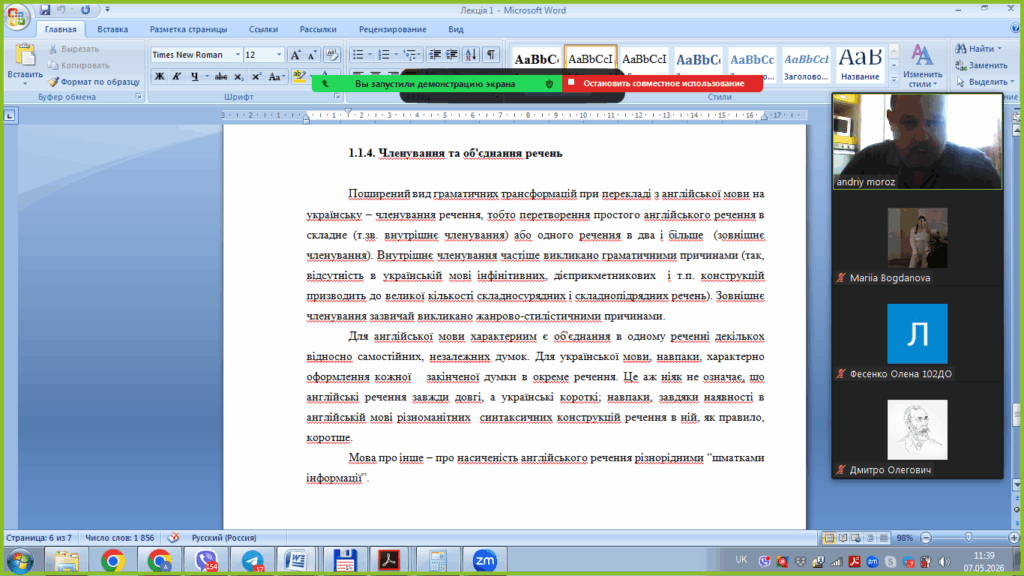
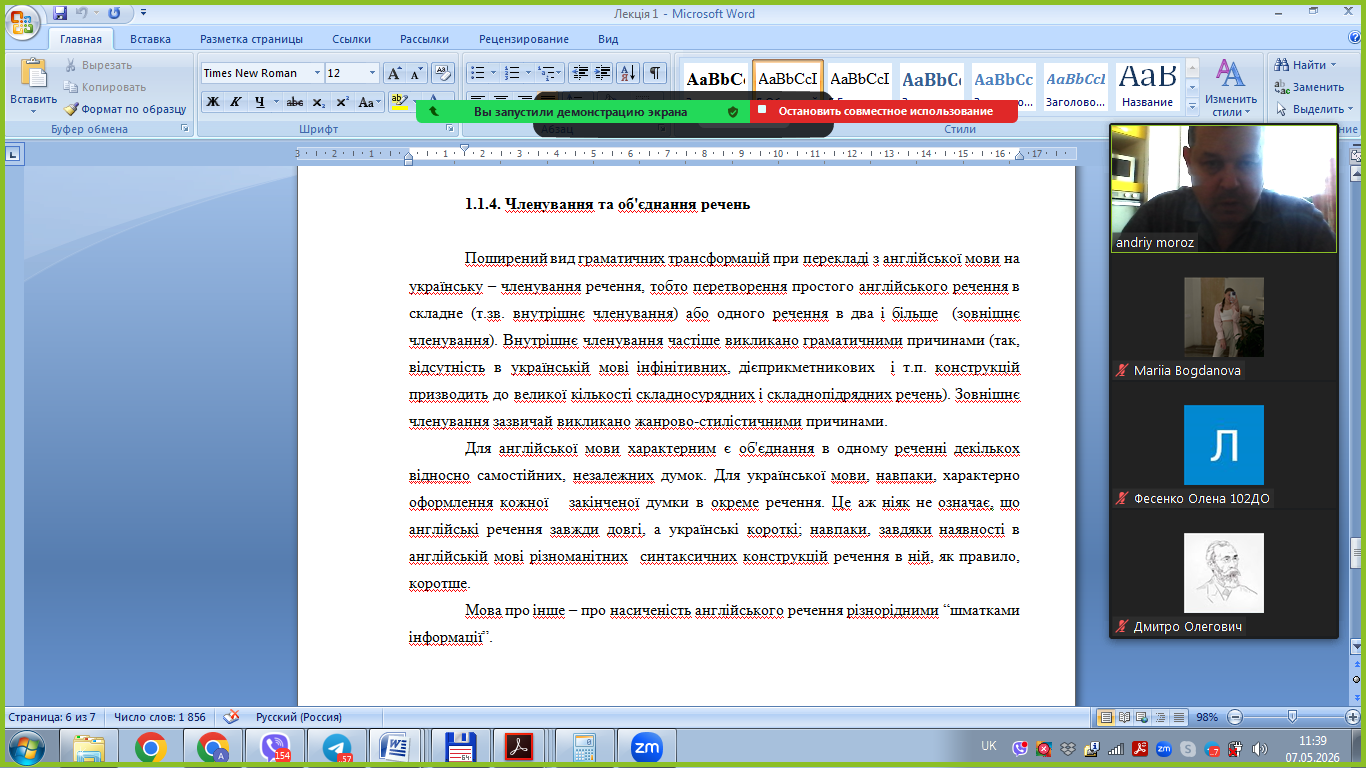
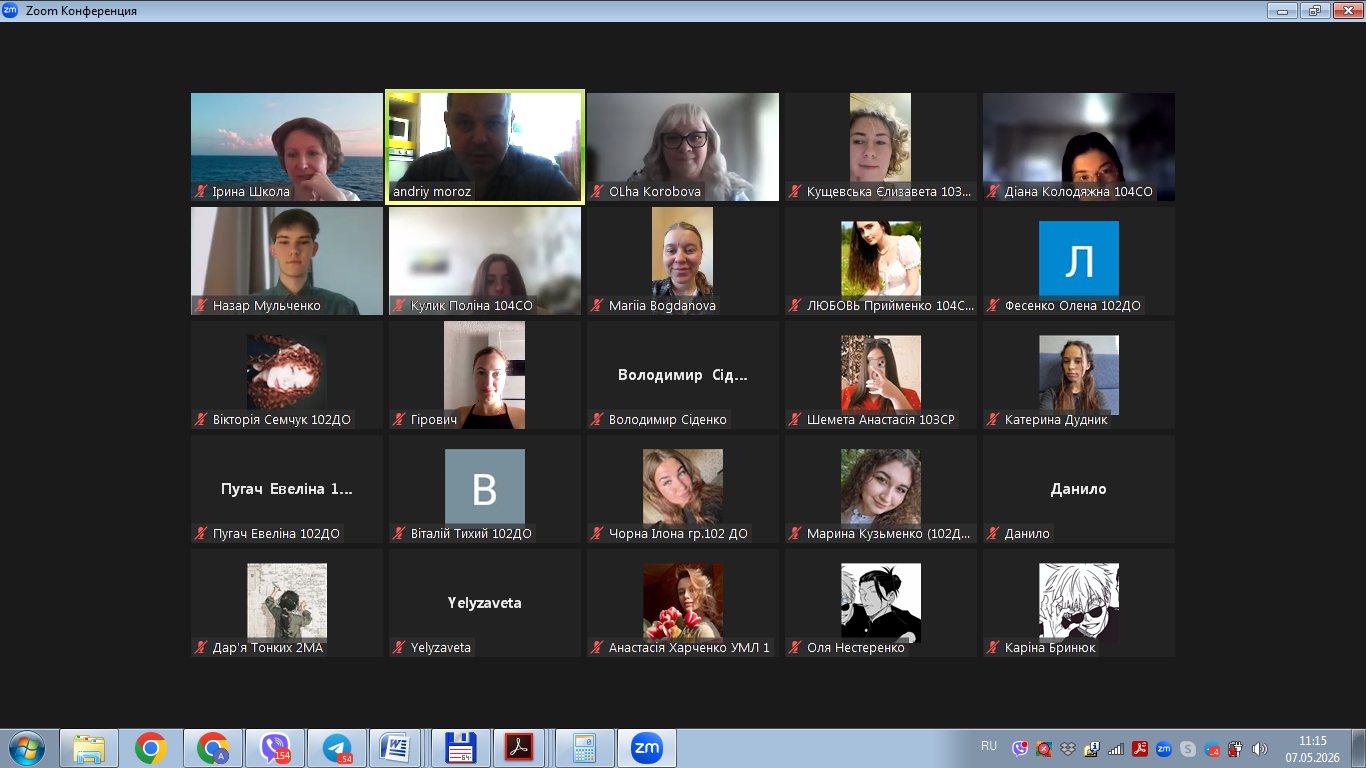
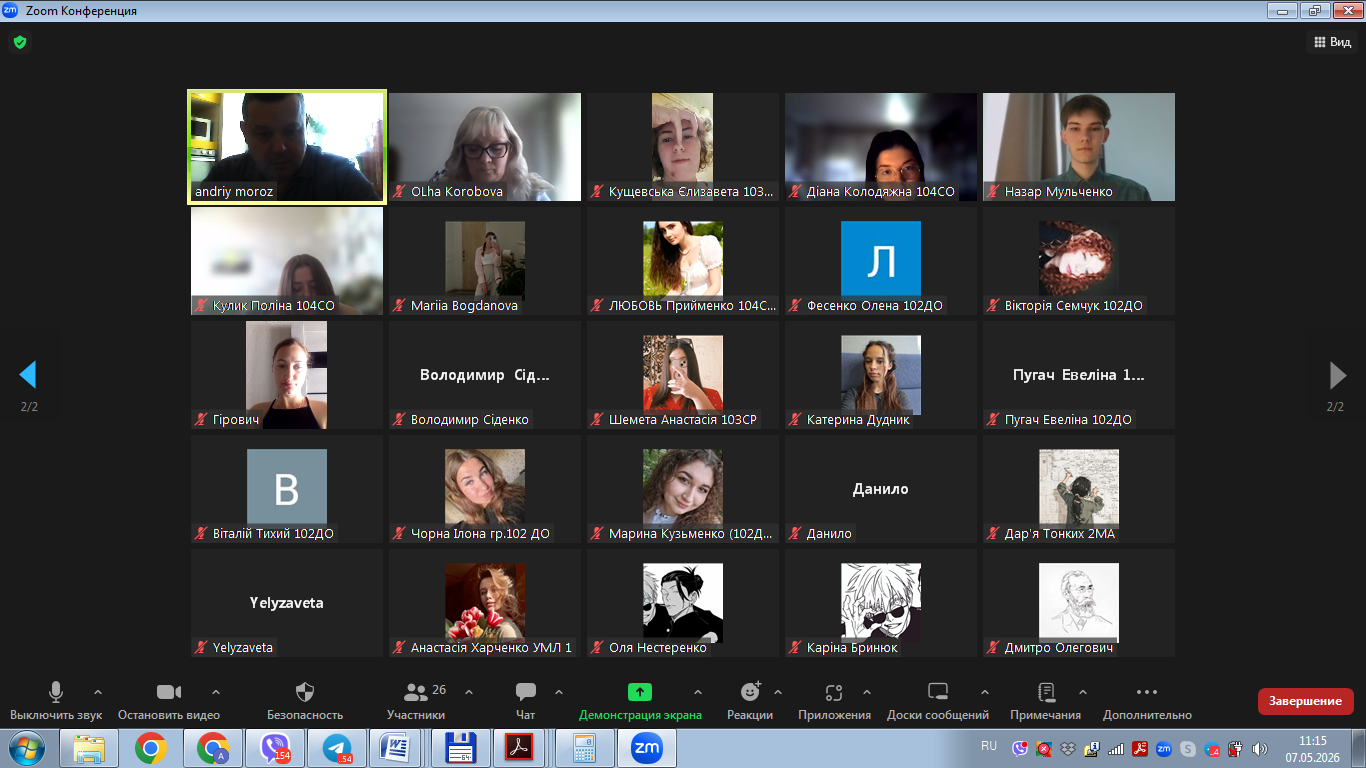
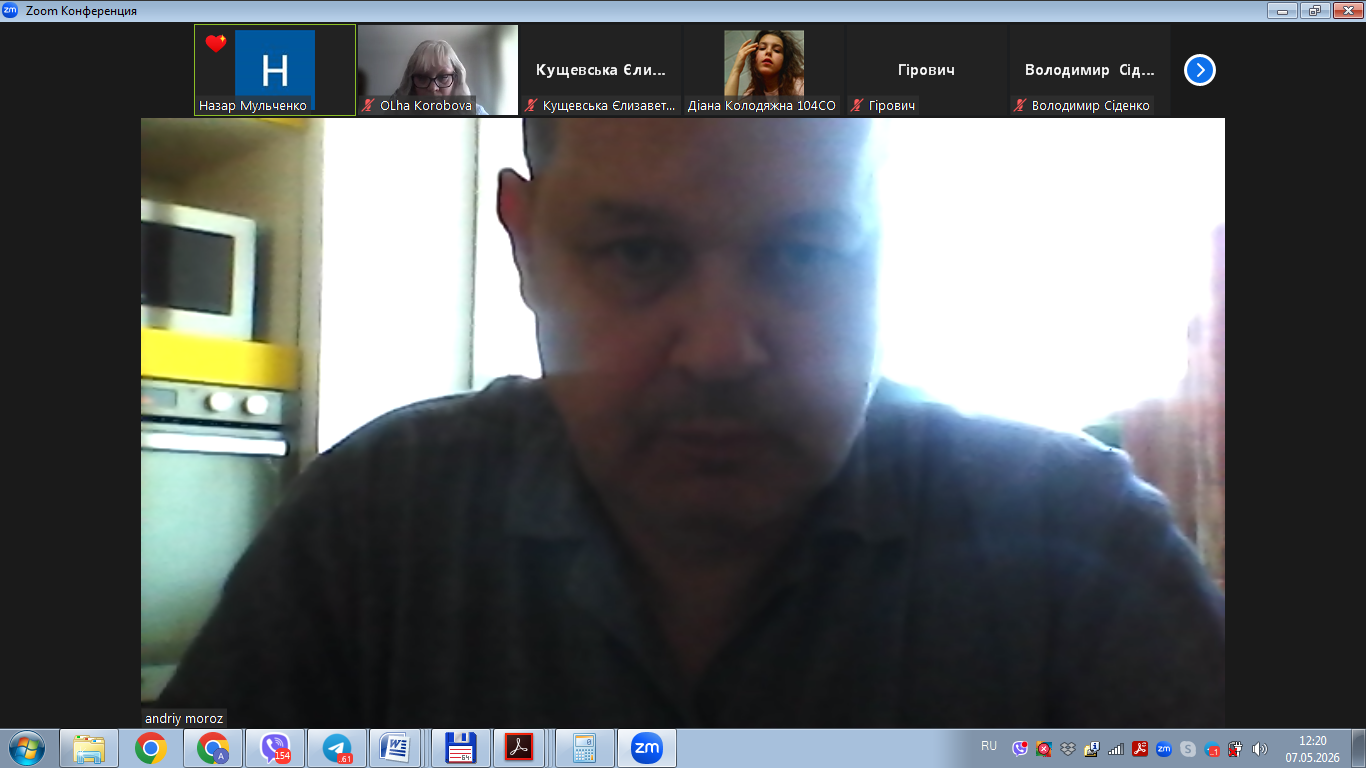
Last week, an open lecture was held at the Department of Foreign Languages and Teaching Methods as part of the work of the Linguistic Student Scientific Club for higher education students of BSPU. The head of the club is Candidate of Philological Sciences, Associate Professor A. Moroz.
The lecture was devoted to the topical topic “Translation transformations, stylistic techniques and lexical difficulties in literary translation”.
During the lesson, the main types of translation transformations were considered, in particular grammatical, lexical, semantic and stylistic. Particular attention was paid to the need to adapt the text to the norms of the target language in order to preserve the content, style and emotional coloring of the original. Students were familiarized with examples of transformations based on works of fiction in English and world literature.
The lecture analyzed such lexical transformations as concretization, generalization, modulation, and compensation. Practical examples demonstrated how a translator can change the structure of an utterance, select culturally conditioned equivalents, or introduce additional elements to preserve the artistic effect. The difficulties of translating idioms, phraseological units, authorial neologisms, and stylistically marked vocabulary were separately considered.
Considerable attention was paid to stylistic techniques in translation, such as preserving metaphors, rhythm, tone, and register of speech. Students analyzed fragments of works by famous English-speaking authors, comparing the original texts with Ukrainian translations.
The lecture was interactive: the candidates actively participated in the discussion, offered their own translation options, and argued for the choice of certain translation solutions. This format contributed to the development of critical thinking, translation intuition, and professional competencies of future philologists.
The lesson conducted within the framework of the linguistic club’s activities showed that translation transformations are not only a technical technique, but also a creative process that requires in-depth knowledge of languages, cultures, and stylistics. The knowledge gained will be useful for students in their further educational and scientific activities, in particular when writing course and qualification papers, as well as in the practice of literary translation.
Presentation of SAFE (Social Awareness for (War) Experiences) for Youth Work
In September, the Leadership School of Berdyansk State Pedagogical University…
9 October 2026
Mediation as a Path to Mutual Understanding
The Leadership School of Berdyansk State Pedagogical University (BSPU) and…
9 October 2026
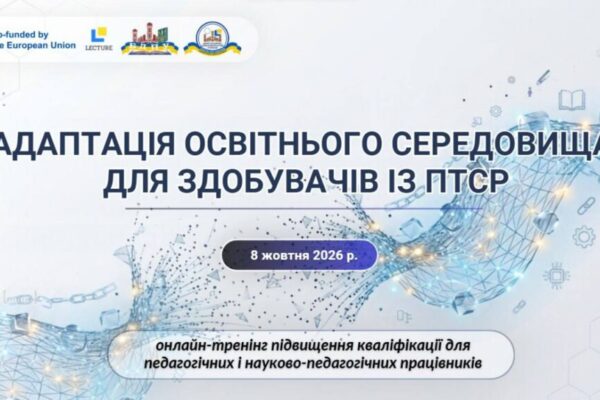
Creating a Safe Learning Environment Together with BDPU: Training on «Adapting Learning for Students with PTSD»
On 8 October 2026, as part of the international Erasmus+…
9 October 2026
Social ranking: what students need to know about the awarding of points
The Student Council of the Faculty of Psychological and Pedagogical…
9 October 2026