
Creating a Safe Learning Environment Together with BDPU: Training on «Adapting Learning for Students with PTSD»
Admin
9 October 2026
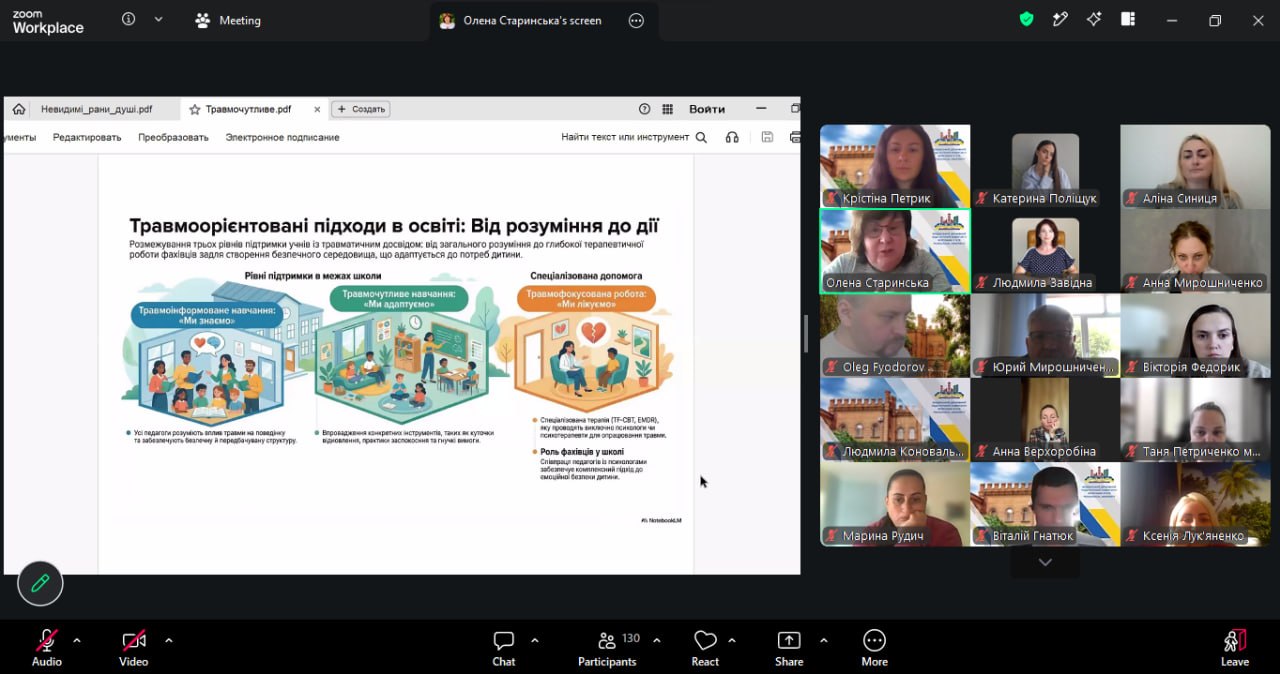
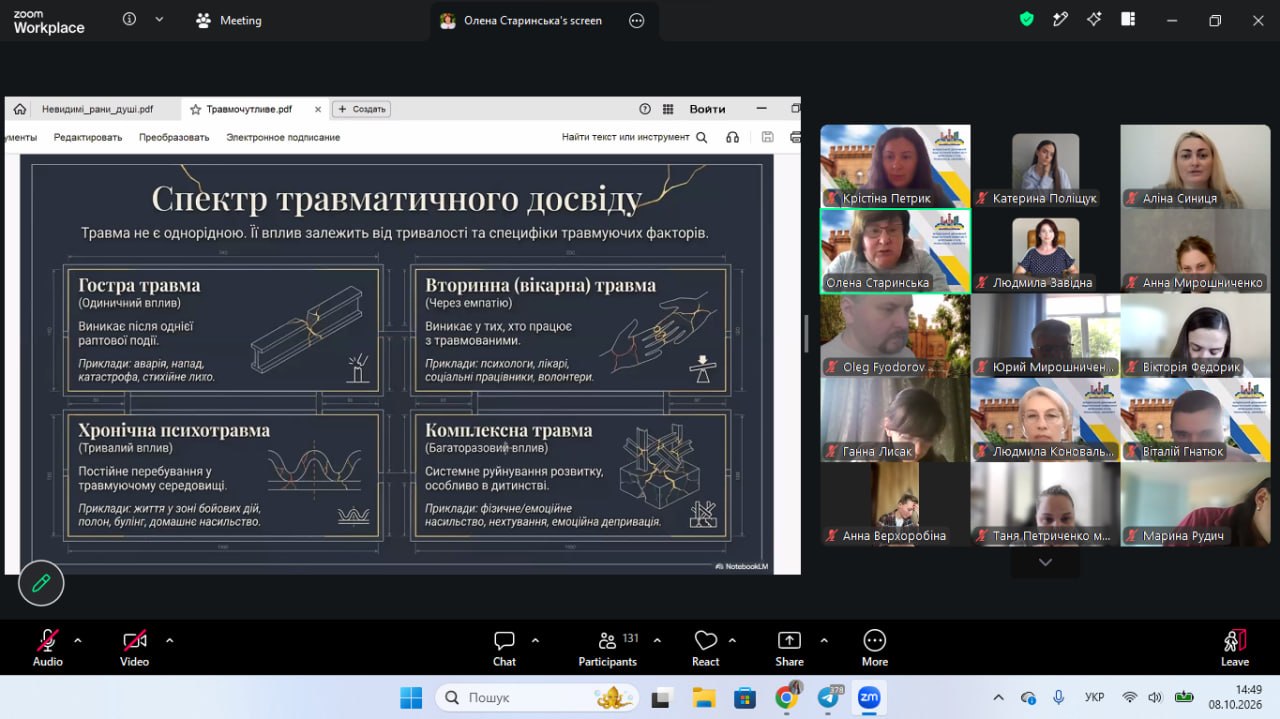
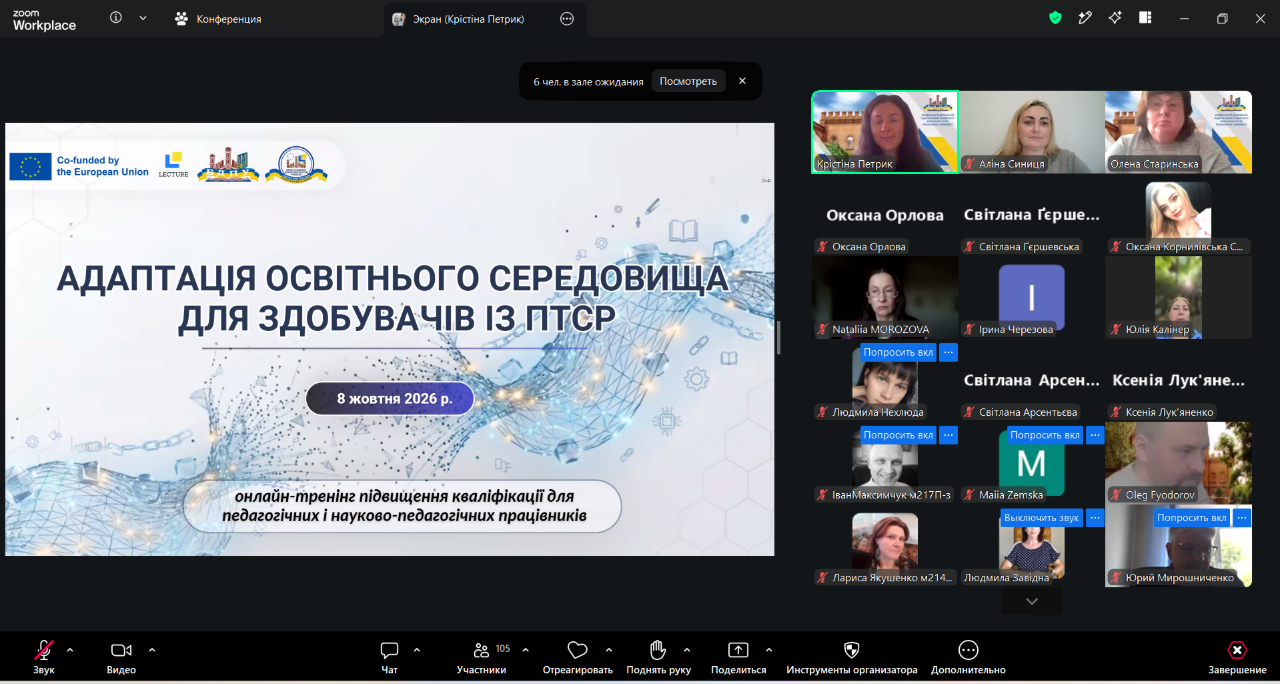
On 8 October 2026, as part of the international Erasmus+ KA2 LECTURE project No. 101179602, coordinated by Olha Hurenko, First Vice-Rector of Berdyansk State Pedagogical University (BDPU), Doctor of Pedagogical Sciences and Professor, an online training session entitled «Adapting the Educational Environment for Students with PTSD» was held at Berdyansk State Pedagogical University.
The training aimed to develop the practical competencies of teaching and academic staff in creating a trauma-sensitive learning environment, adapting the educational process to the current needs of students with traumatic experiences, and fostering constructive teacher–student interactions.
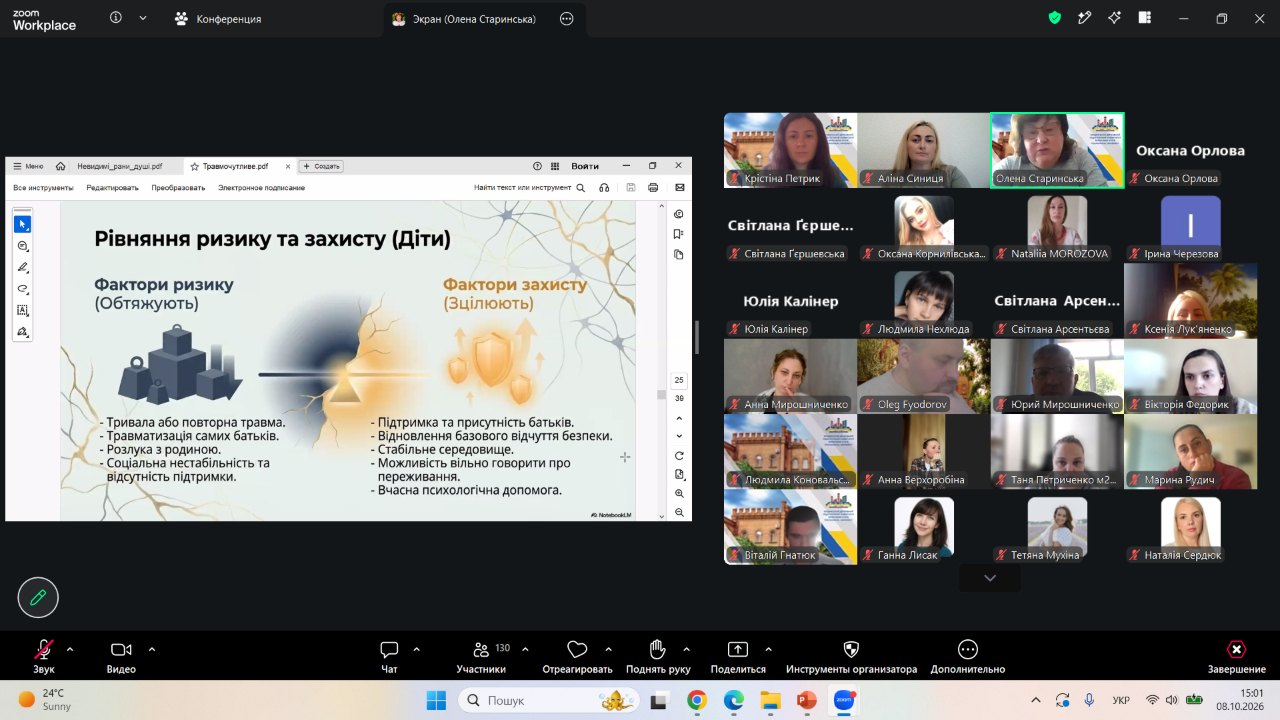
The training was delivered by Olena Starynska, Doctor of Psychological Sciences, Professor, and Head of the Department of Applied Psychology and Speech Therapy. The session was moderated by Kristina Petryk, Candidate of Pedagogical Sciences, Associate Professor at the Department of Pedagogy and Head of the Teacher Competence Development Centre, and Alina Synytsia, Candidate of Pedagogical Sciences, Associate Professor at the Department of Applied Psychology and Speech Therapy and Head of the Competence Centre for Inclusive Education.
The training was structured around the sequence «Understand – Notice – Analyse – Adapt – Support», enabling participants to connect theoretical knowledge with practical tools for their professional practice.
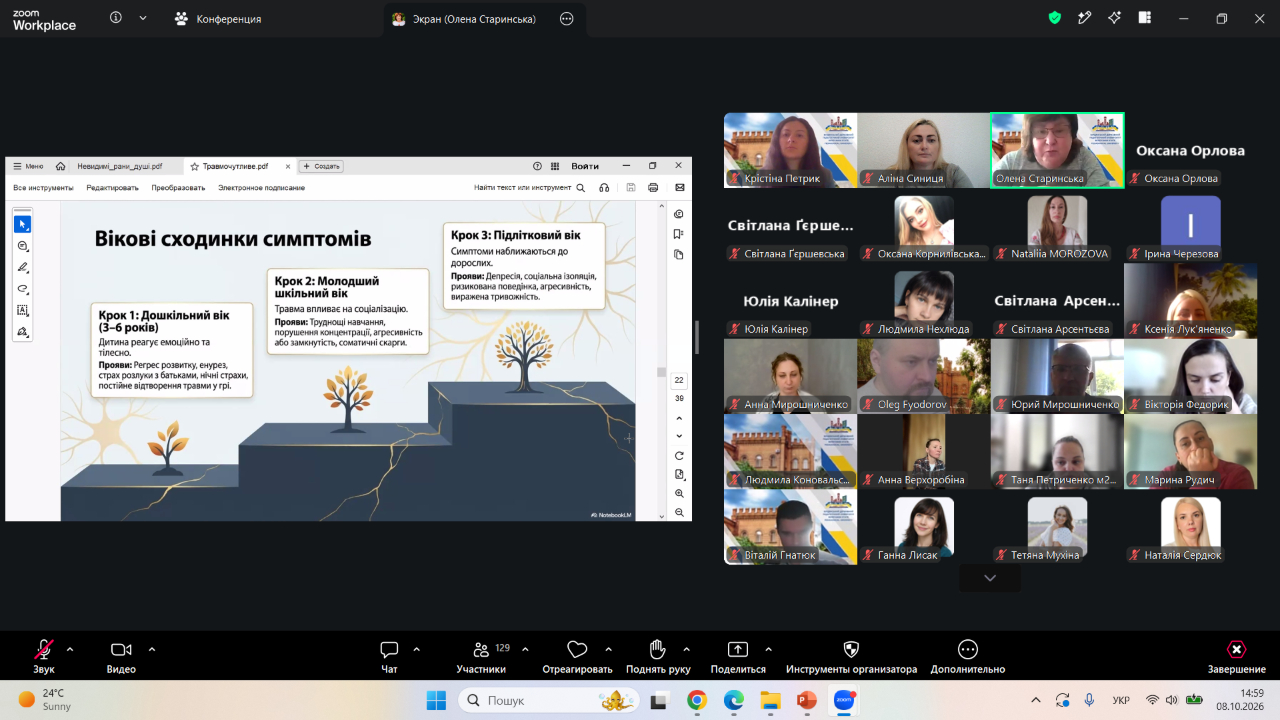
An important theoretical component was the mini-lecture «Symptoms of PTSD», during which participants refreshed their knowledge of the main manifestations of post-traumatic stress disorder (PTSD) and their potential impact on learning. Particular attention was paid to how traumatic experiences may affect attention, emotional regulation, behavioural responses, social interactions, and the ability to engage in learning activities. This approach helps educators avoid oversimplified interpretations of students’ behaviour and instead consider it in the context of their current emotional state and individual needs.
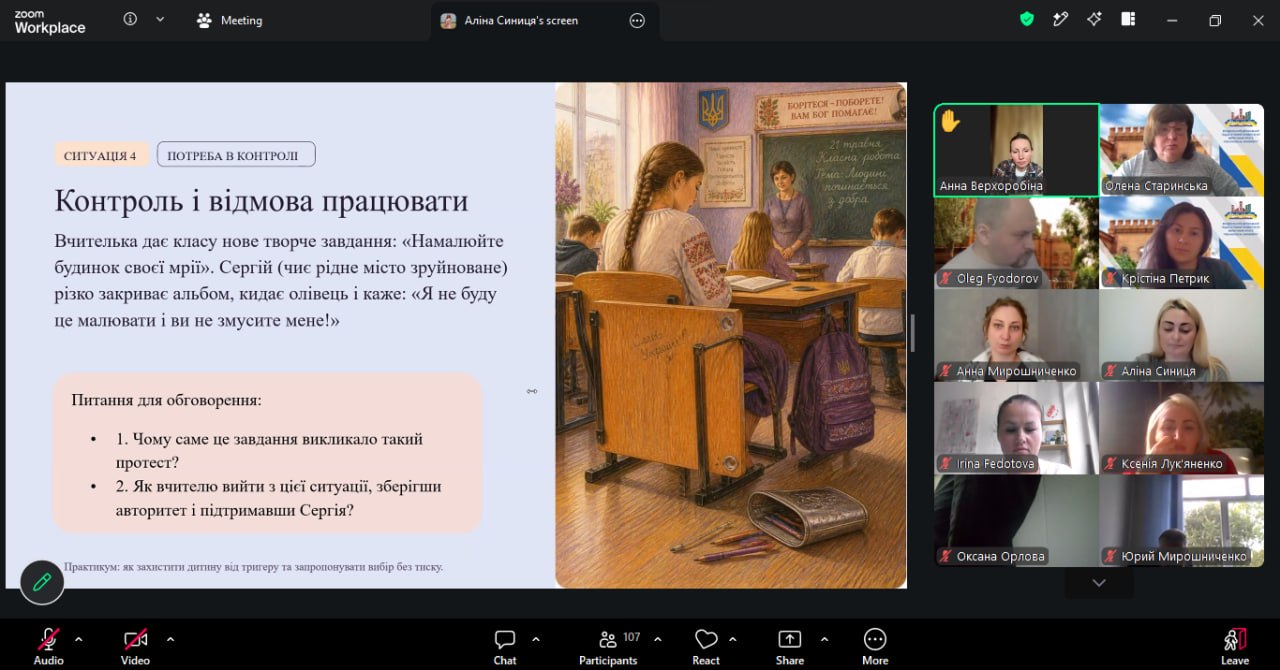
The theoretical component was followed by the practical workshop «Behaviour Is a Message». Participants explored educational scenarios, examining behavioural responses not merely as disciplinary issues or a lack of motivation to learn, but as possible ways of communicating a need for safety, predictability, support, or reduced demands. This activity encouraged a professional approach in which educators first ask, «What might be behind this behaviour?» and only then determine an appropriate educational response.
A separate training module focused on working with the parents of students with PTSD. Participants explored the principles of partnership-based communication, discussed the boundaries of educators’ professional responsibilities, and considered ways to share observations about a child’s well-being and learning behaviour. They also examined the importance of coordinating supportive strategies among families, educators, and other professionals. The training emphasised that effective cooperation with parents should not be based on judgement or assigning blame, but on jointly identifying the student’s needs and agreeing on realistic ways to provide support.
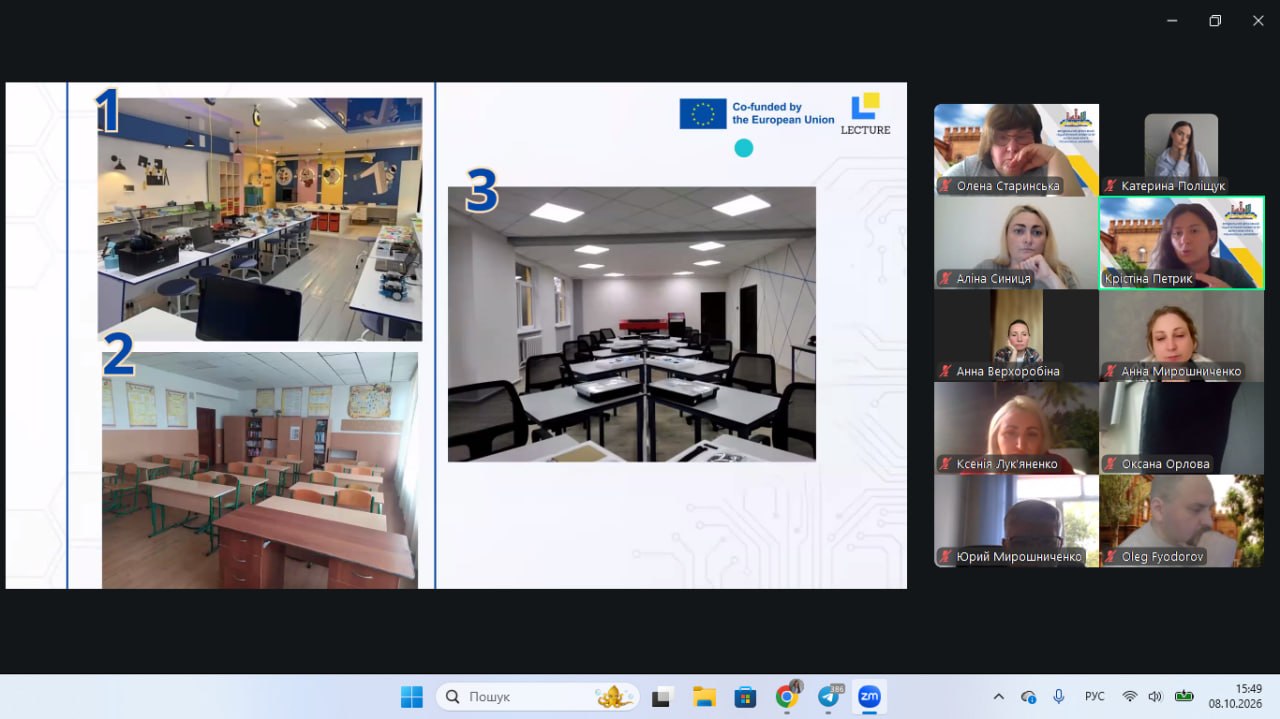
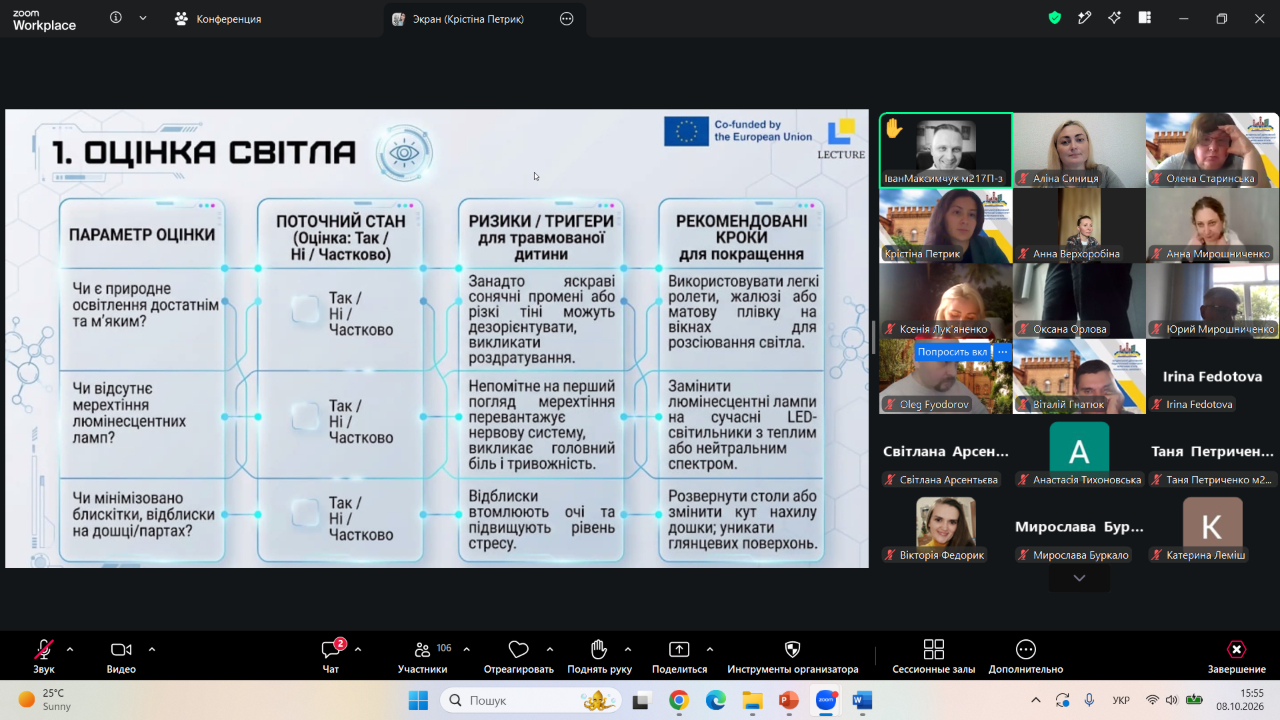
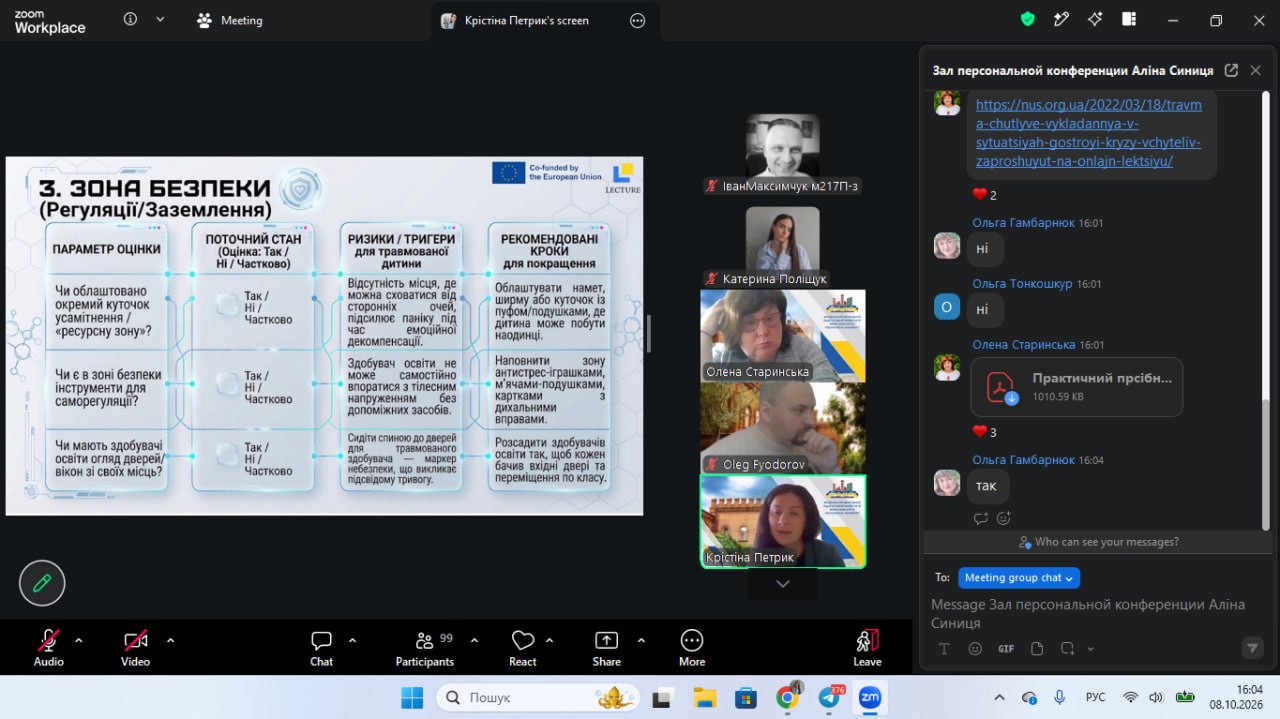
The practical work continued with a «Classroom Audit», a tool for systematically analysing the learning environment in terms of safety, predictability, and accessibility for students with traumatic experiences. Using a checklist, participants examined the organisation of physical space, informational and sensory demands, the clarity of rules and expectations, opportunities for choice and short breaks, teacher communication, the organisation of learning activities, and potential triggers. This audit enables educators to move beyond the general statement that «a safe environment is needed» towards identifying specific barriers and possible changes in their own educational practice.
During the training, participants also explored the impact of traumatic experiences on learning, the principles of creating a safe and predictable educational environment, and practical approaches to adapting learning tasks, pace, workload, communication, and assessment. Particular attention was given to analysing educational case studies, identifying students’ strengths and resources, and developing effective cooperation with parents and support teams.
The practical component enabled participants to progress from recognising possible manifestations of traumatic experiences to planning concrete changes in teacher–student interactions and the learning environment. By combining a mini-lecture, behavioural scenario analysis, parent-related case studies, and an environmental audit, the training provided a comprehensive understanding of the educator’s role in creating conditions that support both learning and psychological safety.
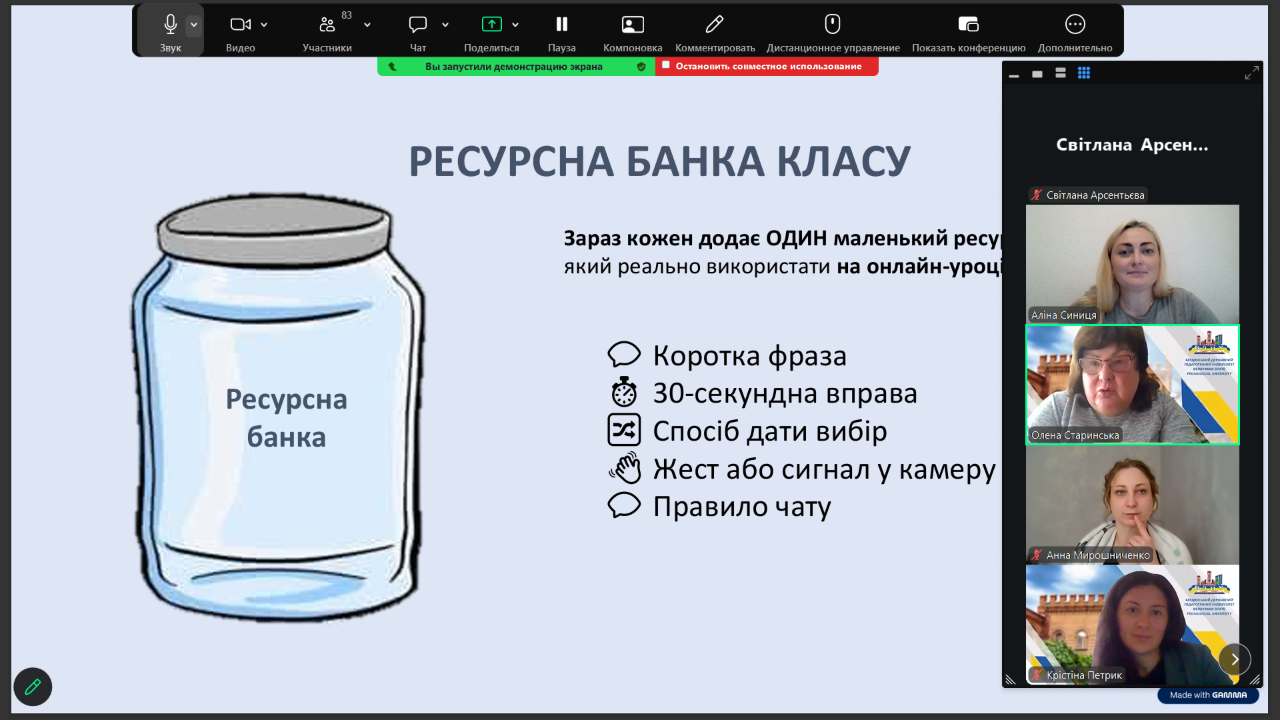
The session concluded on a particularly warm and reflective note with the «Resource Jar» activity. Participants identified the knowledge, ideas, practical tools, and personal resources they would take away from the training, what they could draw on in their professional practice, and which changes they were ready to implement in the near future. This reflection helped participants consolidate their learning while focusing on their existing strengths and opportunities for further professional development.
The practical focus of the training enabled participants not only to deepen their theoretical knowledge but also to develop concrete solutions for improving their own educational environments. An important outcome was the recognition that a trauma-sensitive approach is not limited to individual techniques for working with a student. Rather, it requires a systematic approach to organising the educational process, maintaining supportive professional communication, collaborating with families, and continuously assessing the learning environment.
Concluding the session with reflection and the identification of an individual next step reinforced its central message: creating a safe and supportive learning environment begins with educators’ willingness to recognise students’ needs, understand the reasons behind their behaviour, identify barriers, collaborate with families, and respond with professionalism and sensitivity.
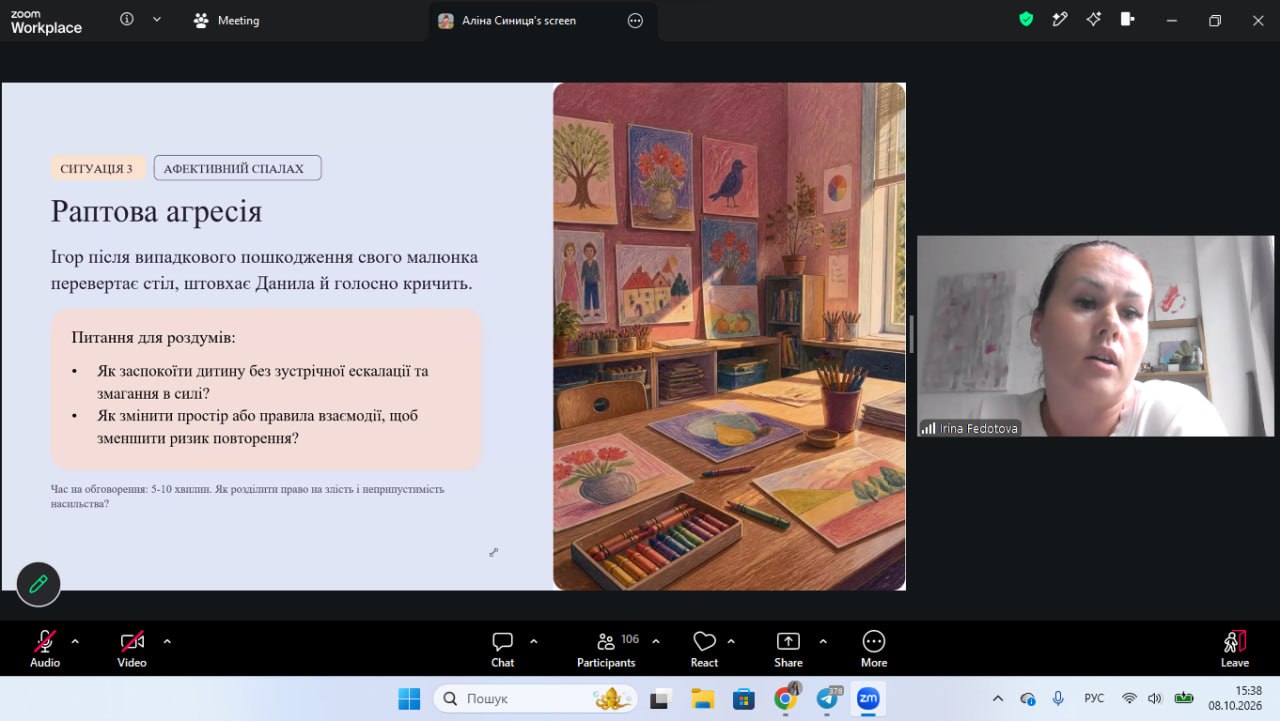
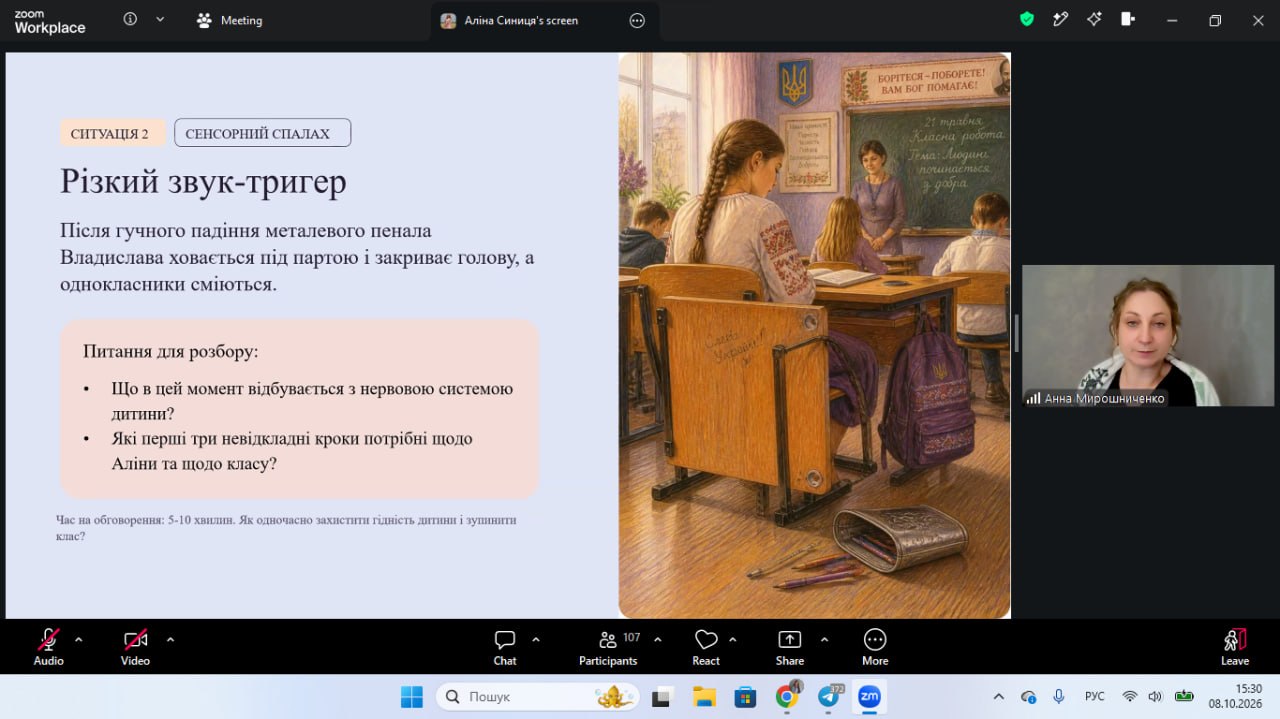
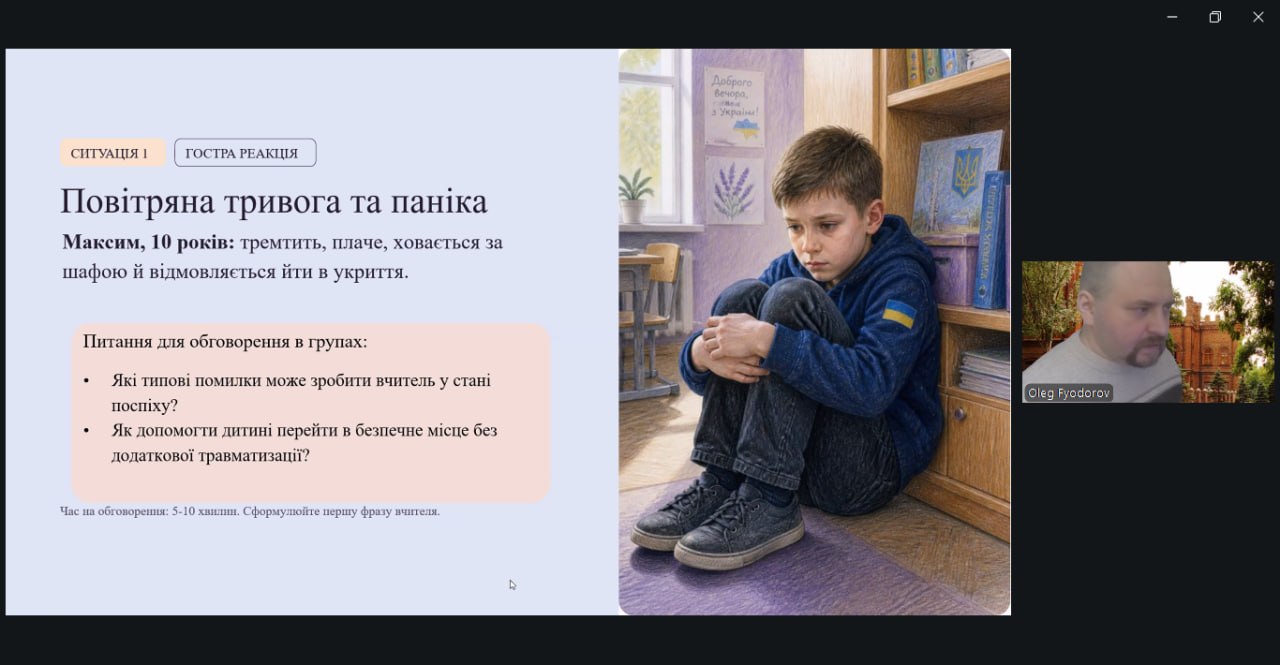
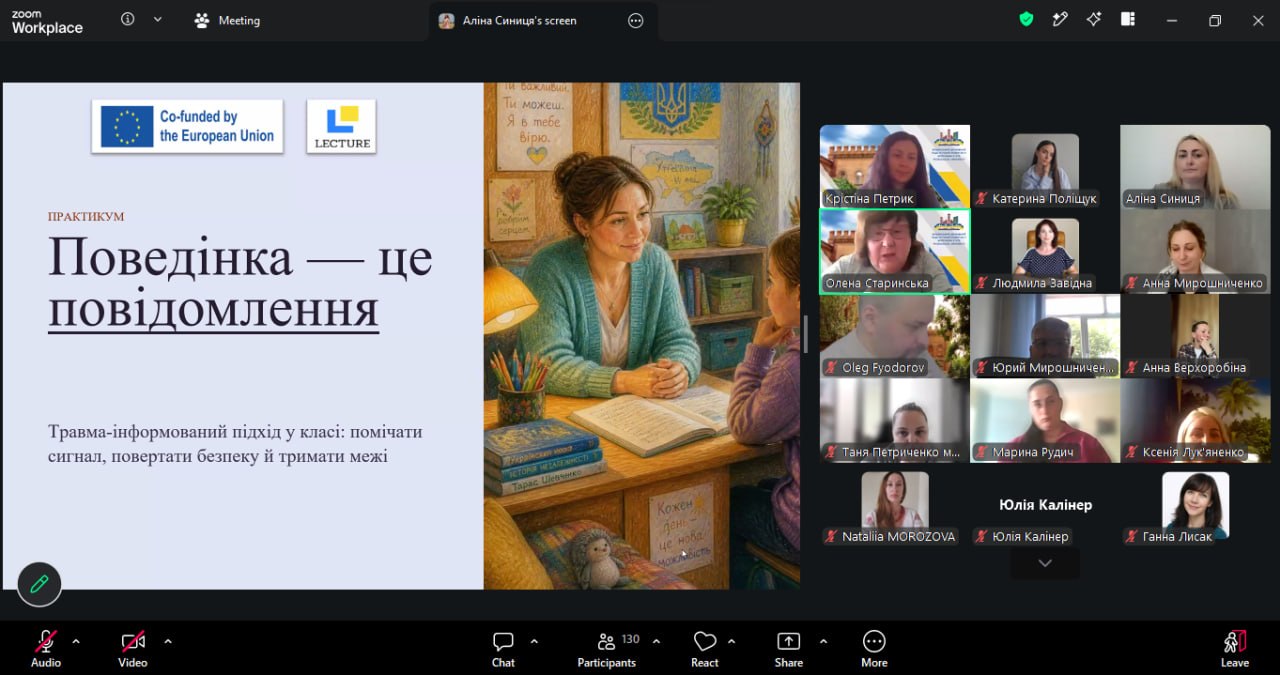
Based on materials provided by the Teacher Competence Development Centre
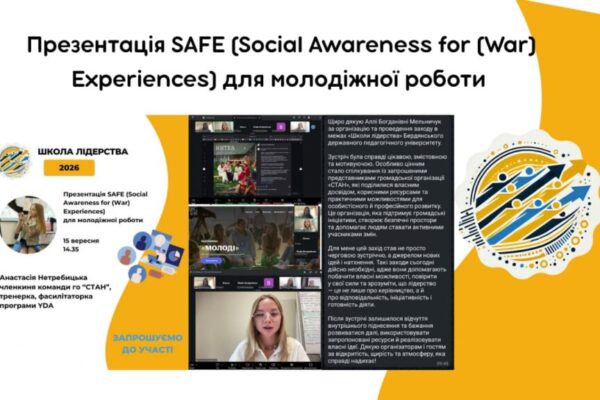
Presentation of SAFE (Social Awareness for (War) Experiences) for Youth Work
In September, the Leadership School of Berdyansk State Pedagogical University…
9 October 2026
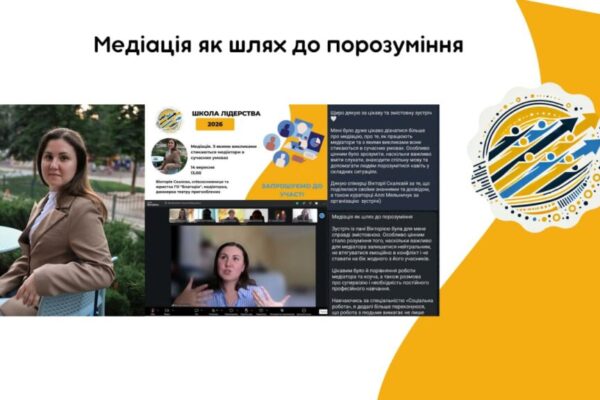
Mediation as a Path to Mutual Understanding
The Leadership School of Berdyansk State Pedagogical University (BSPU) and…
9 October 2026

Social ranking: what students need to know about the awarding of points
The Student Council of the Faculty of Psychological and Pedagogical…
9 October 2026
Digital knowledge space — a virtual tour of the BSPU library for first-year students of the Faculty of Social Sciences and Humanities
On 28 September 2026, an interesting event took place for…
9 October 2026