Meeting of the Student Linguistic Club: Students Explored How Ukrainian Realities “Sound” in English
Admin
6 December 2025
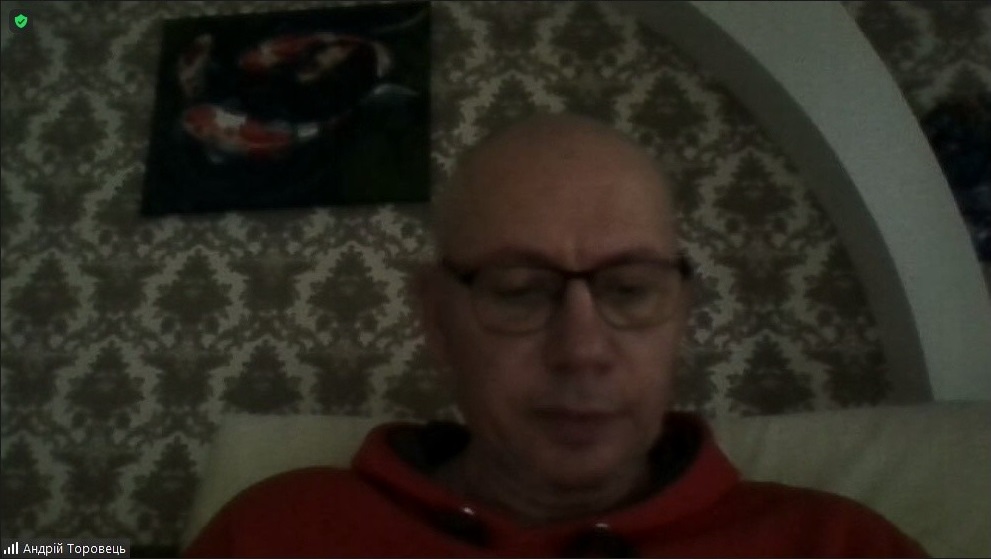
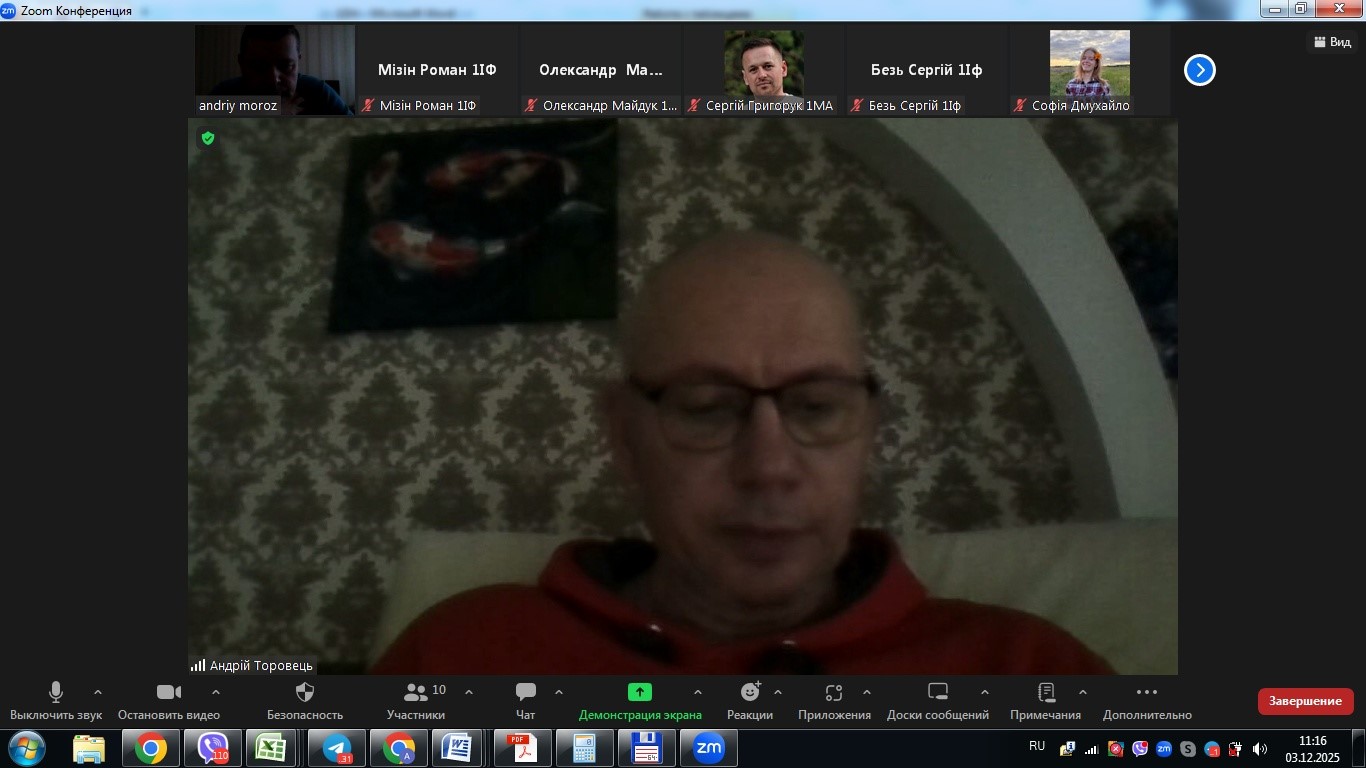
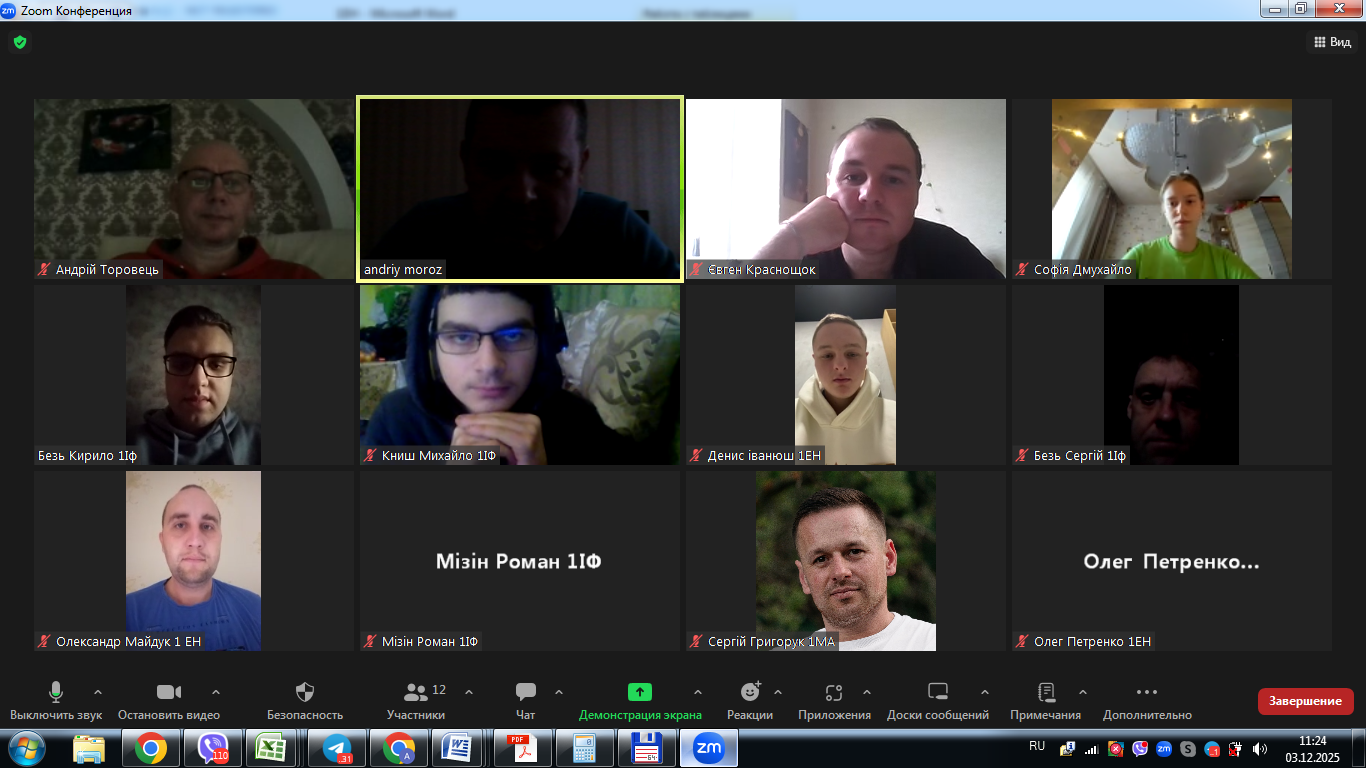
On December 3, another meeting of the student club “Foreign Languages in the Modern World” took place, this time dedicated to one of the most relevant topics in contemporary linguistics—translating Ukrainian cultural realia into English. The lecture and practical session were conducted by the club leader, Candidate of Philological Sciences and Associate Professor Andrii Anatoliiovych Moroz, who has spent many years researching issues of intercultural communication and translation strategies.
The event brought together active club members—students of different years who are already interested in linguistics, translation, and cultural studies. From the very beginning, the lecturer immersed participants in the topic, emphasizing that realia are words or expressions that denote items or phenomena unique to a specific culture. This is why translating them is one of the most challenging tasks for translators: English often simply lacks a direct equivalent for many Ukrainian historical, ethnographic, or everyday concepts.
The theoretical part of the lecture included an overview of the main approaches to classifying realia in modern translation studies. Andrii Anatoliiovych paid special attention to the works of Roksoliana Petrivna Zorivchak, who laid the foundation for the systematic study of Ukrainian realia, as well as to the research of other Ukrainian scholars working in the field of linguocultural analysis. The lecturer explained in detail how categorizing realia into everyday, socio-political, ethnographic, historical, or gastronomic helps translators choose the optimal strategy for rendering them in English.
After the theoretical segment, students moved on to analyzing numerous practical examples selected from literary works, journalism, modern media, film discourse, and online communication. They examined such Ukrainian realia as borshch, kozatsvo (Cossackdom), sotnyk, vyshyvanka, hromada, khata, toloka, varenyky, as well as new socio-political realia that have emerged since 2014. Students explored various translation methods, including transcription, calquing, descriptive translation, analogy, compensation, and mixed strategies.
A particularly lively discussion arose around whether Ukrainian realia should be adapted for English-speaking readers or, on the contrary, preserved in their authentic form. Students provided examples from English translations of Ukrainian literature, where the same cultural element could have several translation variants depending on the style and intention of the text.
Participants noted that thanks to the combination of solid theoretical material and vivid practical examples, the lecture was easy to follow, dynamic, and extremely useful. The interactive discussion format allowed students not only to listen but also to actively engage in analyzing translation decisions, comparing options, and justifying their own choices.
Summing up, Andrii Anatoliiovych emphasized that the ability to translate realia is not just a technical skill but an essential component of intercultural communication, since it is through them that foreigners discover the uniqueness of Ukrainian culture. The students, in turn, expressed gratitude for the opportunity to work with material of such depth, noting that meetings like this inspire further research in translation studies.
The event once again confirmed that the work of the student club not only complements the educational process but also creates a supportive space for developing academic interests, professional competencies, and creative thinking. Upcoming meetings promise to be just as informative, and the student community is already looking forward to new sessions.
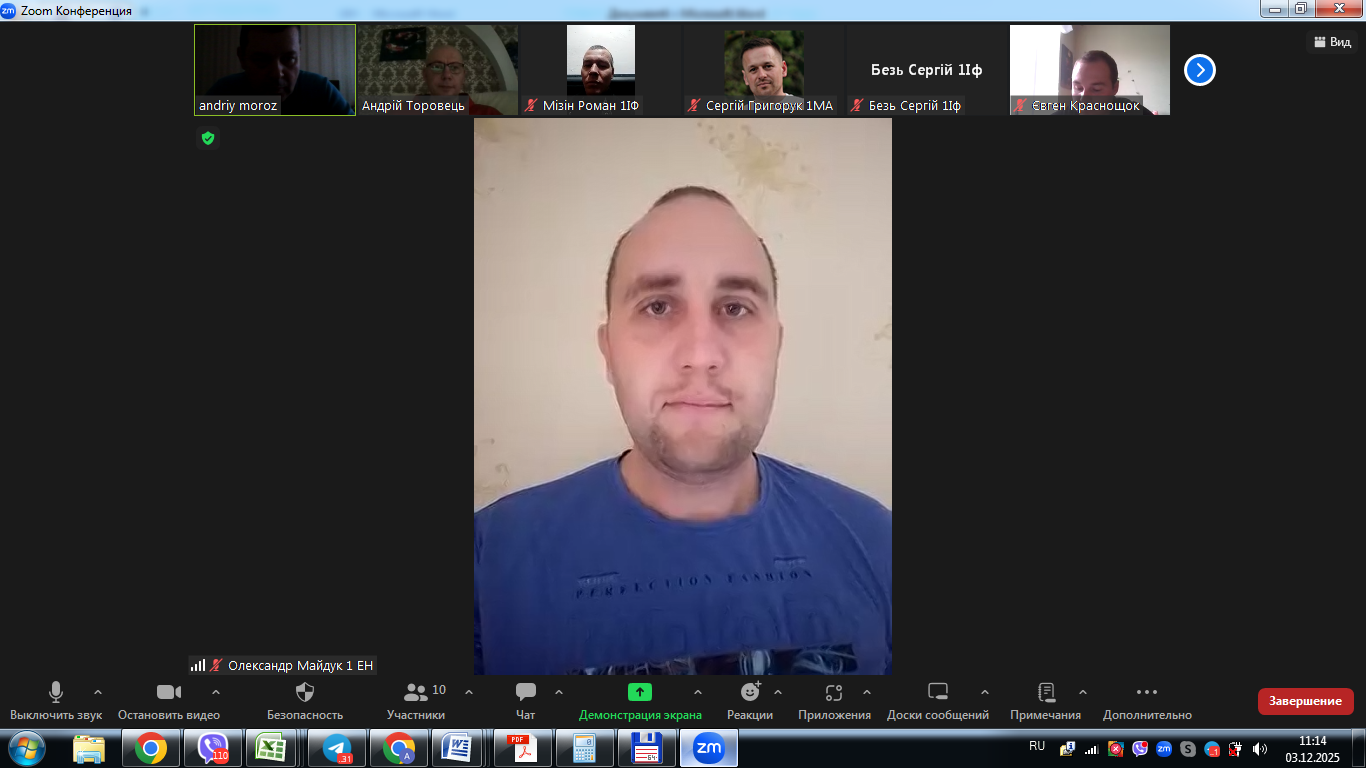
Based on materials provided by the Department of Foreign Languages and Teaching Methodology
Physical Education in the New Ukrainian School (NUS): BSPU Faculty and Students Join the Dialogue on the Future of Specialized Senior Secondary Education
On October 22, 2026, faculty members from the Department of…
23 October 2026
Student of the Year 2026: BSPU Honors Student Leaders and Activists
On October 20, 2026, the "Student of the Year 2026"…
21 October 2026
“Student Navigator”: How to Navigate the University’s Digital Space
On October 16, the Student Council of Berdyansk State Pedagogical…
21 October 2026
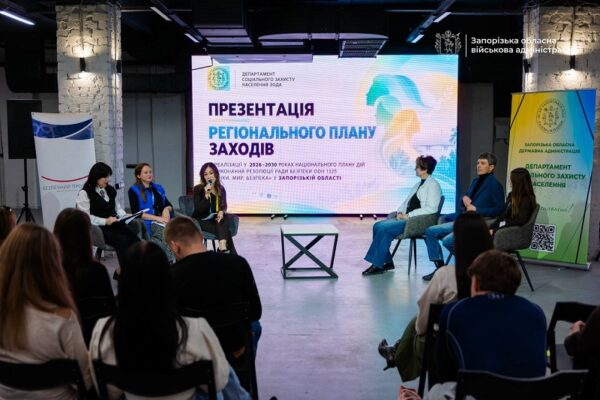
The Voice of Youth Matters: BDPU Student Council Joins Discussion of the “Women, Peace and Security” Action Plan
On October 15, a presentation of the regional “Women, Peace…
21 October 2026