
Russian Propaganda vs. the Cognitive Resilience of Ukrainians: Guest Lecture by Hanna Vorobiova at BSPU
Admin
19 November 2026
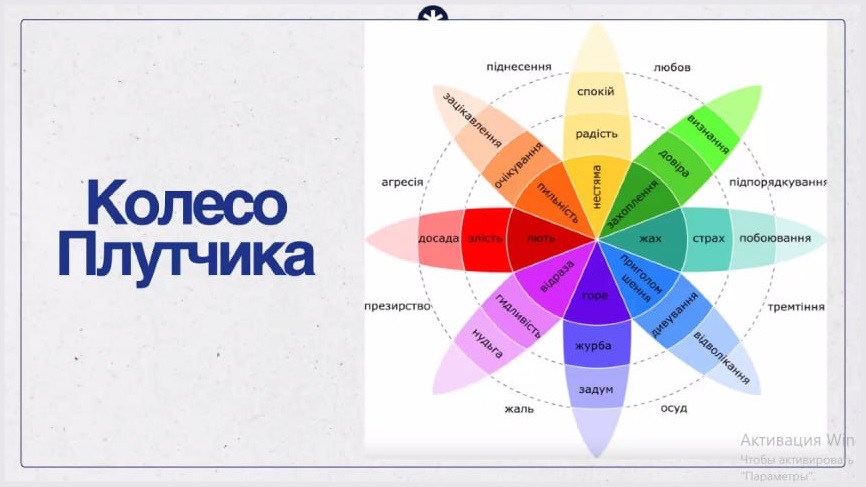
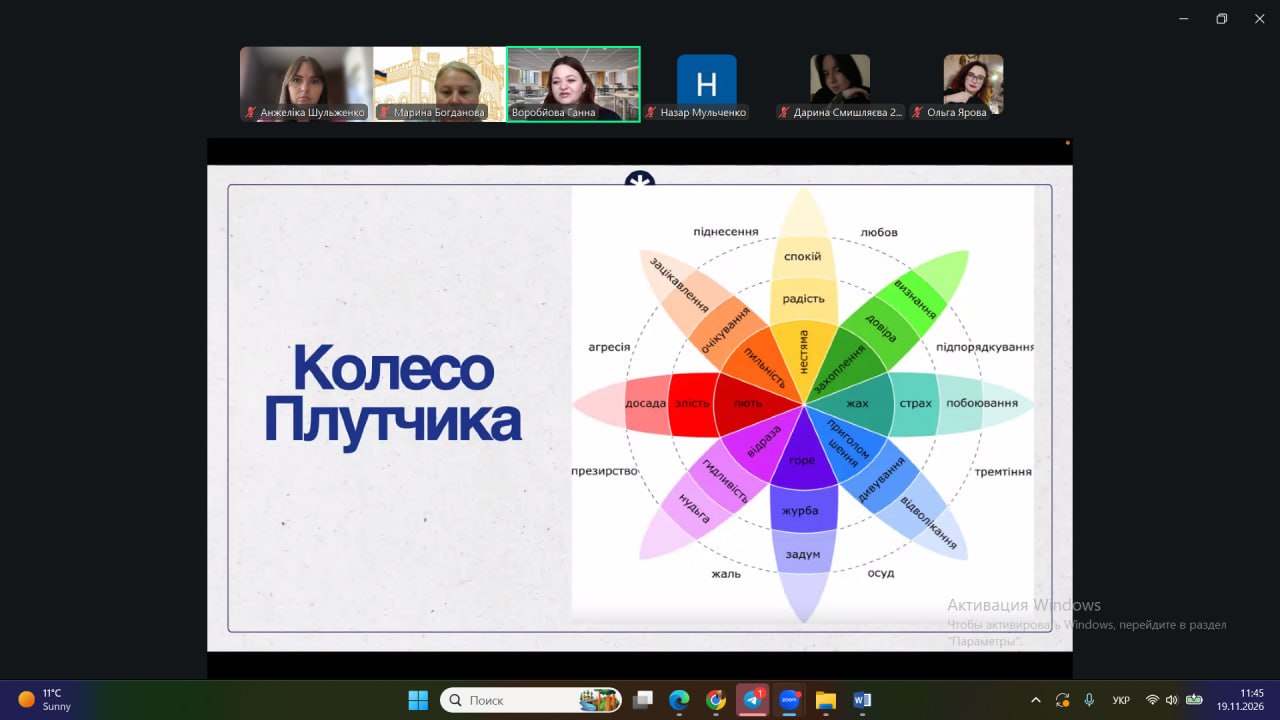
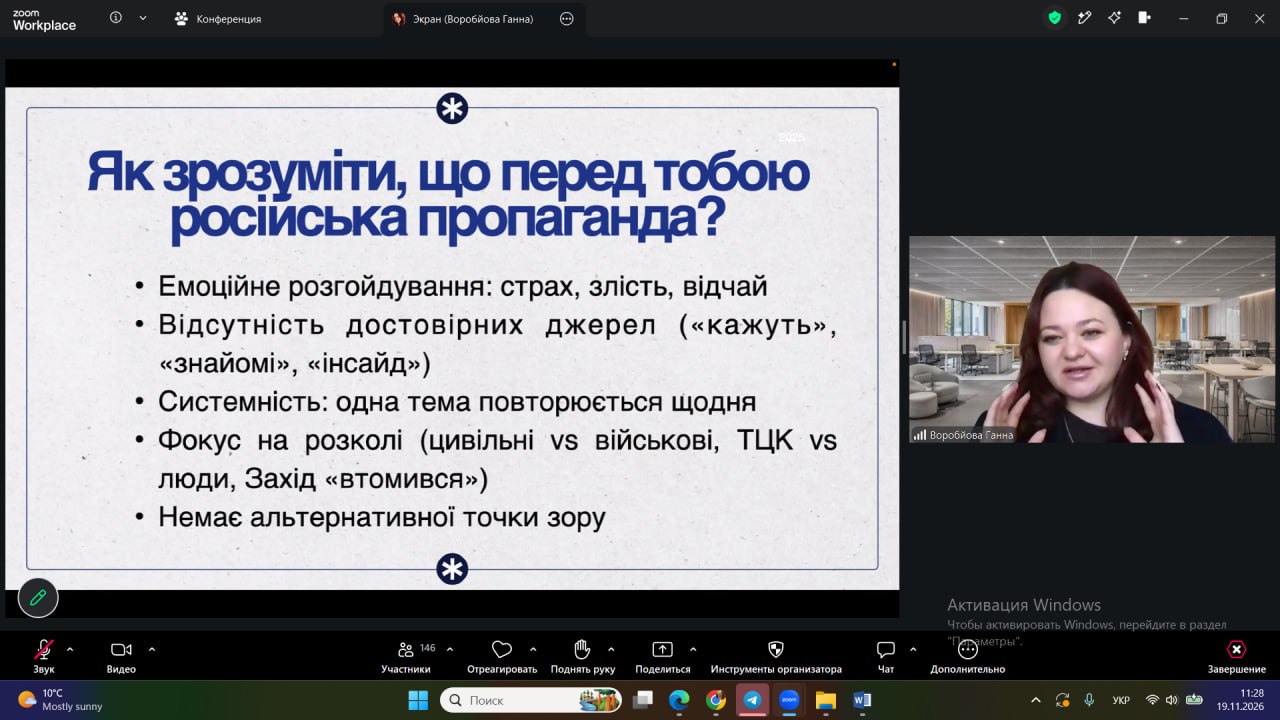
On November 19, 2026, the Faculty of Social Sciences and Humanities at Berdiansk State Pedagogical University (BSPU) hosted a guest lecture titled “Russian Propaganda and the Cognitive Resilience of Ukrainians: Who Is Targeting Whom, and by What Methods?” The lecture was organized at the initiative of the Department of Ukrainian Language and Journalism. The guest speaker was Hanna Vorobiova — a Candidate of Political Sciences, project editor at Forbes Ukraine, and co-founder of the “Critical Thinking Academy”. The event was moderated by Anzhelika Shulzhenko and Nataliia Rula, both Associate Professors in the department and Candidates of Philological Sciences.
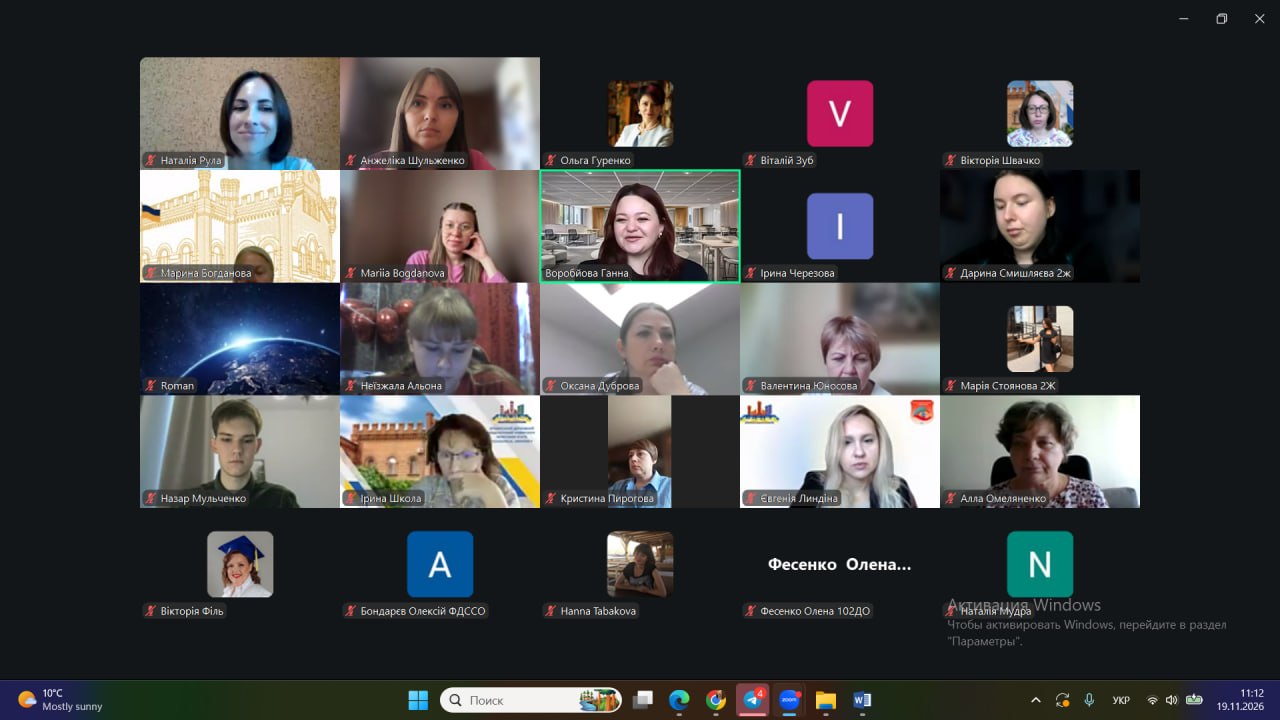
The event brought together approximately 150 participants, including faculty members and students from various academic programs at BSPU, as well as guests from Zaporizhzhia National University. Such a broad audience underscored the relevance of the topic and the university community’s keen interest in issues of information security and critical thinking.
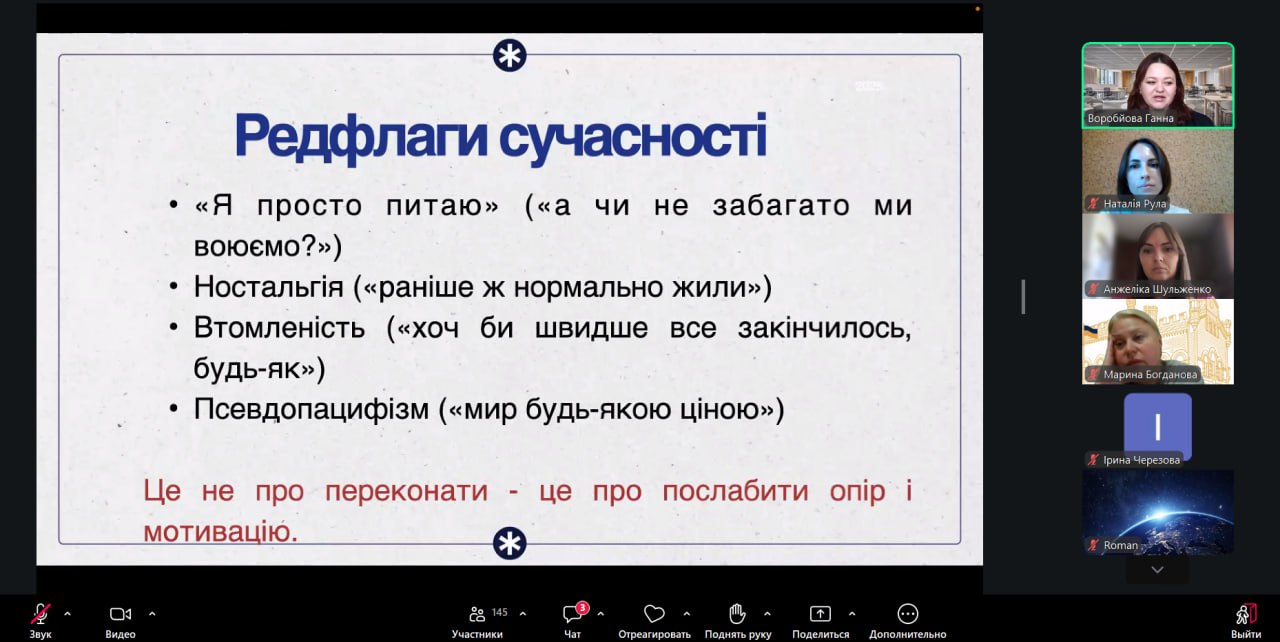
“Victory or defeat in an information war takes place in people’s minds” — this premise, drawn from the work of Peter Pomerantsev, served as the starting point for a discussion on the impact of Russian propaganda on Ukrainian society. Amidst constant information pressure, critical thinking acts as a form of “cognitive armor”, helping individuals recognize manipulation, counter disinformation, and maintain the ability to evaluate events independently. During a guest lecture, Hanna Vorobiova highlighted the scale of Russian disinformation activities. According to the speaker, the adversary has already executed over 800 disinformation projects. The challenge lies not only in the sheer volume of false information but also in the extent to which the audience exercises critical thinking when consuming it.
Participants also examined the methods Ukrainians use to verify information. Key approaches include relying on personal intuition and experience, as well as cross-referencing reports from multiple sources. The speaker cited a figure that underscores the gravity of the issue: data indicates that 40% of Ukrainians never verify the authenticity of information, while 59% remain vulnerable to it.
The discussion covered the distinction between propaganda and disinformation, tools for countering them, and the concept of cognitive resilience within the context of Ukrainian society. Hanna Vorobiova emphasized that propaganda does not create a new reality; rather, it distorts the existing one, thereby shaping public opinion.
The theoretical component was complemented by a practical analysis. Participants reviewed specific examples of hostile propaganda, the mechanisms behind its creation and dissemination, and the reasons why manipulative messages resonate with audiences. Particular emphasis was placed on how to respond to planted information — or “information injections” — without inadvertently becoming a tool for their further spread. At the end of the meeting, participants had the opportunity to ask questions and express their gratitude to the guest speaker.
The lecture served as an occasion not only to deepen knowledge about tools of information influence but also to re-evaluate one’s own information consumption habits. After all, in the context of an information war, critical thinking and a responsible approach to the dissemination of messages are fundamental components of every Ukrainian’s cognitive resilience.
Mariia S.,
Higher Education Student, Major C7: Journalism
TheArtofAcademicIntegrity
An educational and awareness-raising event entitled “The Art of Academic…
19 November 2026
Modern Digital Technologies in Science Education: A Guest Lecture for Master’s Students
On 18 November 2026, a guest lecture was held for…
19 November 2026

Online Initiation of First-Year Students of FFMKTO-2026
Despite the kilometers and different cities, the energy of student…
19 November 2026
Academic Dialogue for the Future: Berdyansk State Pedagogical University Discusses Strategic Priorities for the Development of the Economy, Business and Education
On 13 November 2026, Berdyansk State Pedagogical University (BSPU) became…
18 November 2026