
Scientific “Fails”: How Mistakes Turn into Discoveries

Admin
14 May 2026
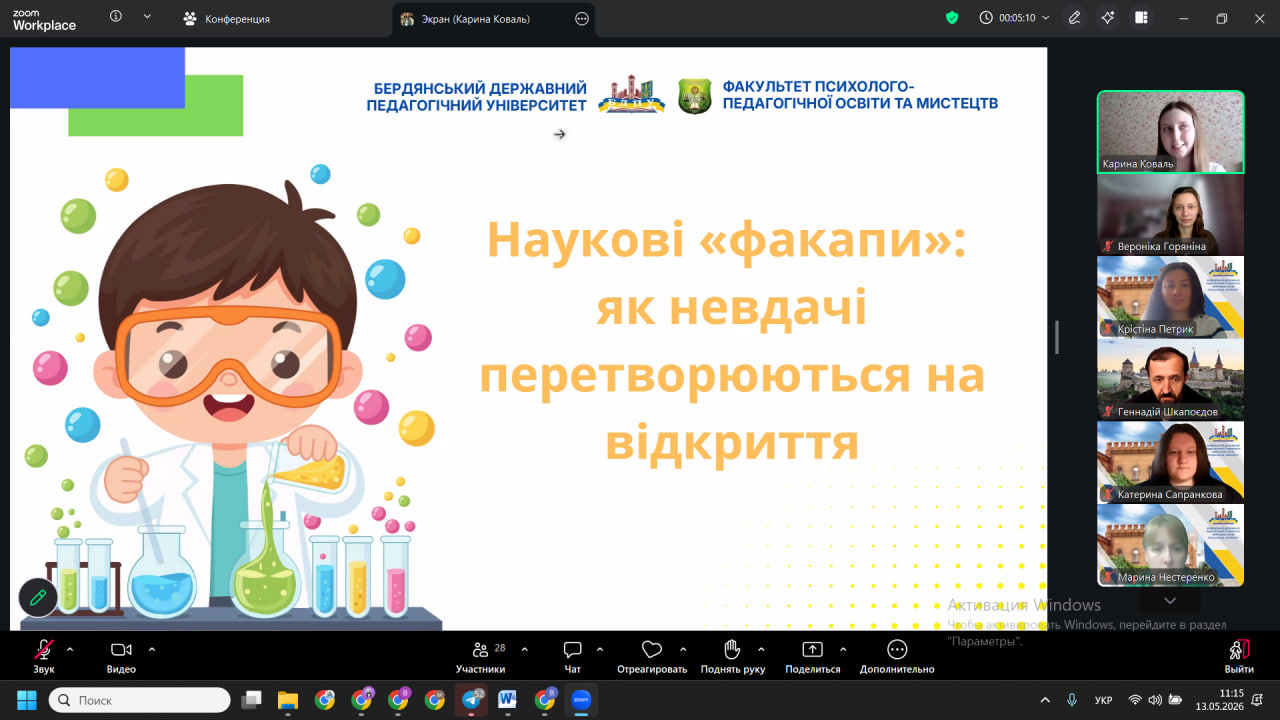
On May 13, 2026, the Faculty of Psychological and Pedagogical Education and Arts of Berdуansk State Pedagogical University hosted a popular science event titled “Scientific ‘Fails’: How Mistakes Turn into Discoveries” (speaker Karina Koval, Assistant Lecturer of the Department of Pedagogy).
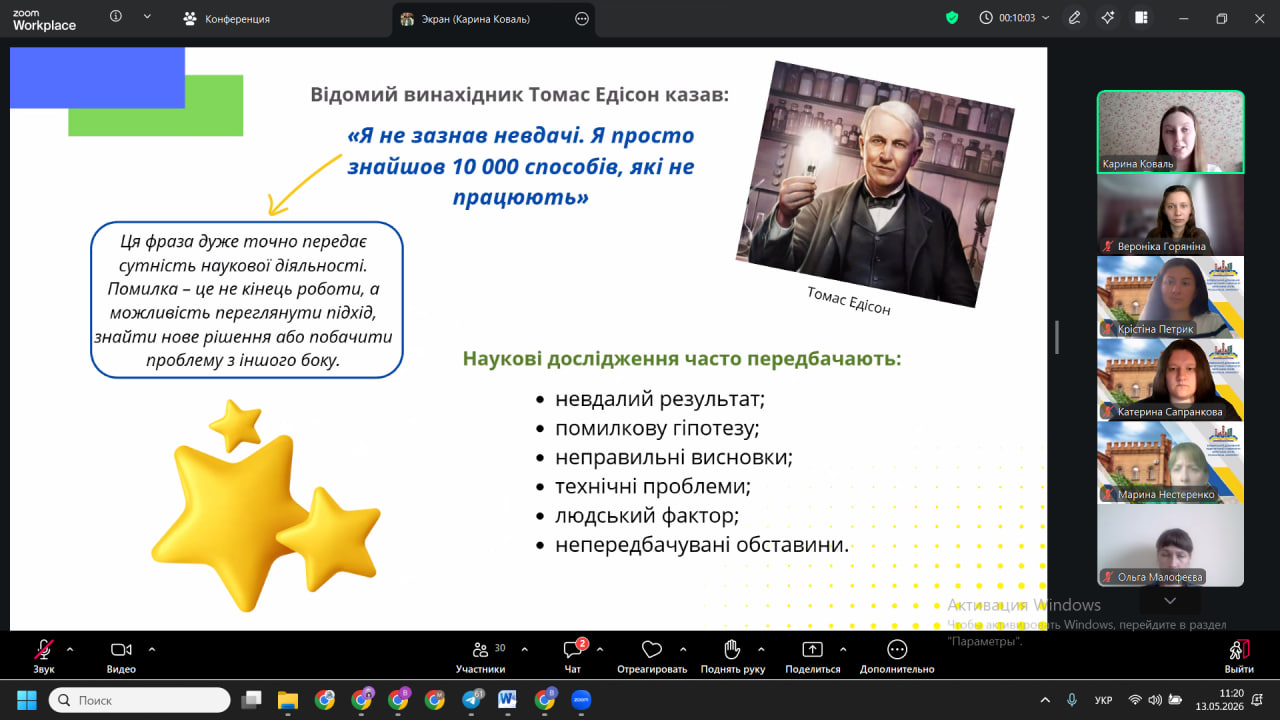
During the meeting, participants focused on an important yet often underestimated component of scientific activity mistakes, unsuccessful experiments, incorrect hypotheses, and situations in which research results do not meet the expectations of the researcher. It was emphasized that the scientific process is inherently non-linear and involves a multi-stage search, hypothesis testing, refinement of results, and their critical reconsideration.
Special attention was paid to the idea that mistakes are not a deviation from scientific norms, but rather an organic part of research practice. They perform an important methodological and cognitive function, contributing to the development of critical thinking, research flexibility, and the ability to engage in scientific reflection. It is often the analysis of unsuccessful results that becomes the basis for formulating new scientific ideas and improving research approaches.
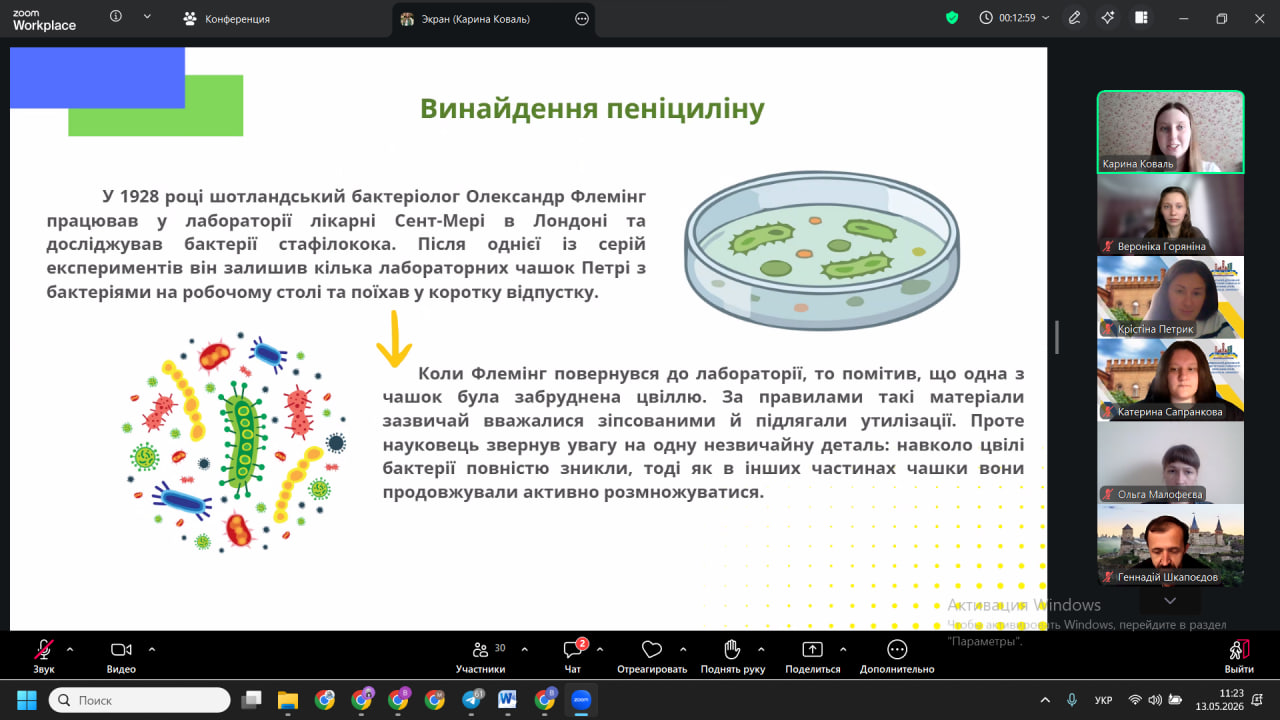
As part of the event, participants examined classic examples from the history of science where accidental observations or unusual experimental results led to significant discoveries in medicine, technology, and industry. This enabled attendees to trace how elements of chance, combined with scientific attentiveness and analytical thinking, can change the trajectory of research.
An important component of the discussion focused on the psychological aspects of attitudes toward mistakes in scientific and educational activities. Participants analyzed the factors contributing to the fear of failure, including the influence of social evaluation, academic requirements, and personal attitudes. Particular attention was given to the concept of a “growth mindset,” which views mistakes as a resource for learning, development, and professional improvement.
At the conclusion of the meeting, it was emphasized that mistakes are an integral part of scientific inquiry, while their systematic analysis and reflection constitute an important stage in the development of research competence and the professional growth of a scientist.



Based on the materials of the Department of Pedagogy

The Department of Theory and Methods of Teaching Arts Disciplines at BSPU Presents a Creative Project for International Music Day. Igor Shamo: “Music Is My Calling, My Life”
Ihor Naumovych Shamo was a prominent Ukrainian composer, virtuoso pianist,…
1 October 2026

The "Iron General" and Future Media Professionals: An Online Meeting with Valerii Zaluzhnyi
Today, September 30, 2026, aspiring media professionals gained a unique…
30 September 2026

Educational practices in the era of artificial intelligence: new opportunities for teachers' professional development
Artificial intelligence is rapidly changing the educational space, offering new…
30 September 2026
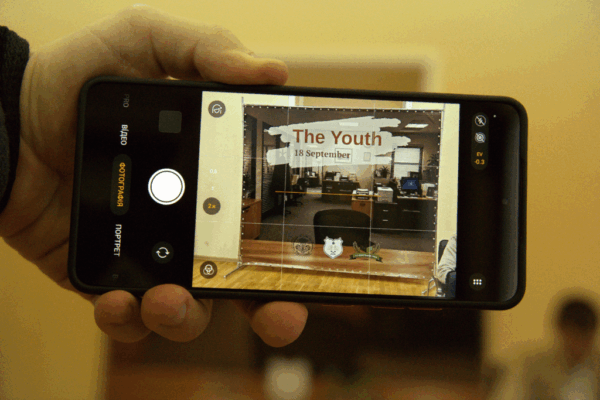
Youth Breaking Barriers: BDPU at The Youth All-Ukrainian Forum in Lviv!
On September 18, Lviv University of Trade and Economics became…
29 September 2026