
Small Steps Towards Fermat’s Last Theorem: 358 Years from a Margin Note to Elliptic Curves and Modular Forms
Admin
22 June 2026
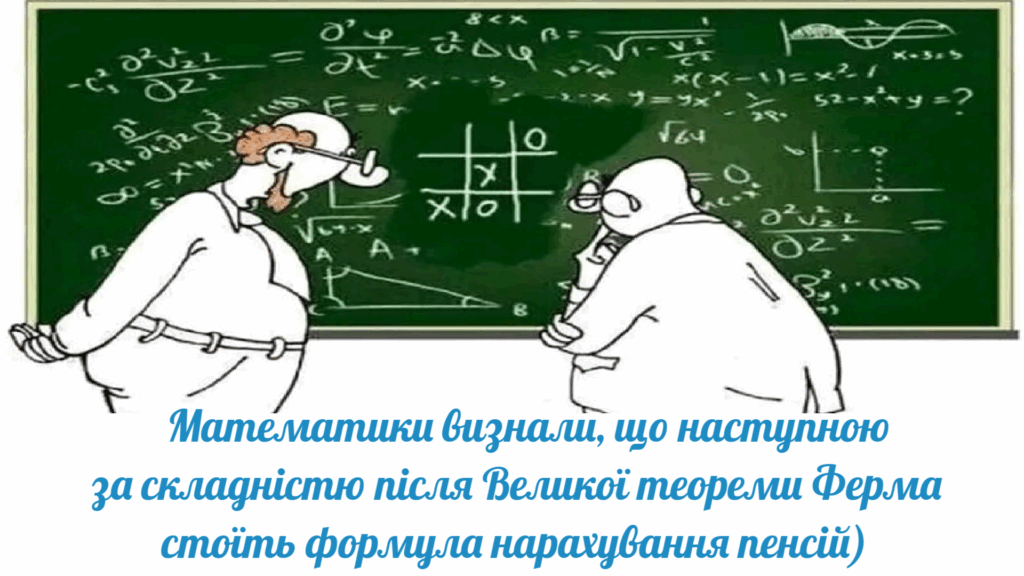
A famous professor, a specialist in number theory, was once again visited by yet another eccentric individual who brought his latest “proof” of Fermat’s Last Theorem. Sighing, the professor began reading the manuscript of the enthusiastic “Fermatist.”
After just a minute, he exclaimed:
- Excuse me, but there is already an elementary mistake on the second page!
The offended author proudly replied:
- It is the job of great thinkers to propose grand ideas. Yours is merely to correct minor inaccuracies.
As promised last time , we revisited the mathematical legacy of Pierre de Fermat. Once again, as part of the activities of the Mathematics Club of the Faculty of FMCTO at BDPU was held, dedicated to one of the most legendary pages in mathematical history – “Small Steps Towards Fermat’s Great Theorem: 358 Years from a Margin Note to Elliptic Curves and Modular Forms.”
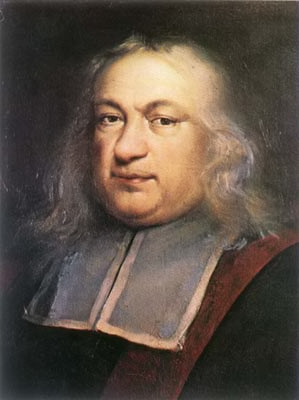
The participants immersed themselves in the world of Pierre de Fermat – a lawyer and brilliant amateur mathematician, whose short note in the margin of Diophantus’ book “Arithmetica” in 1637 became a challenge for many generations of scientists. The session demonstrated how a single phrase, “I have a truly marvelous proof, but this margin is too narrow to contain it,” gave rise to one of the longest-lasting mathematical dramas in history.
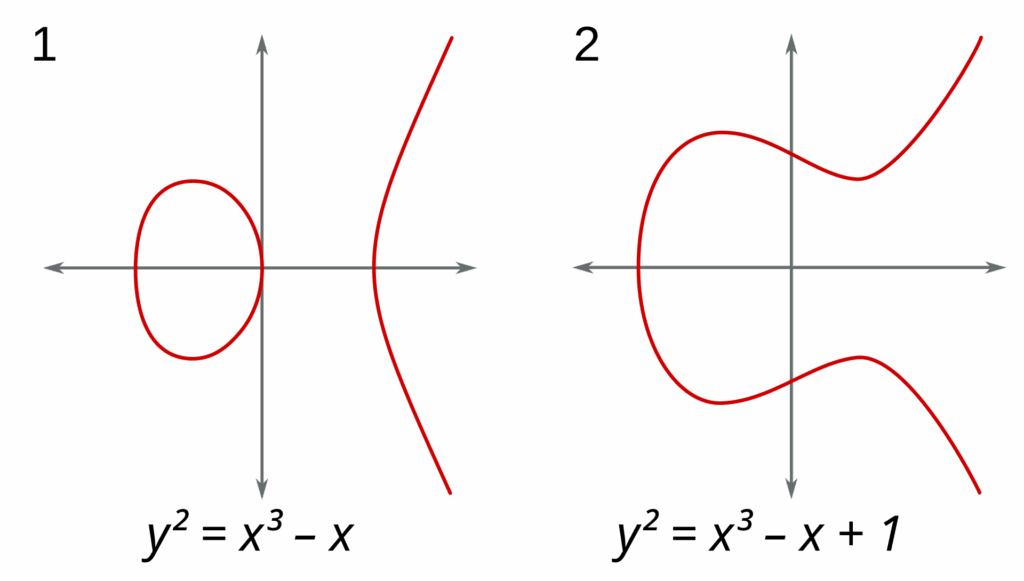
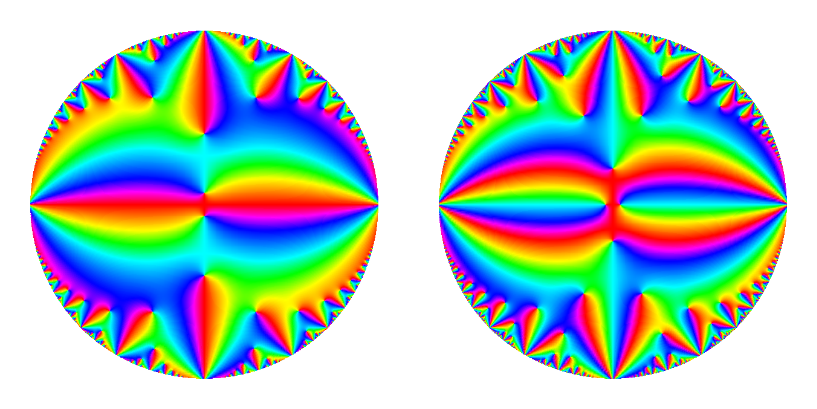
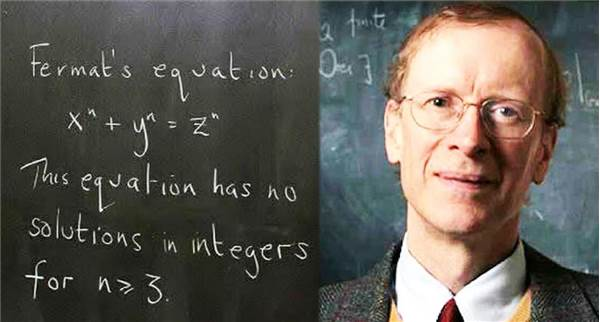
The main focus was on Fermat’s Last Theorem and the “small steps” that ultimately led to its proof. Participants explored elliptic curves and modular forms, factorization in the ring of integers, as well as the key ideas behind Andrew Wiles’ epoch-making proof of 1993–1995.
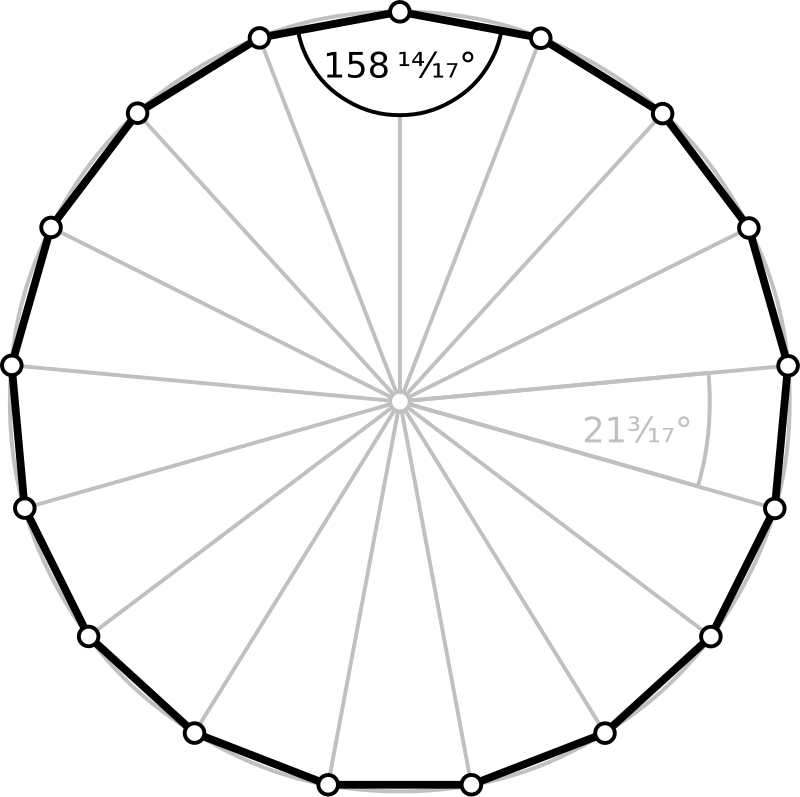
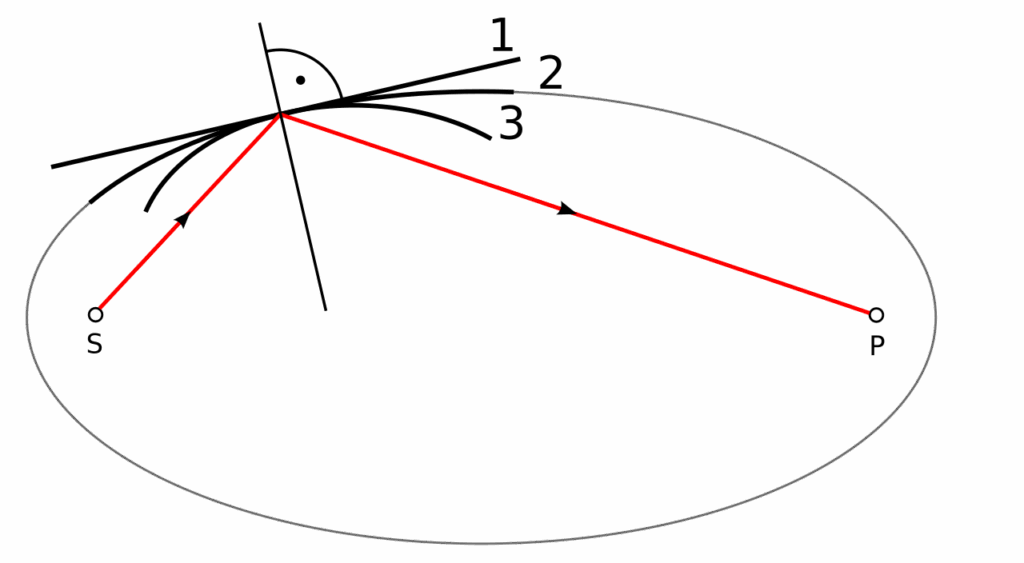
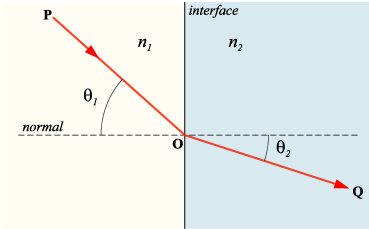
In addition, the students familiarized themselves with Fermat’s Little Theorem, which became the foundation of modern number theory. They learned about Fermat numbers – ordinary, prime, and generalized – and examined Fermat’s Principle, a physical principle stating that light chooses the path that requires the least time.
The session once again demonstrated how an abstract mathematical idea, born almost four centuries ago, managed to unite the most complex branches of modern mathematics – number theory, algebraic geometry, and representation theory. The participants saw that Fermat’s Last Theorem is not just an “unsolved problem,” but an incredible story of the triumph of the human mind, which shows how patience, perseverance, and brilliant intuition ultimately overcome the most difficult mysteries.
Such meetings remind us that mathematics is a living history, in which even small steps in the margins of an old book can move entire scientific worlds.
Full version:
«Find Out and Get Involved»: Student Life at BDPU Continues
Berdyansk State Pedagogical University (BSPU) hosted its traditional "Learn and…
28 September 2026
Significant Contribution of a BSPU Scholar to the Future of Quality School Legal Education
The New Ukrainian School (NUS) reform, which has fundamentally transformed…
28 September 2026

Guest Lecture on Olena Teliha Held at BDPU
On September 23, Berdyansk State Pedagogical University hosted an open…
28 September 2026
Stories That Hold Us Together
On 24–25 September 2026, Berdyansk State Pedagogical University hosted an…
28 September 2026