
Trauma-informed approaches: tools of impact in inclusive education

Admin
19 March 2026
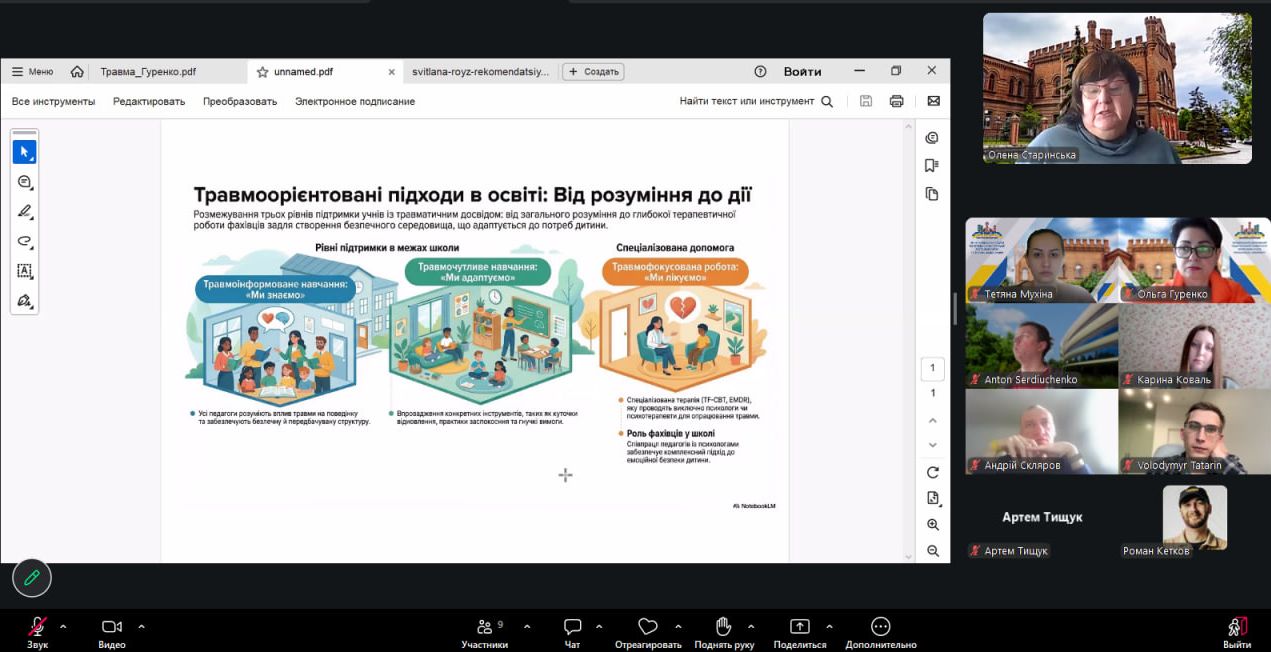
Today’s educational space requires educators not only to possess academic expertise, but also to demonstrate deep sensitivity to learners’ experiences. This quality was clearly reflected in a guest lecture delivered within the educational component “Inclusive Approaches in Education” for PhD students majoring in 011 Educational, Pedagogical Sciences, organized under the supervision of Professor Olha Hurenko.
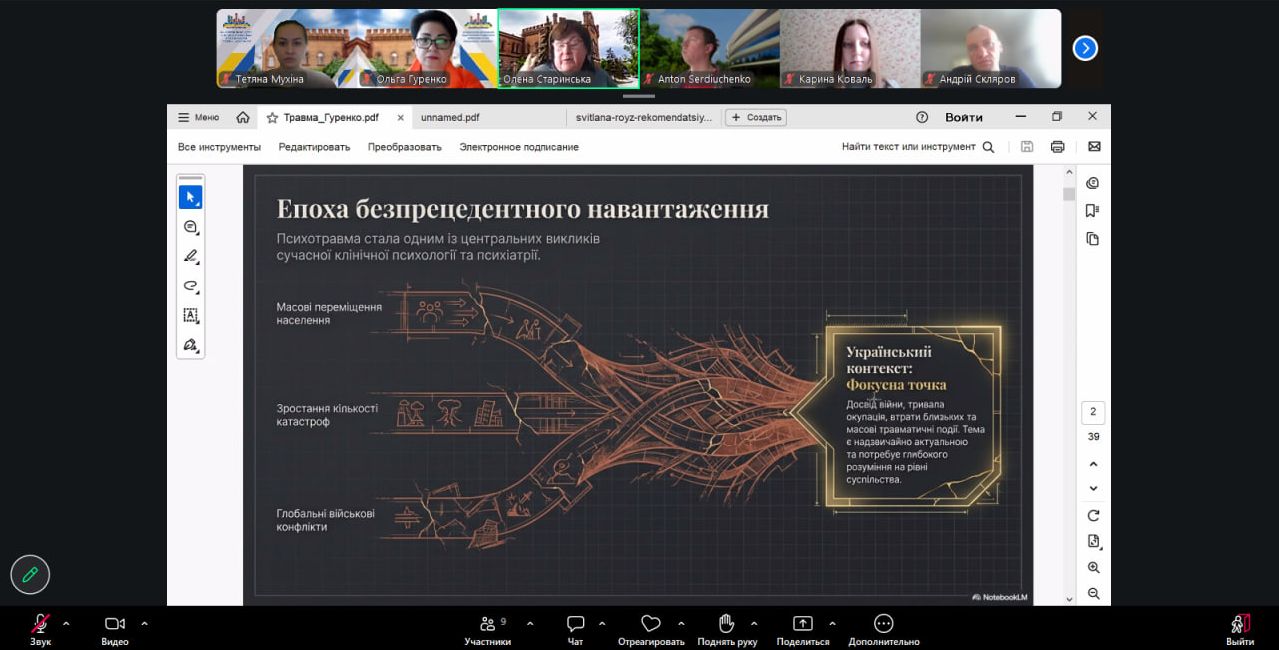
The speaker, Olena Starynska, Doctor of Psychological Sciences, Head of the Department of Applied Psychology and Speech Therapy, practicing psychologist and art therapist, addressed the topic “Trauma-Informed Approaches in Education: From Understanding to Action,” defining trauma as a new norm within the Ukrainian educational context.
The lecture focused on the shift from diagnosis to action. In the context of war, psychological trauma is no longer an exception but has become part of students’ everyday experience. Accordingly, educators must change their perspective: not “Why is this happening?” but rather “What has happened to the person?” A lack of understanding of these processes creates the risk of re-traumatization within the educational environment.
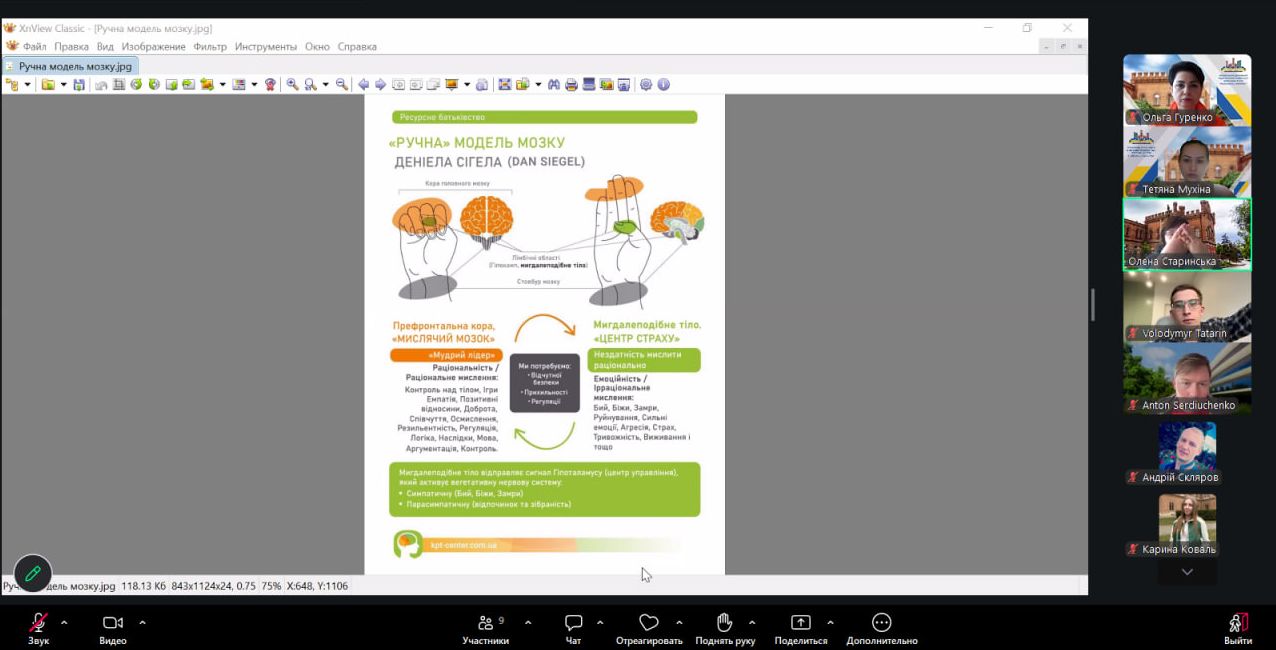
Particular practical value was found in the reference to Daniel Siegel’s brain model, which explains why learning is inhibited under stress: emotional responses dominate rational thinking. This understanding translates into specific pedagogical actions – reducing pressure, increasing a sense of safety, and supporting stability.
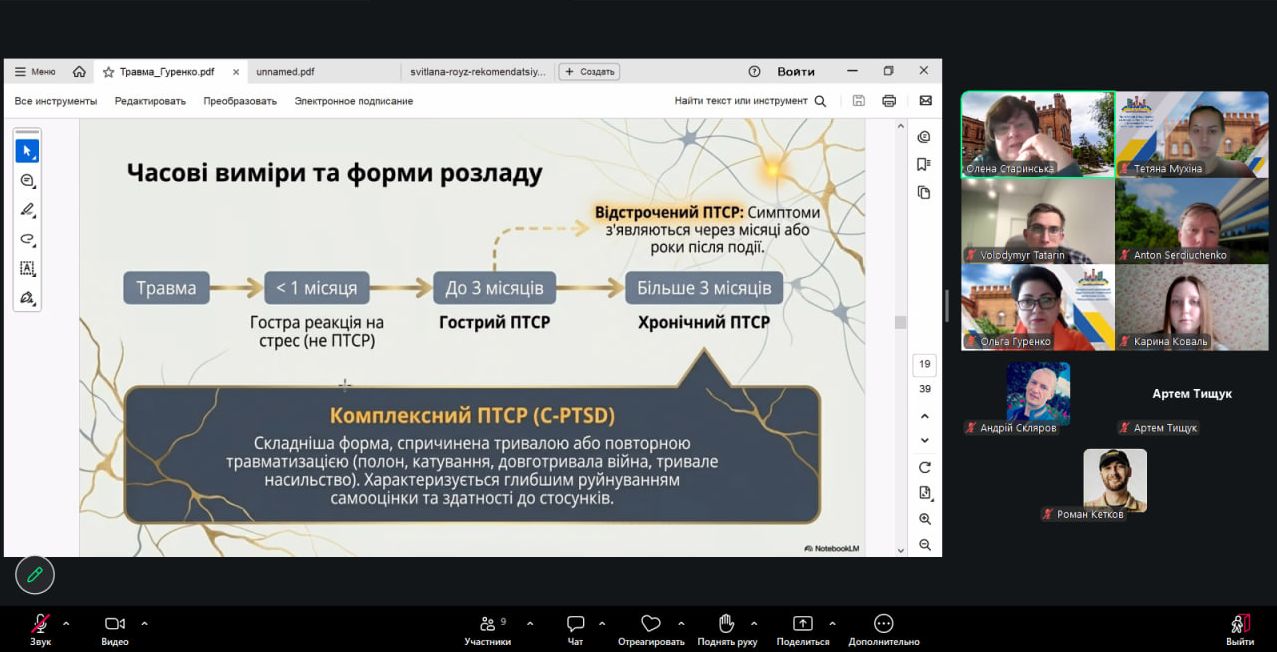
The key manifestations of trauma were outlined – re-experiencing, avoidance, cognitive changes, and hypervigilance – as a system requiring a comprehensive pedagogical response. At the same time, emphasis was placed on the potential for post-traumatic growth, which opens space not only for recovery but also for development.
A lively discussion of case studies confirmed that a trauma-informed approach is not merely theoretical, but an essential competence for modern educators who must act in conditions of uncertainty while fostering an inclusive and safe educational environment.
For third-level (educational and scientific/PhD) students in the field of Educational and Pedagogical Sciences, understanding trauma-informed approaches is a crucial component of professional competence – especially in the realities currently faced by Ukraine. In this context, the educational component “Inclusive Approaches in Education” becomes particularly relevant, as it cultivates the ability to see behind behavior – pain, behind difficulties – experience, and behind the role of the educator – the potential for healing.
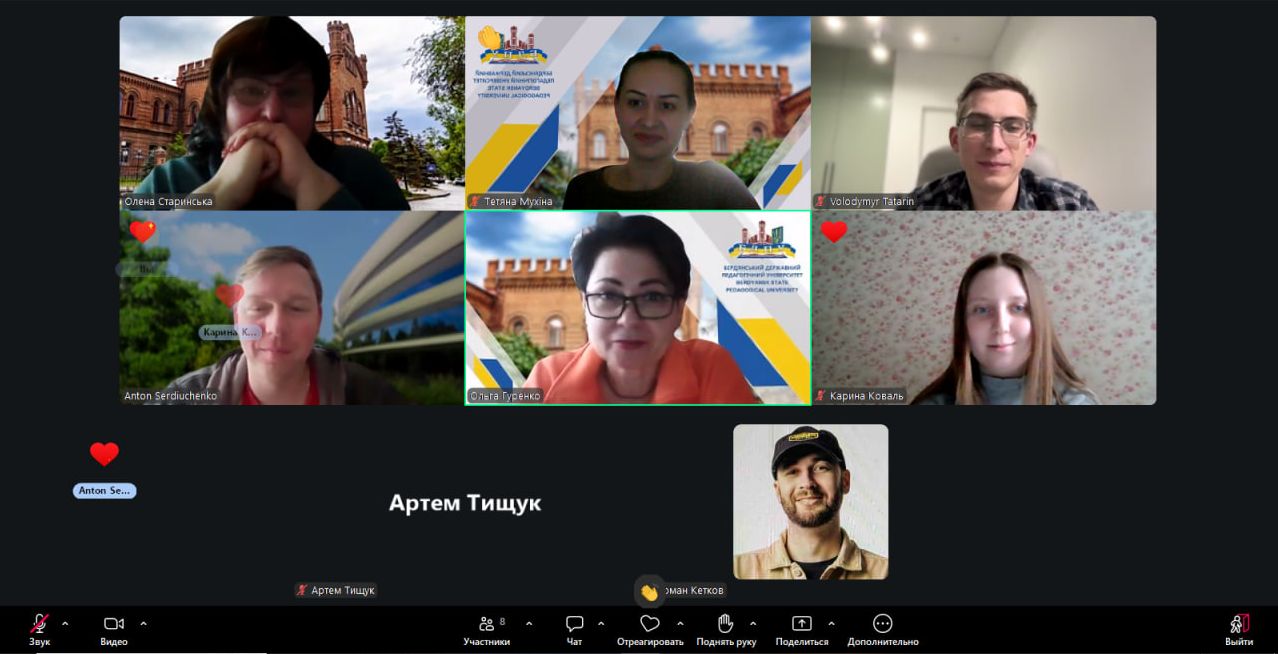
Based on materials prepared by third-level (PhD) students in Educational and Pedagogical Sciences

A Meeting with Practitioner Oksana Vatseba Took Place
On March 19 at 2:20 PM, an informative and engaging…
20 March 2026
Creative Project Dedicated to Borys Lyatoshynsky – Founder of the Ukrainian Composer School
Dear colleagues and esteemed students The Department of Theory and…
19 March 2026
Discussion of the draft EP Secondary Education (Musical Art and English) 2026: professional dialogue with stakeholders
On March 15, 2026, an online meeting of the working…
18 March 2026
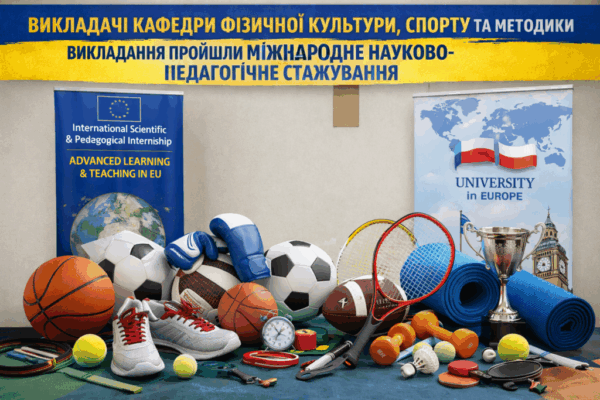
Education Without Borders: Department Lecturers Enhance Their Professional Expertise
The Department of Physical Culture, Sports and Teaching Methods at…
17 March 2026