
Mariupol Living in Memories: BDPU Students Attend the Presentation of a Documentary Book by Maks Hrabovskyi
Admin
10 November 2026
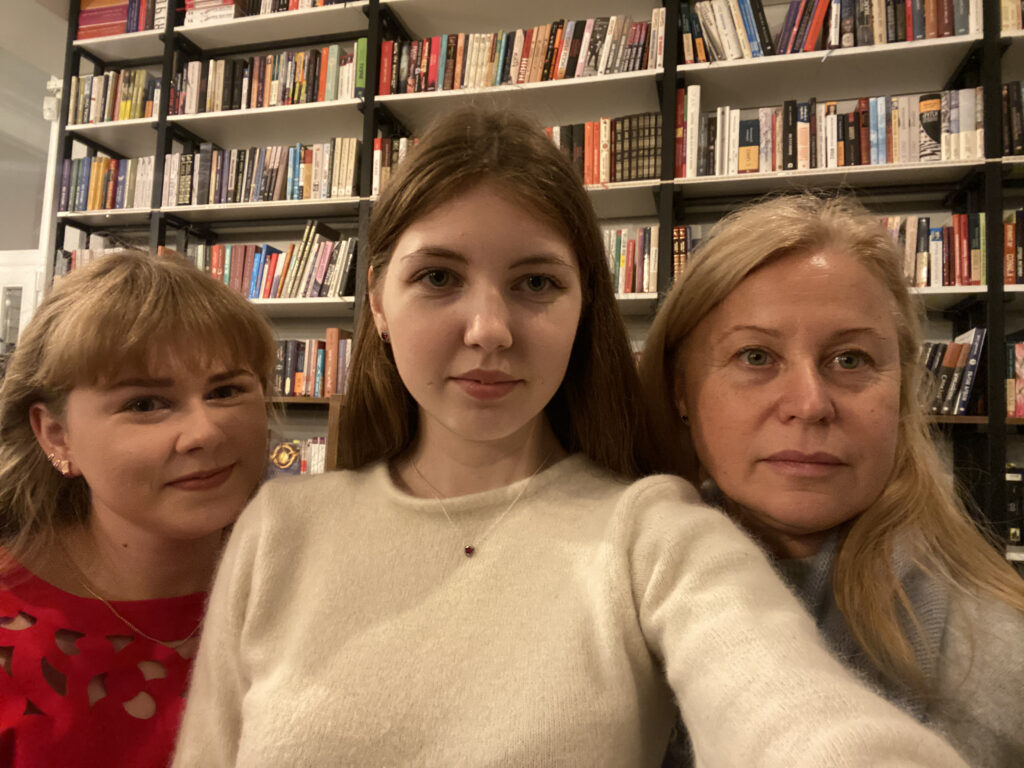
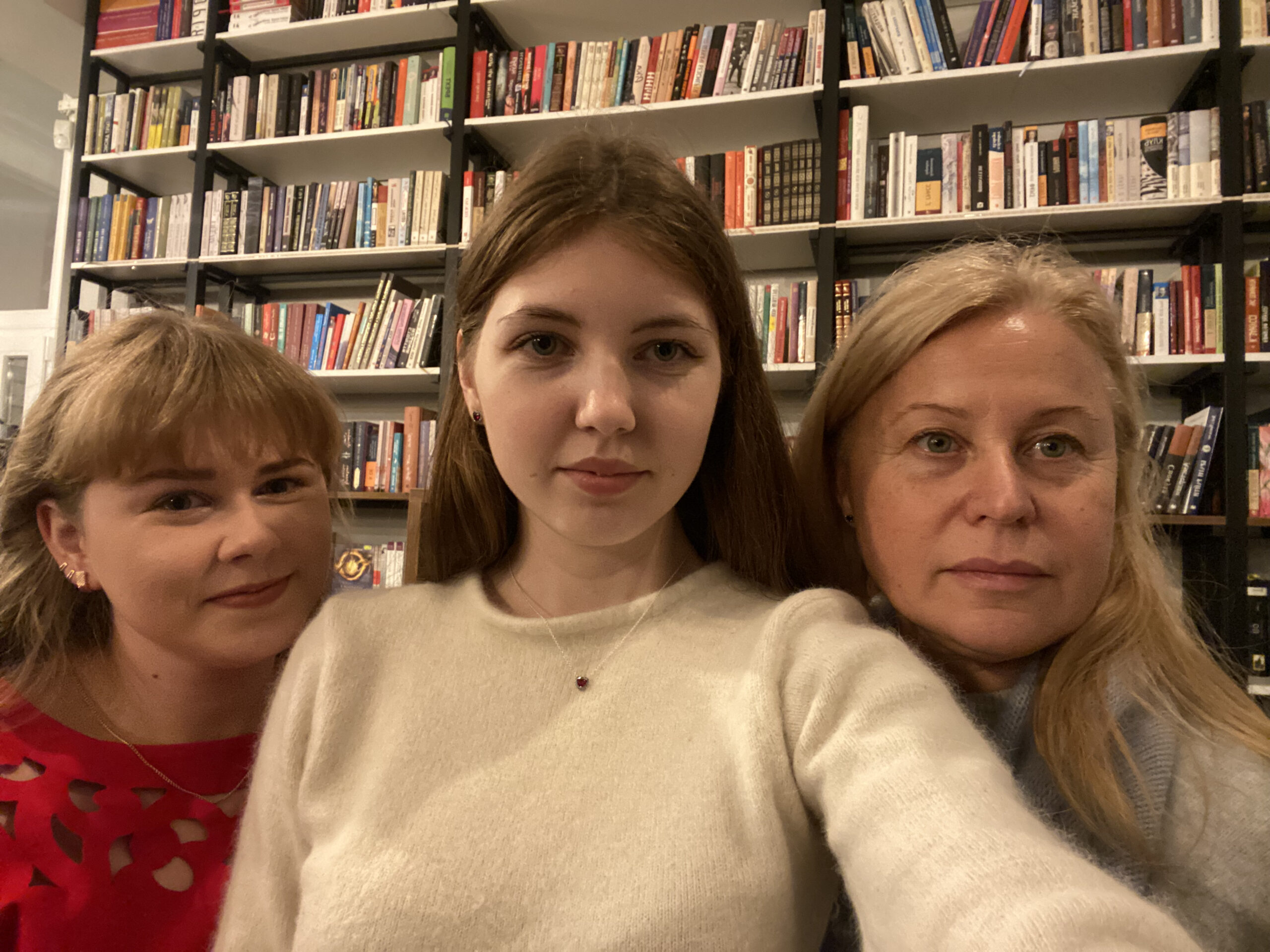
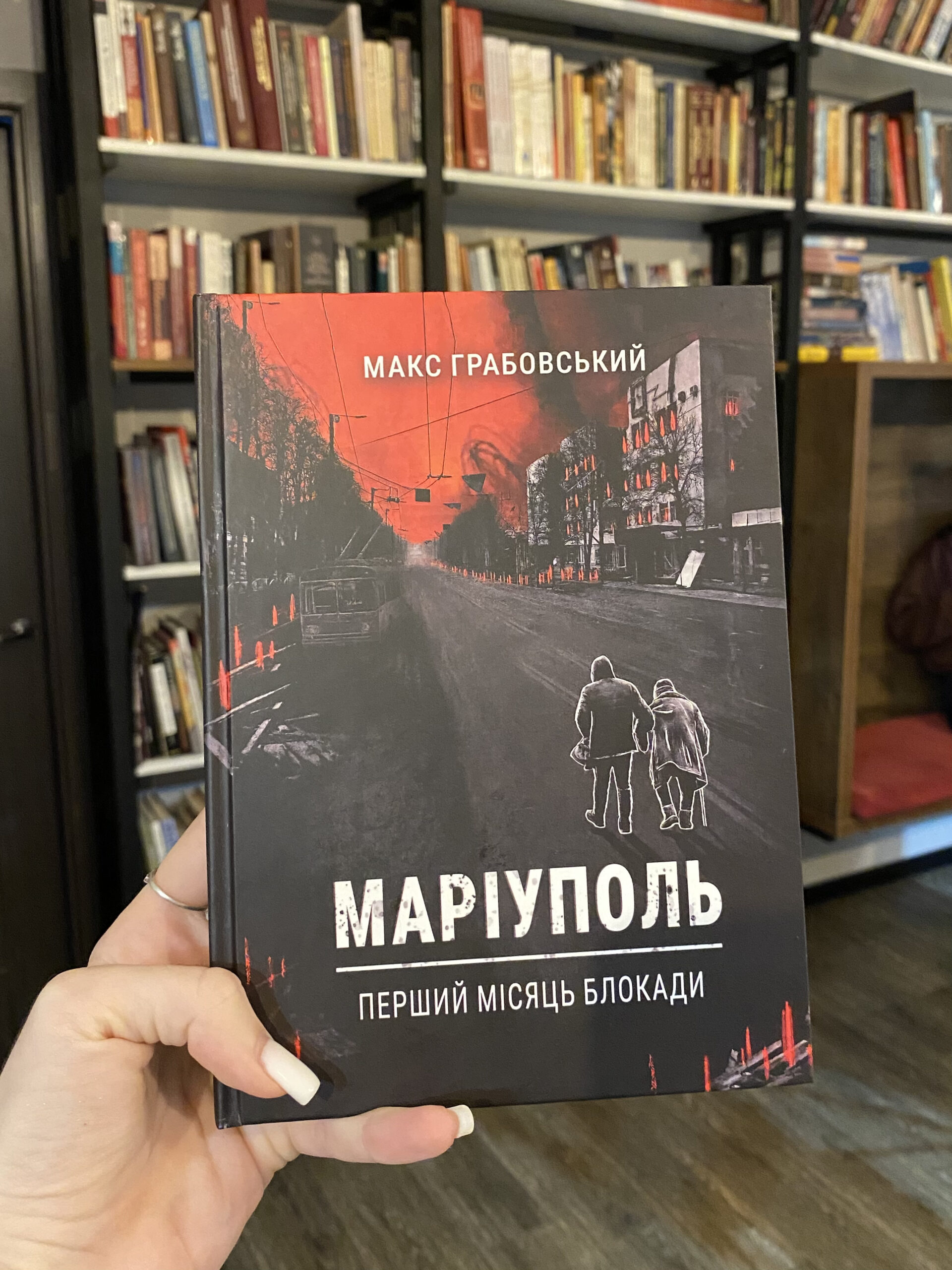
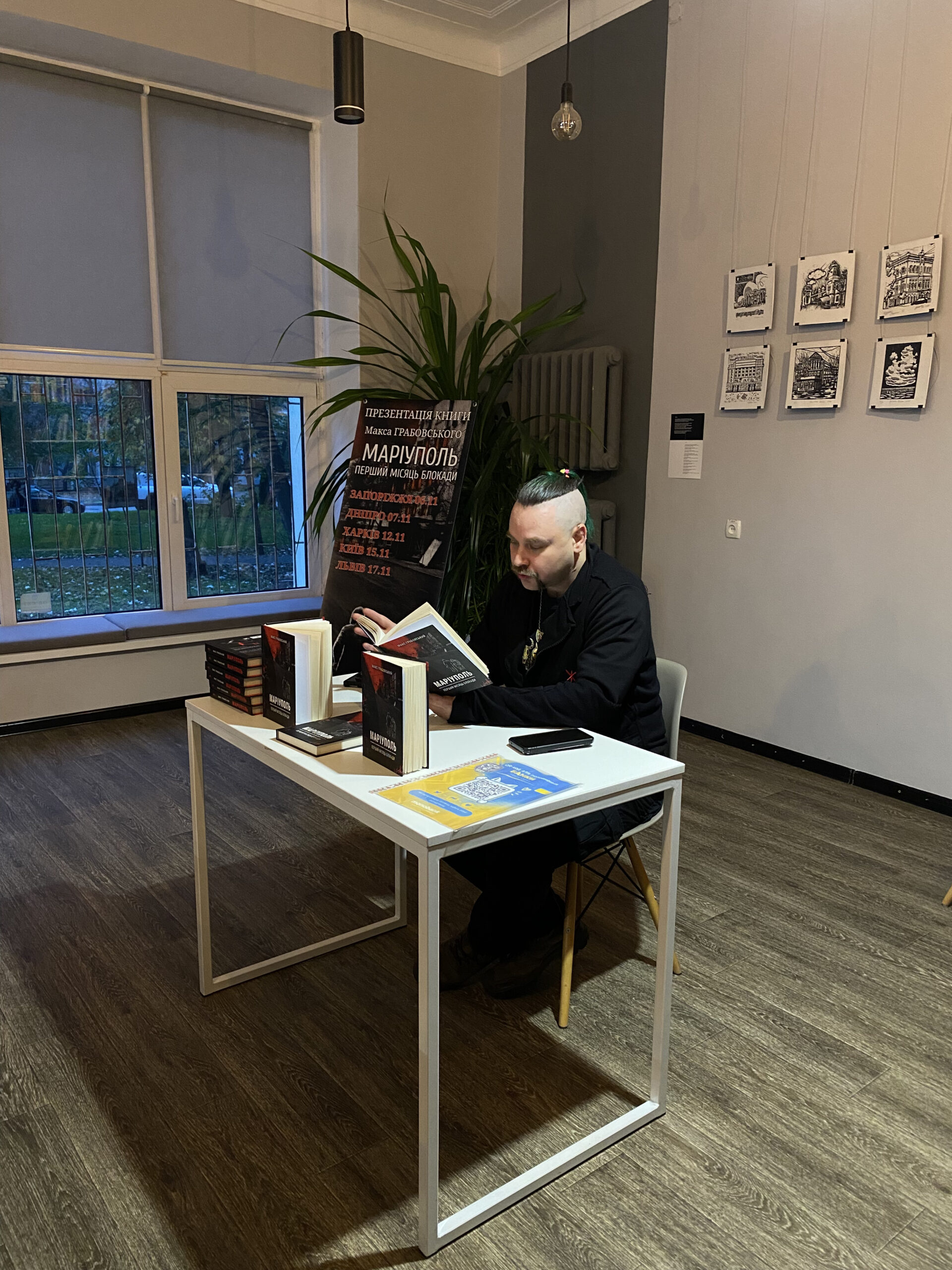
On November 6, Kateryna Bukhtiiarova and Alona Neizzhala, students from the Faculty of Social Sciences and Humanities, joined the faculty dean, Maryna Bohdanova, at the presentation of the documentary book *Mariupol: The First Month of the Blockade*, authored by writer, journalist, and serviceman Maks Hrabovskyi.
During the event, the author spoke about Mariupol, his journalistic work at the onset of the full-scale invasion, and the events he witnessed firsthand.
The author placed special emphasis on the significance of journalism during wartime. It is precisely through the work of journalists that the world learns about actual events, human tragedies, and crimes—matters that must not escape public attention.
For Maks Hrabovskyi, his journalistic work was not the final step in processing what he had experienced. His desire to preserve the memory of Mariupol and document the events of the blockade’s first weeks led to the creation of the book *Mariupol: The First Month of the Blockade*.
Such documentary accounts hold particular value; they not only help reconstruct the chronology of events but also reveal how the war has irrevocably altered the lives of ordinary people.
One of the most poignant parts of the meeting featured accounts from Mariupol residents. They shared stories of happy pre-war moments, familiar streets, and places that will remain in their hearts forever. For them, the book presentation was far more than just a literary event; it served as an opportunity to mentally return to their hometown and recall their lives before the war. Yet, alongside these warm recollections, painful stories also emerged: the onset of the full-scale invasion, the occupation, the blockade of the city, and the eventual departure…
Those present spoke of the harrowing ordeals endured by the civilian population—the lack of basic necessities, constant danger, profound uncertainty, and the arduous journey out of war-torn Mariupol.
Each story served as a poignant reminder that behind reports of wartime events lie real people, with their own personal experiences, losses, and hopes.
For representatives of our university, the mention of Berdiansk was particularly moving. Residents of Mariupol spoke with warmth and gratitude about the people of Berdiansk, who welcomed those fleeing the war-torn city, offered assistance, and provided temporary shelter.
The stories of Mariupol and Berdiansk proved to be deeply intertwined—not only through the shared trials of war but also through the lives of the people involved and the mutual support they extended to one another.
At the end of the meeting, Kateryna Bukhtiiarova, a student majoring in Journalism, had the opportunity to speak personally with Maks Hrabovskyi and conduct an interview with him. The discussion focused on how the author’s journalistic experience influenced the writing of the book, the personal significance of Mariupol to the author, the reasons behind creating this work of non-fiction, and the importance of preserving the memory of these events for future generations.
This meeting proved to be a valuable experience for the students; it offered them the chance not only to gain a deeper understanding of contemporary non-fiction literature but also to hear firsthand accounts from people whose lives have been forever altered by the war.
Remembering, sharing stories, and preserving the truth is our collective duty to future generations.
Information hygiene as an everyday choice
Every day we scroll through feeds, listen to music, and…
10 November 2026
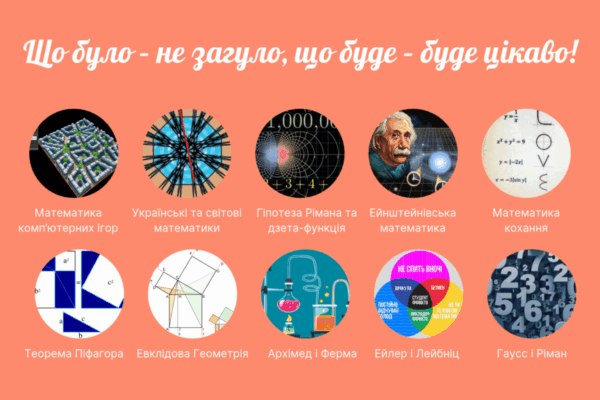
“BSPU Integral”: Bringing Knowledge Together – Creating the Future!
Two years may be just a fleeting moment on the…
10 November 2026
Foundations of Ethical Interaction with People with Disabilities and Children with Master’s Thesis Pre-Defense: A Step Towards Final Assessment
The Department of Applied Psychology and Speech Therapy at Berdyansk…
10 November 2026
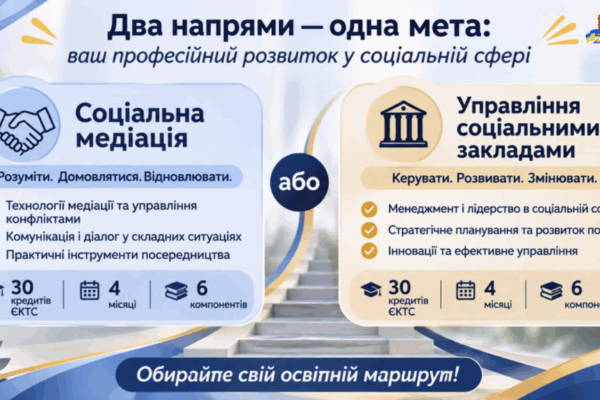
Certificate Programmes Presented to Berdyansk State Pedagogical University Master’s Students to Support Individual Learning Pathways
On 5 November 2026, the Department of Social Work and…
9 November 2026