
A Pedagogical Mystery at the Department of Pedagogy: How Students and Lecturers at BSPU Deciphered the Secret Montessori Code
Admin
30 October 2026
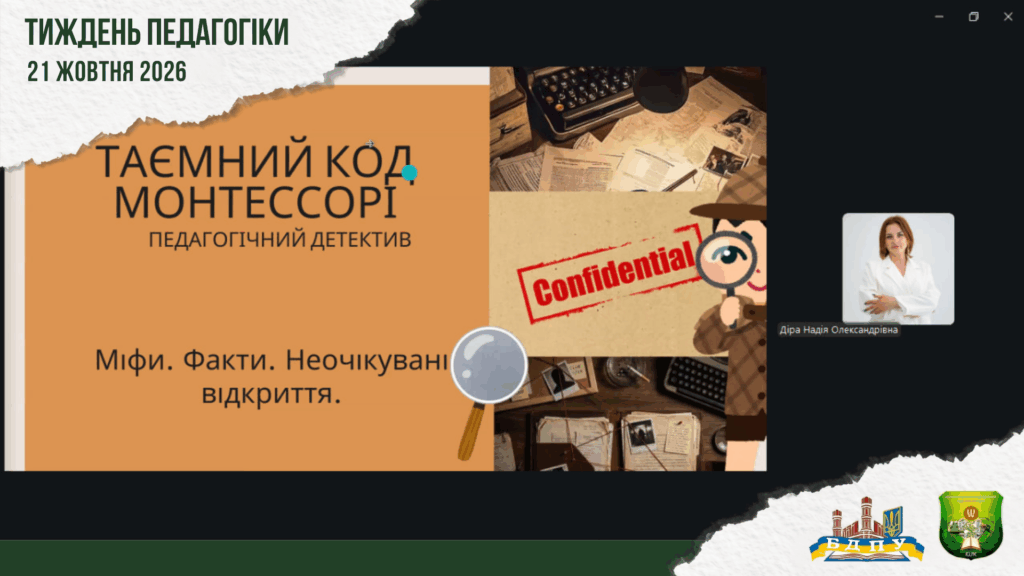
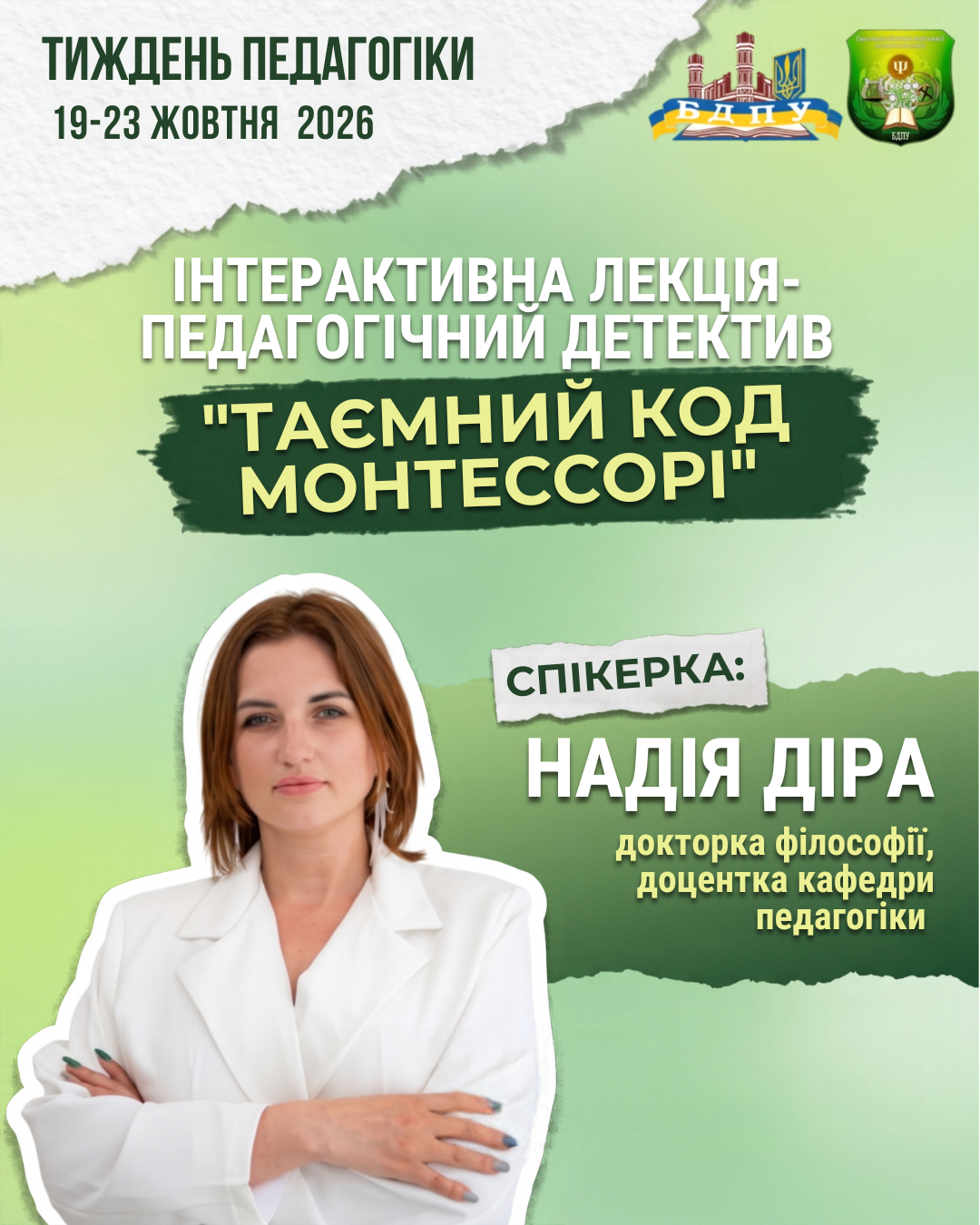
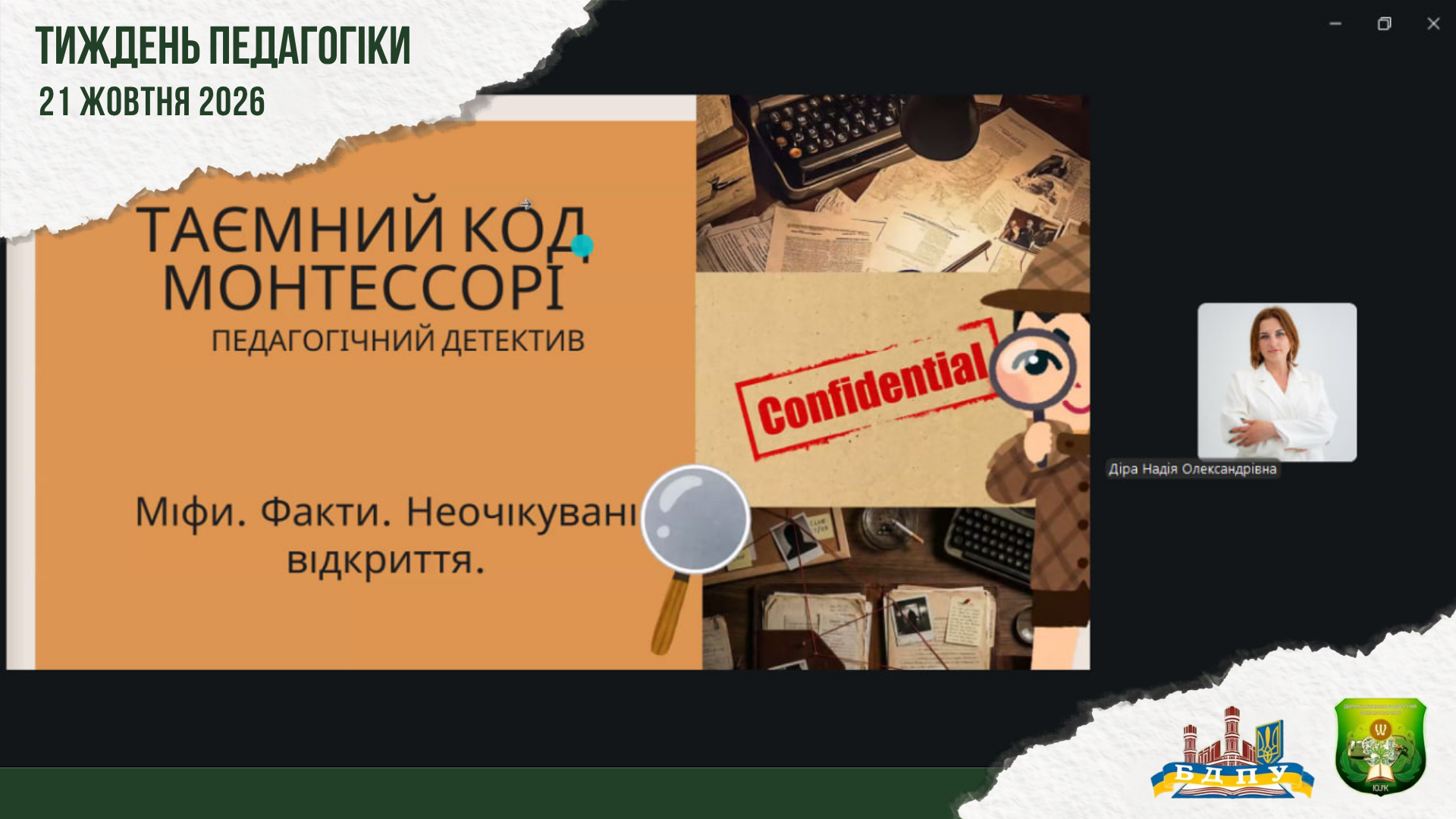
Can serious science be combined with a thrilling investigation? Absolutely! On October 21, the Department of Pedagogy at the Faculty of Psychological and Pedagogical Education and Arts hosted a fascinating interactive lecture in the format of a true detective story — “The Secret Code of Montessori”. The event’s speaker, PhD and Associate Professor of the Department of Pedagogy Nadiya Dira, invited students and lecturers to step away from traditional formats and step into the shoes of investigators to collectively untangle global educational myths and facts.
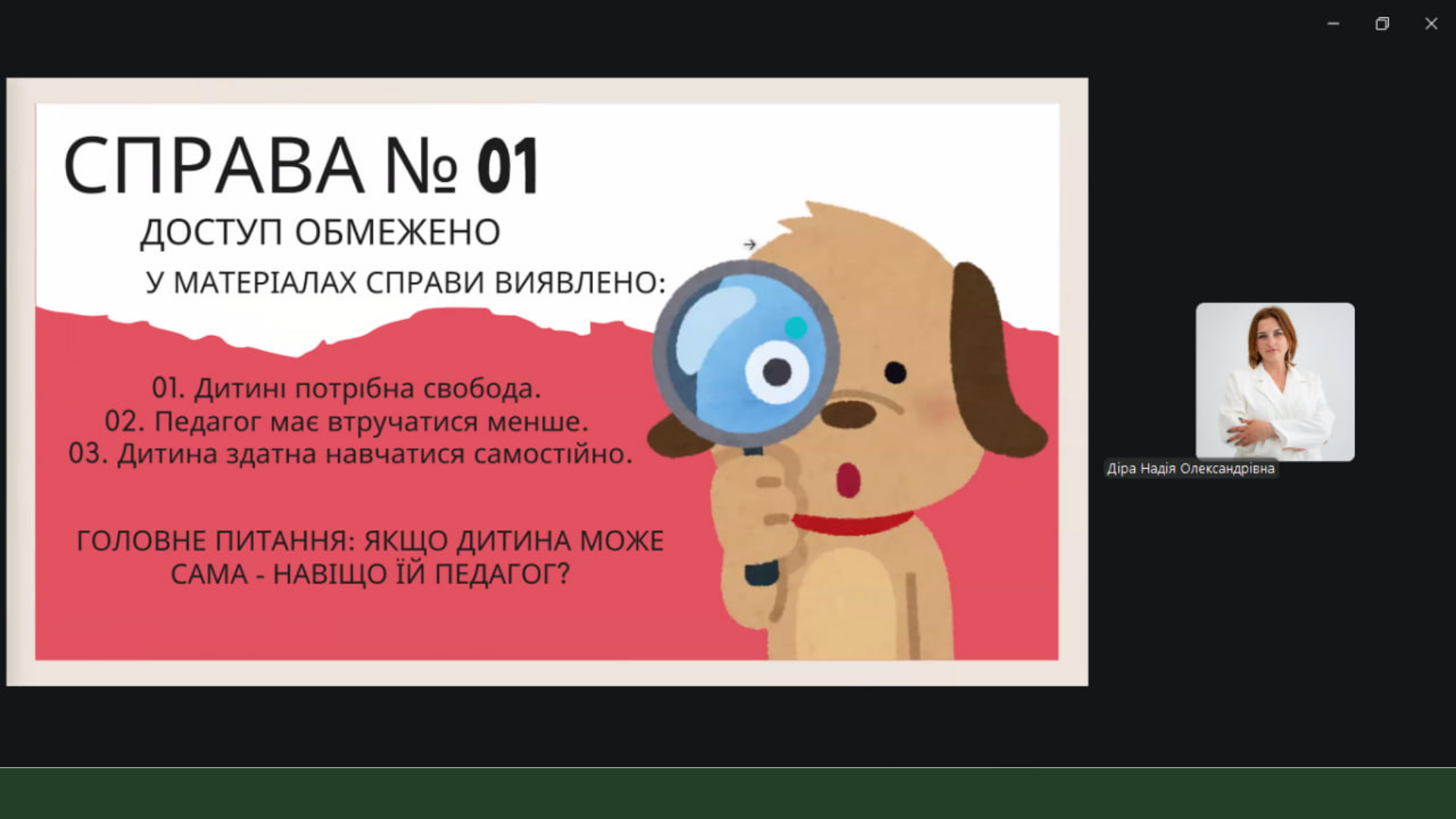
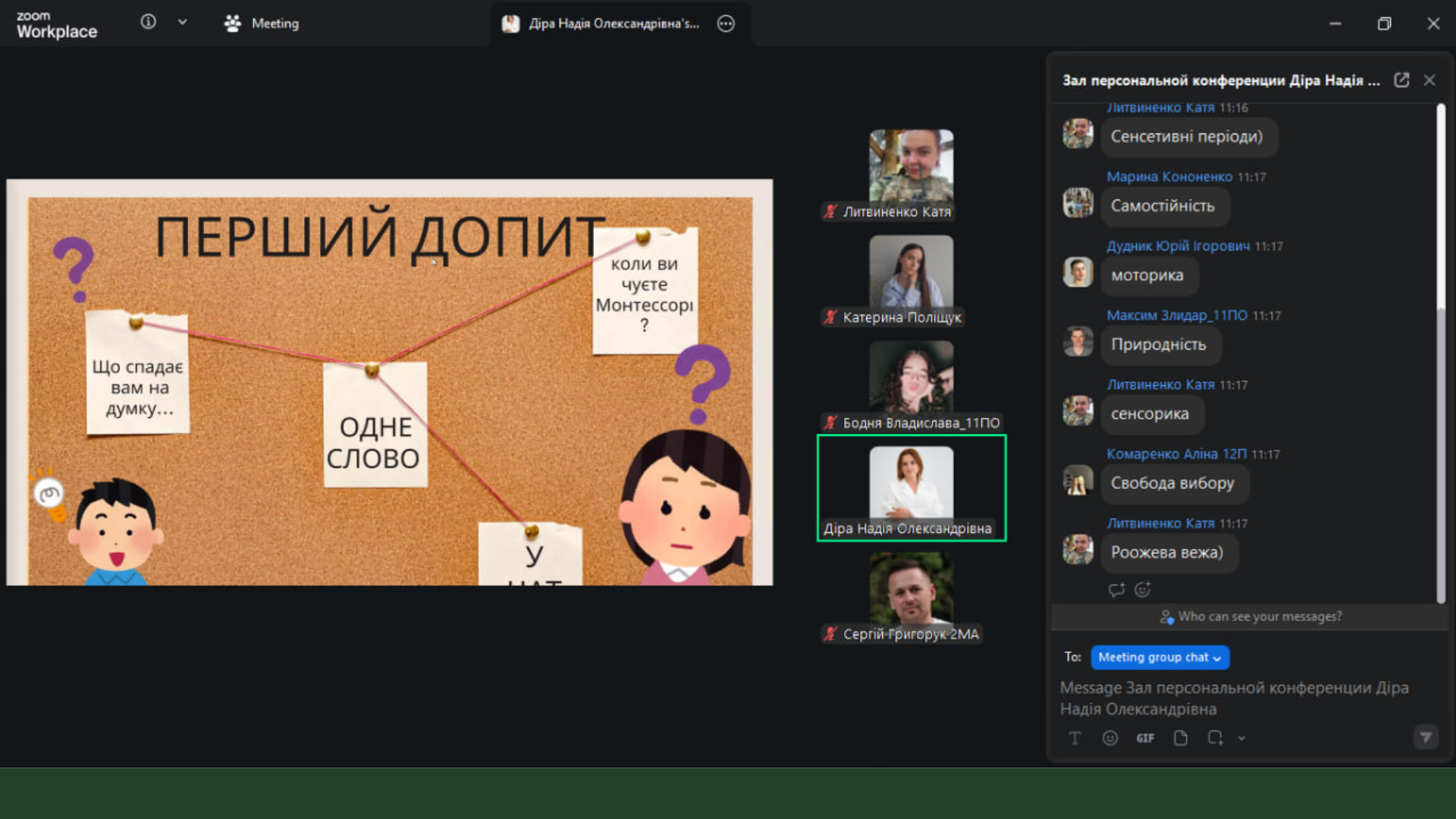
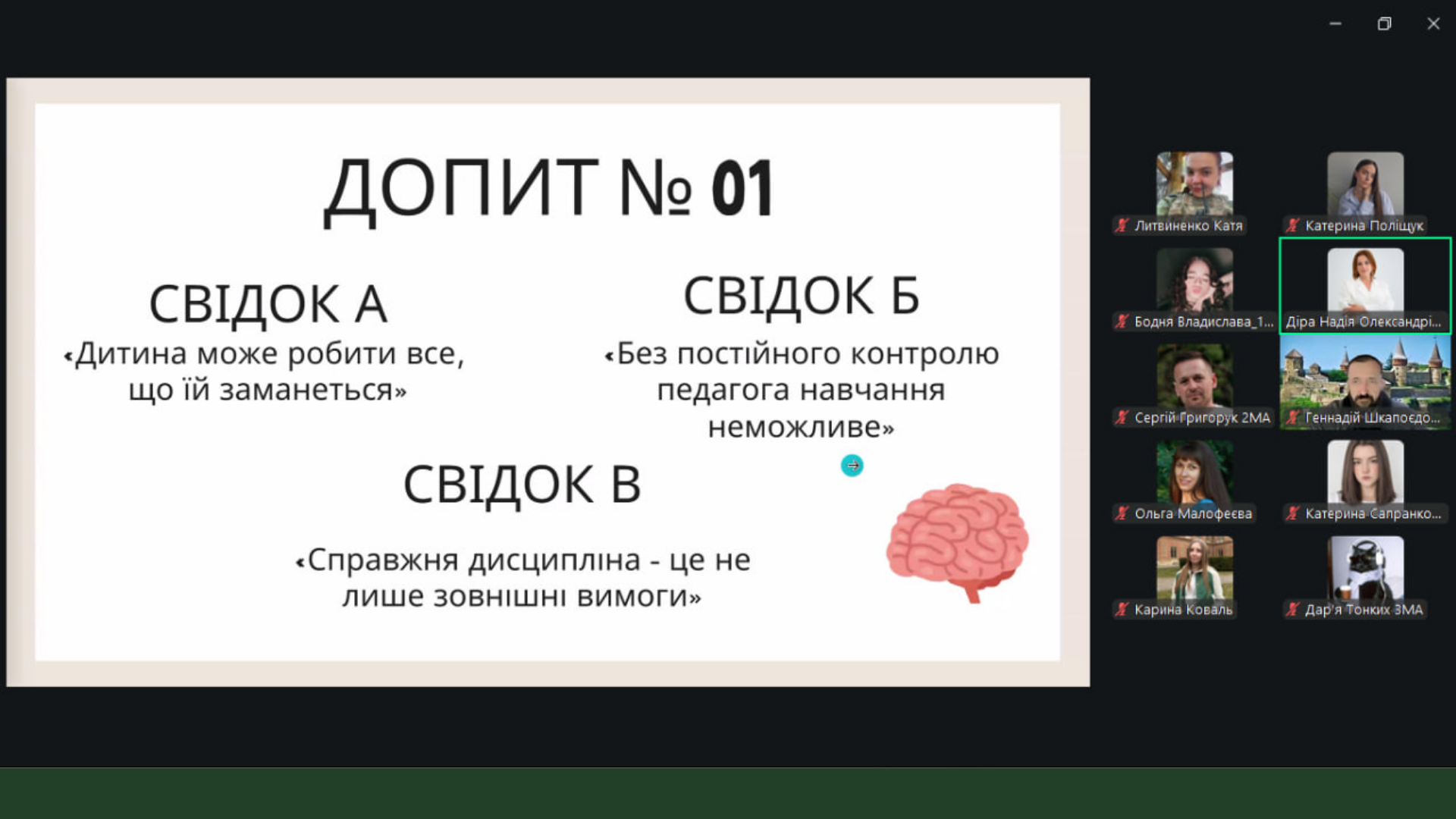
The investigation kicked off with a discussion of a core dilemma: if a child naturally seeks freedom and is capable of independent learning, what is the teacher’s true role in this process? Event participants went through a series of virtual “interrogations” and logical experiments, working under time limits to brainstorm and test their own hypotheses. The attendees actively shared their professional associations in the chat and debated the difference between true conscious discipline and mere formal compliance.
During the meeting, special focus was placed on the professional journey of Maria Montessori — an outstanding physician and researcher who fundamentally transformed classical approaches to education. By analyzing her methodology, the participants reached a crucial conclusion: a modern teacher is neither an authoritarian manager nor a passive observer who lets a child do whatever they please. First and foremost, they are professionals capable of deeply analyzing the root causes of a child’s behavior and, instead of resorting to coercion, skillfully offering them a constructive, meaningful choice.
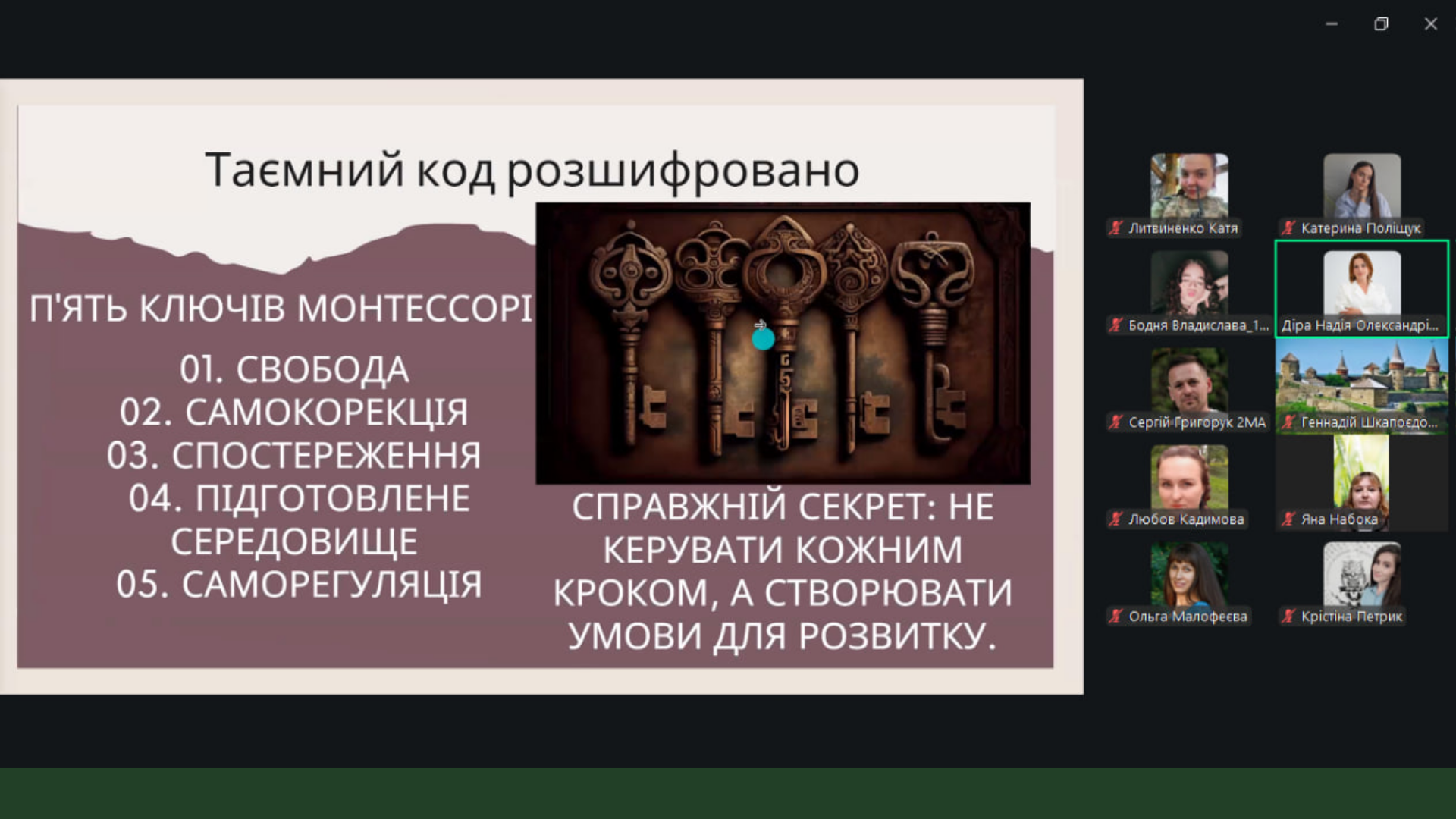
In the finale of this dynamic session, the secret code was successfully deciphered. Participants highlighted the system’s five key principles: freedom, self-correction, observation, a prepared environment, and self-regulation. The main takeaway for the students and educators underscores the humanistic essence of the methodology: true mastery in education lies not in micromanaging every step a child takes, but in creating favorable conditions for their harmonious development.
The world is changing rapidly, and we are generating new meanings alongside it. More innovations, discussions, and creative solutions are still ahead — see you at the upcoming events of the Department of Pedagogy!
Department of Pedagogy, FPPOM
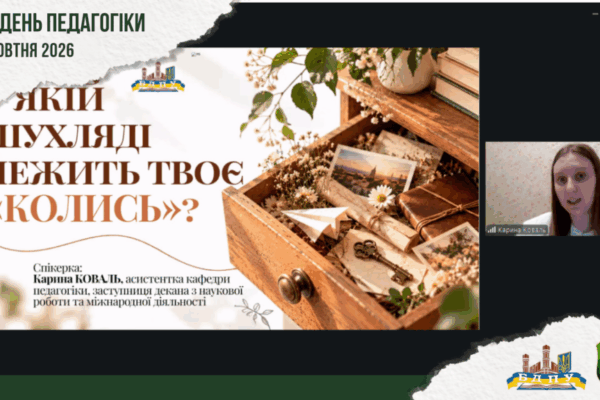
In which drawer do you keep your "someday"? Have you ever wondered how many bold ideas, important conversations, and long-cherished endeavors we hide behind the convenient phrase, "I’ll start on Monday"?
This was exactly the question that the lecturers, students of…
30 October 2026
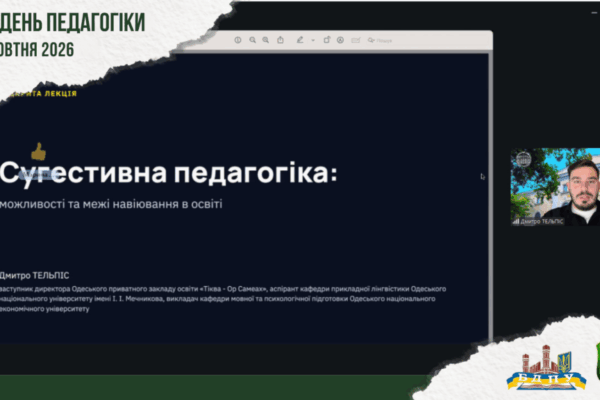
Pedagogy Week continues to enrich the professional community with new ideas and interesting people!
On October 20, the Faculty of Psychological and Pedagogical Education…
30 October 2026
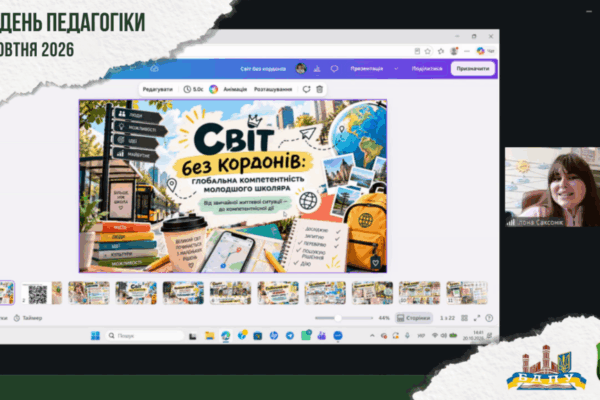
Pedagogy Week is gaining momentum, bringing new knowledge and useful connections!
On October 20, the Faculty of Psychological and Pedagogical Education…
30 October 2026
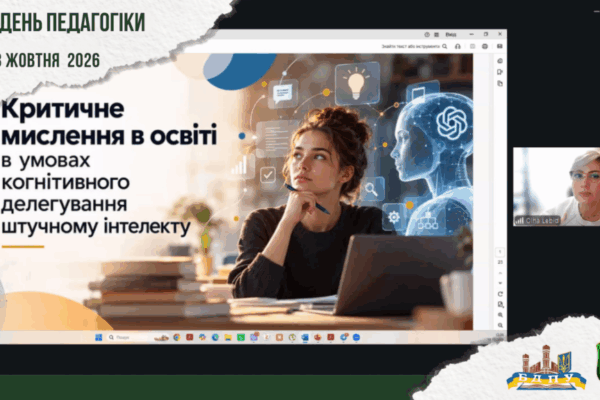
Critical Thinking in Education in the Context of Cognitive Delegation to Artificial Intelligence
On October 19, the Faculty of Psychological and Pedagogical Education…
30 October 2026