Emotional literacy in the work of the modern educator and psychologist
Admin
8 May 2026
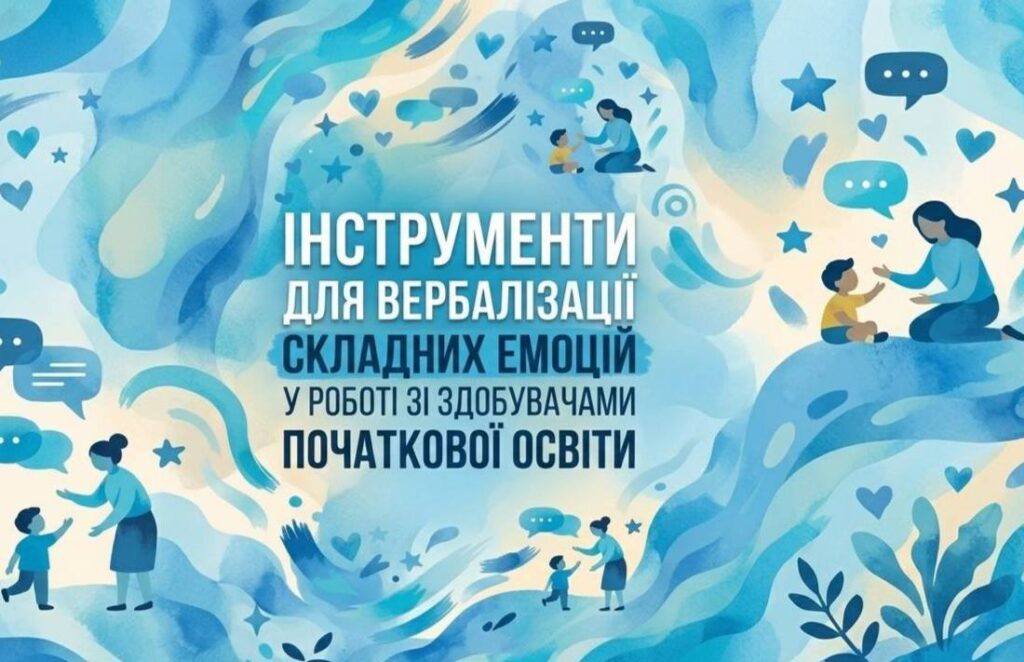
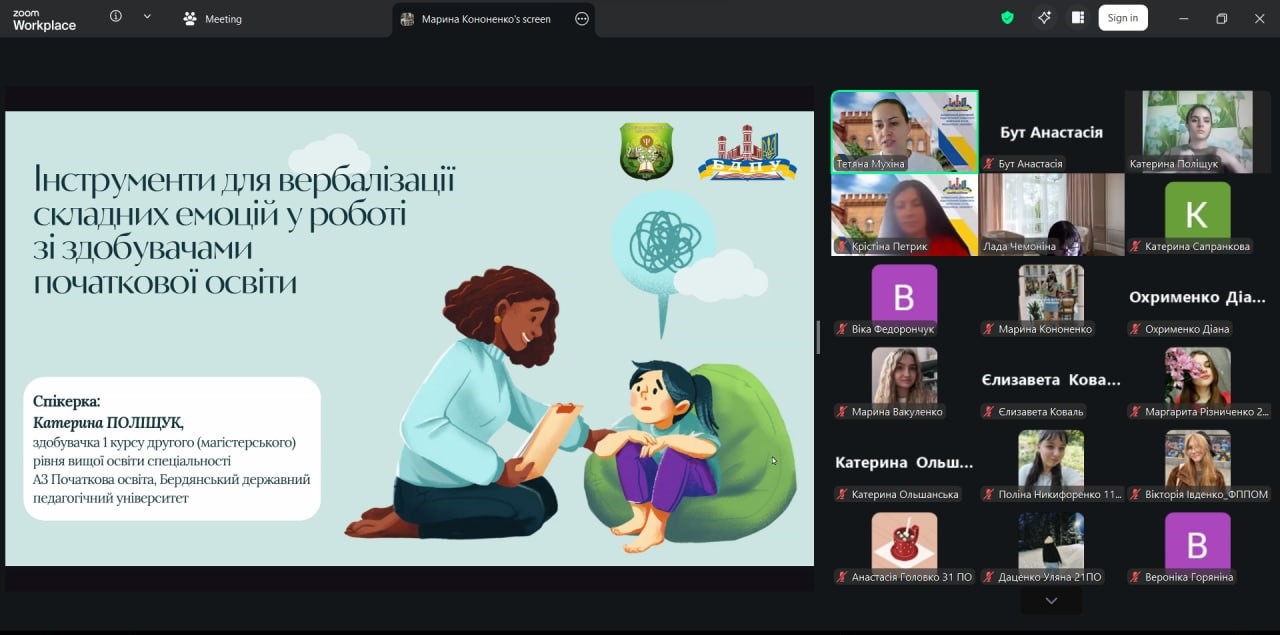
Modern psychology and neuropedagogy are unanimous: the ability to name one’s own emotions is not an innate trait, but a skill that can and must be developed. It was around this idea that the workshop «Tools for Verbalizing Complex Emotions in Working with Primary Education Students» was built, organized by the Young Scientists Council of the Faculty of Psychological-Pedagogical Education and Arts of BSPU. The speaker was Kateryna Polishchuk, a member of the YSC FPPEA, a second (master’s) level student majoring in Primary Education.
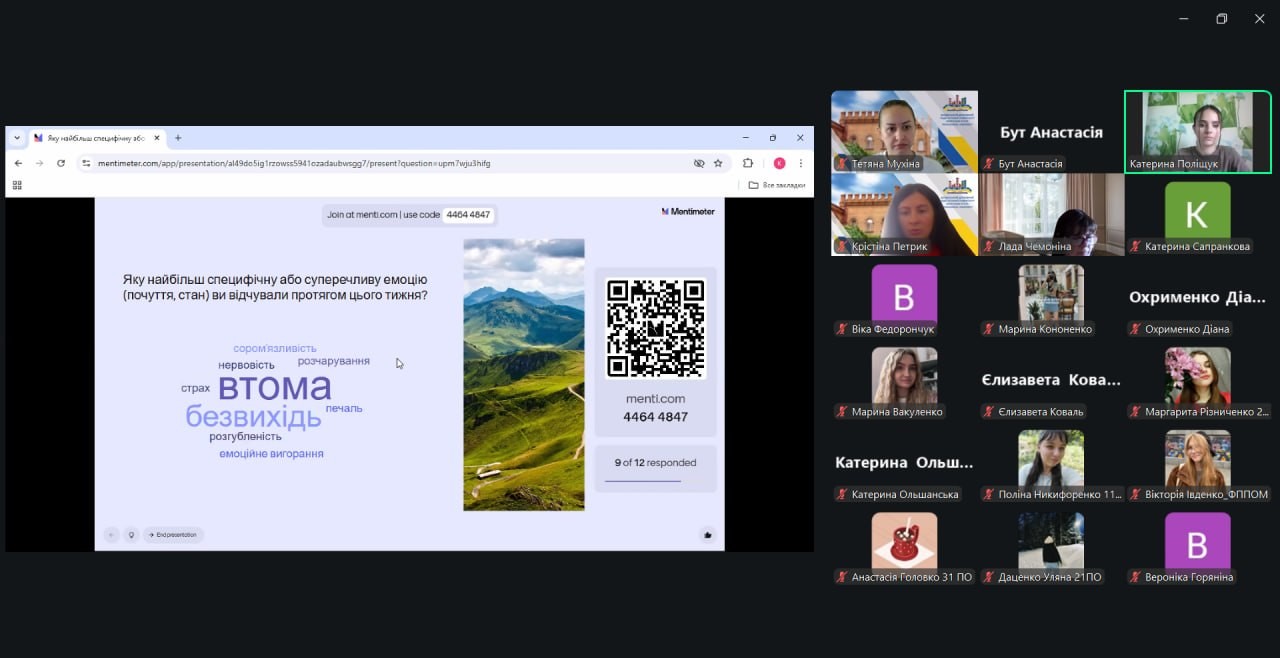
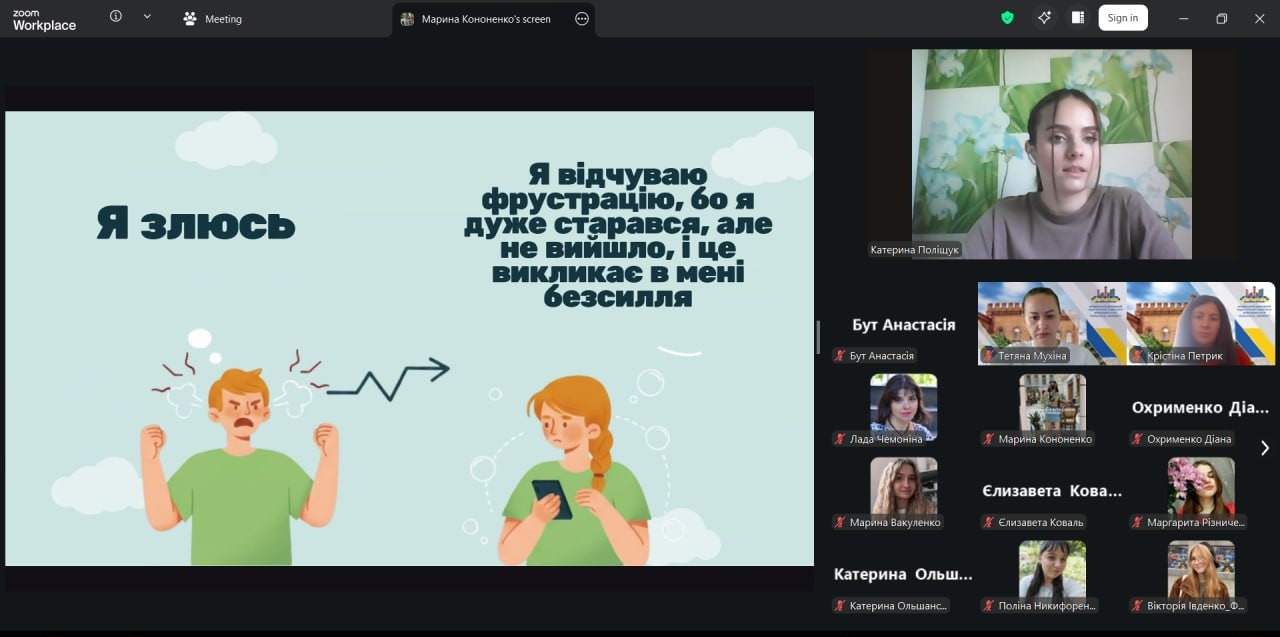
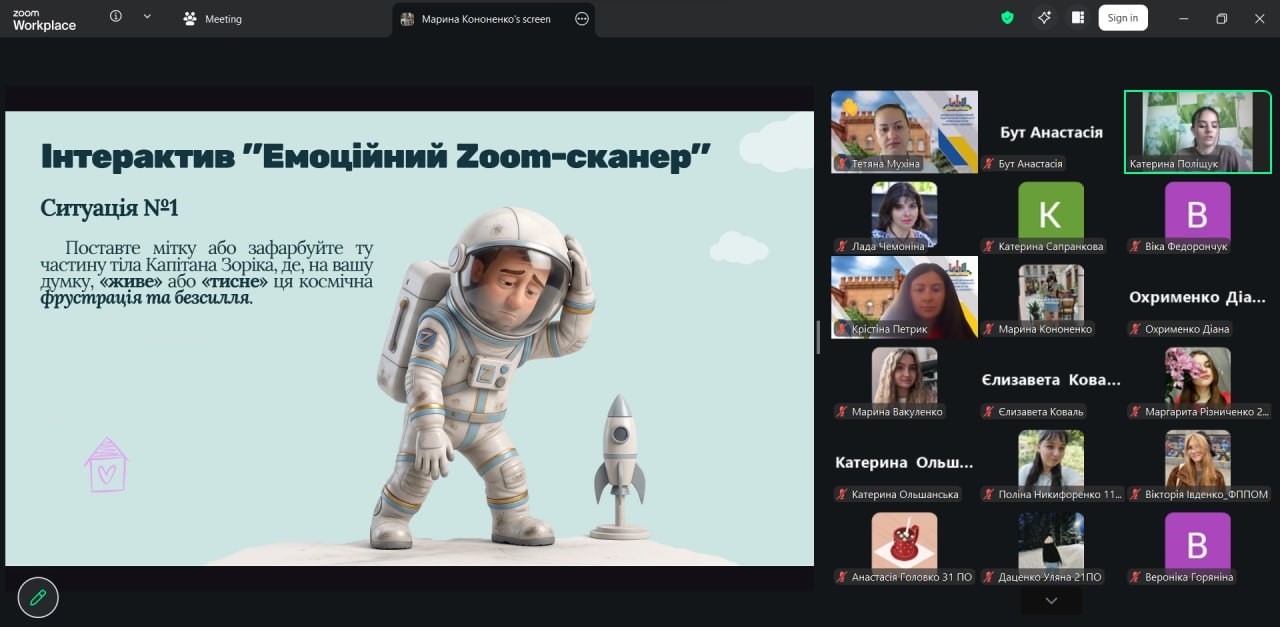
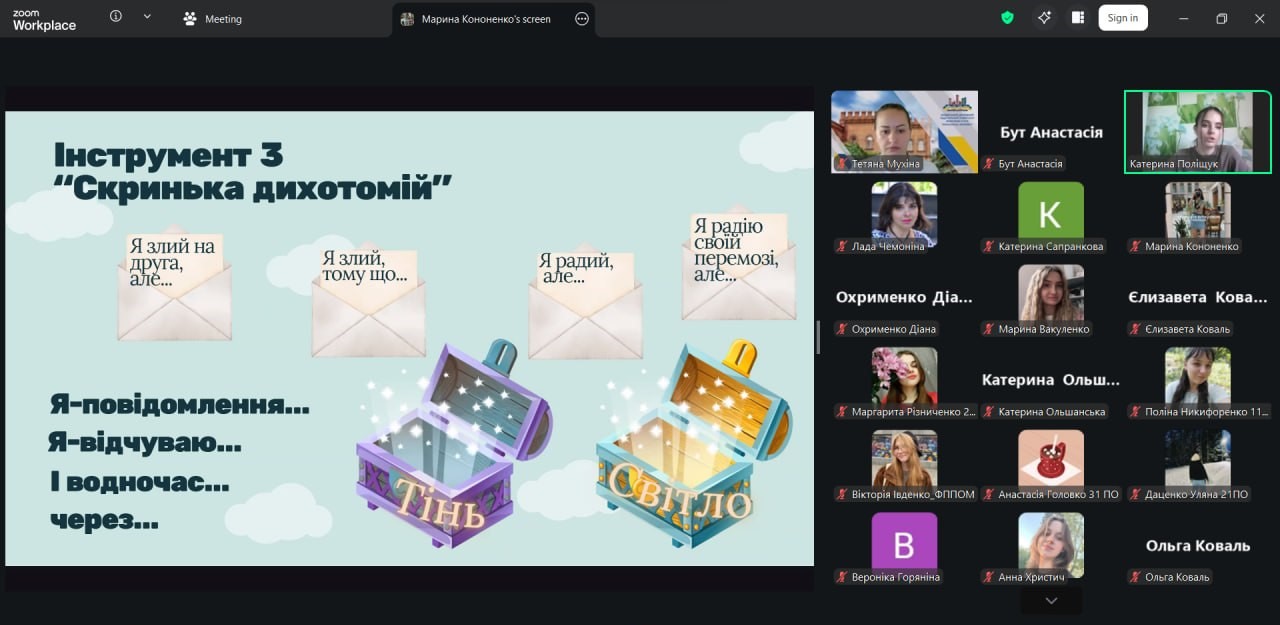
During the session, attendees deepened their understanding of a key premise: the behavioral reactions of younger schoolchildren are most often simply a consequence of the absence of an emotional vocabulary. Through interactive exercises, practical techniques, and group discussion, they learned to recognize complex emotions, differentiate their nuances, and help pupils find precise words for their inner states.
Particular interest was sparked by the work with bodily markers of emotions: participants explored where frustration «lives» in the body and where shame «burns» – and discovered that the body knows the answer even when words are not yet available.
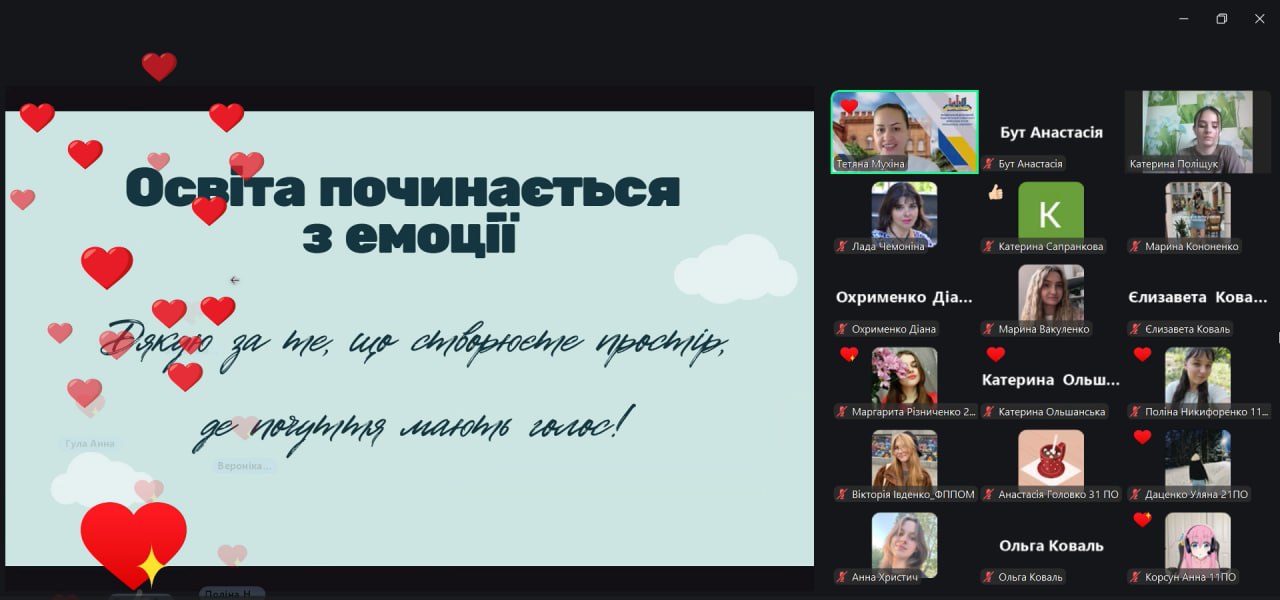
The event concluded with a shared insight: the ability to help a younger student name their emotional state is not an addition to pedagogical excellence, but its very heart. Verbalization is control – when a pupil can express an emotion in words, tension decreases and awareness grows. And it is the attentive, emotionally literate adult nearby who remains the most powerful tool in this work.
Based on materials from the Young Scientists Council of FPPEA BSPU

Yuliia Skyba at the 2nd International Dance Festival “MZ FEST” of the Maria Zankovetska Theatre
The Second International Dance Festival “MZ FEST” was held at…
22 September 2026

Perform Ukraine 2026: A Space for Professional Dialogue, New Ideas and Partnerships
On September 16–17, Associate Professor and Head of the Department…
22 September 2026
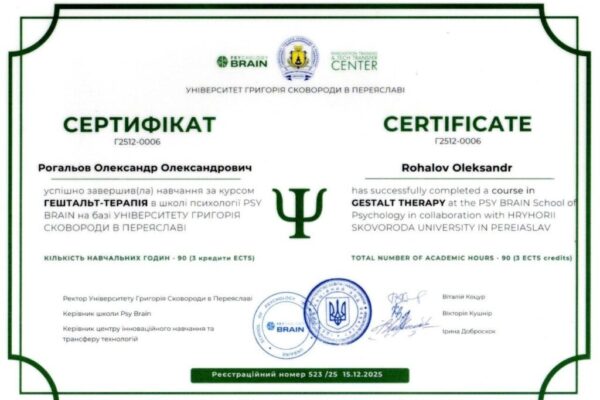
Informal Education for Master’s Students in Psychology: Expanding the Horizons of Professional Training
The modern model of professional training for psychologists views non-formal…
22 September 2026
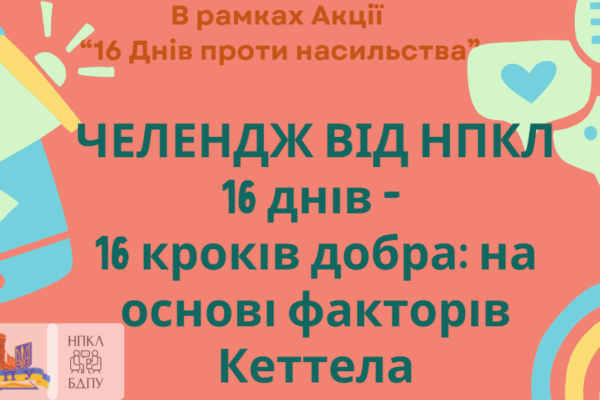
Psychological safety in action: 16 days of building a culture of nonviolent communication
The Educational Psychological Counseling Laboratory has successfully implemented a large-scale…
21 September 2026