Master’s Practicum as an Experience that Reinterprets the Profession
Admin
25 April 2026
In today’s context, Ukraine is undergoing not only infrastructural recovery – a much deeper process is taking place: the restoration of human lives, relationships, and meanings. In this process, social work is becoming one of the key professions that combines support, empathy, and professional action.
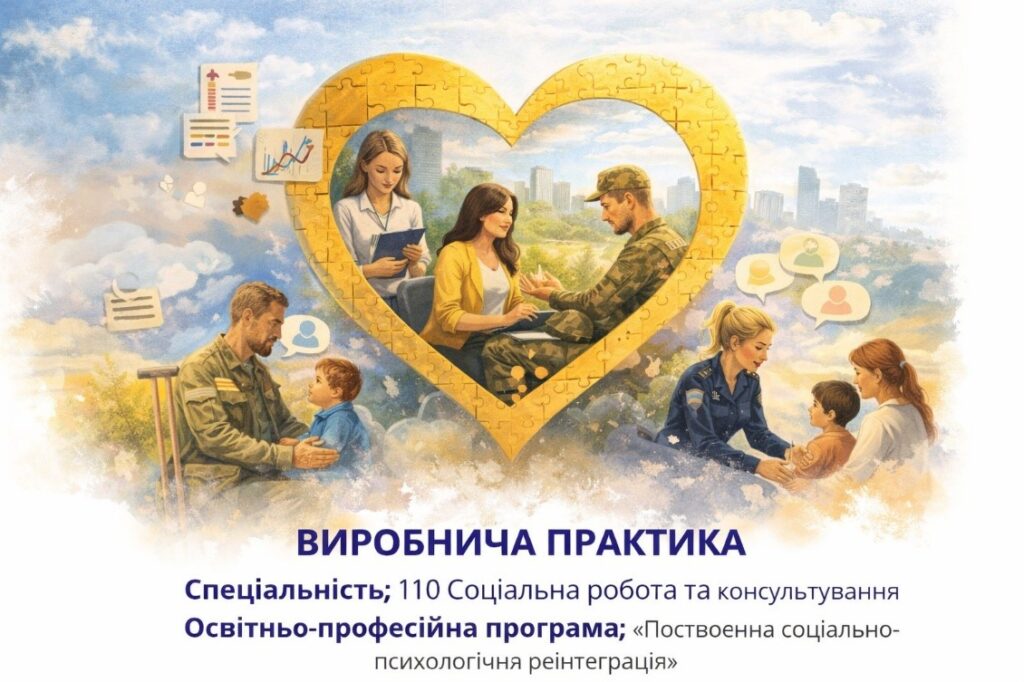
It is precisely such specialists who are trained within the educational-professional program “Post-war Socio-Psychological Reintegration.” If the classroom provides knowledge, then the practicum becomes the environment where this knowledge is tested by reality.
This year’s practicum of part-time master’s students in specialty I10 “Social Work and Counseling” once again demonstrated that a modern student is not merely a learner, but an adult, often already professionally formed individual who enters a new field to expand their capacity to help others.
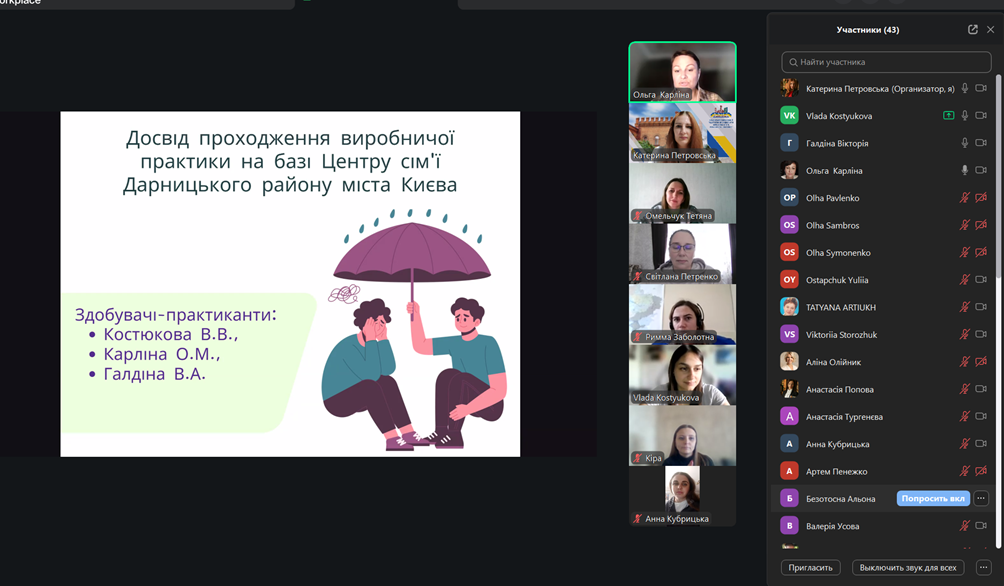
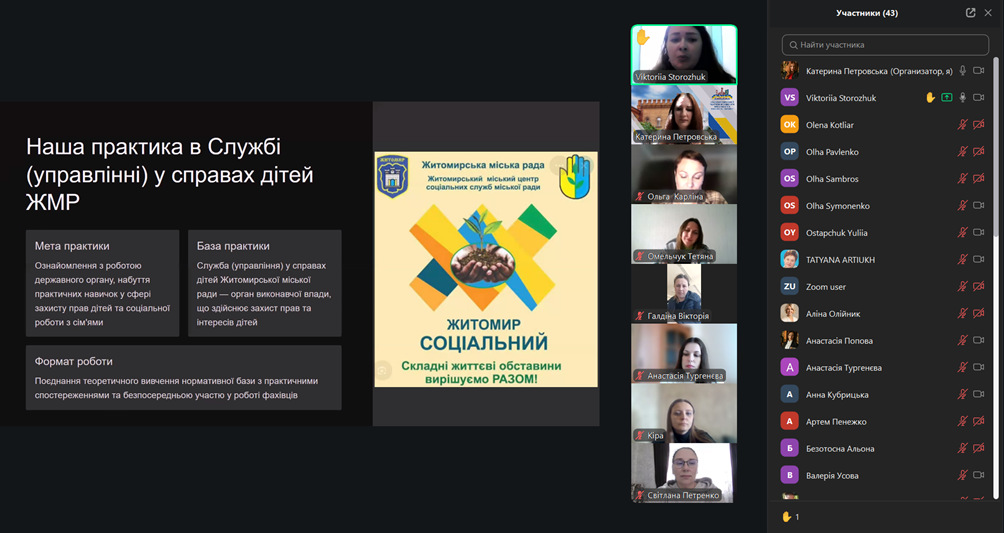
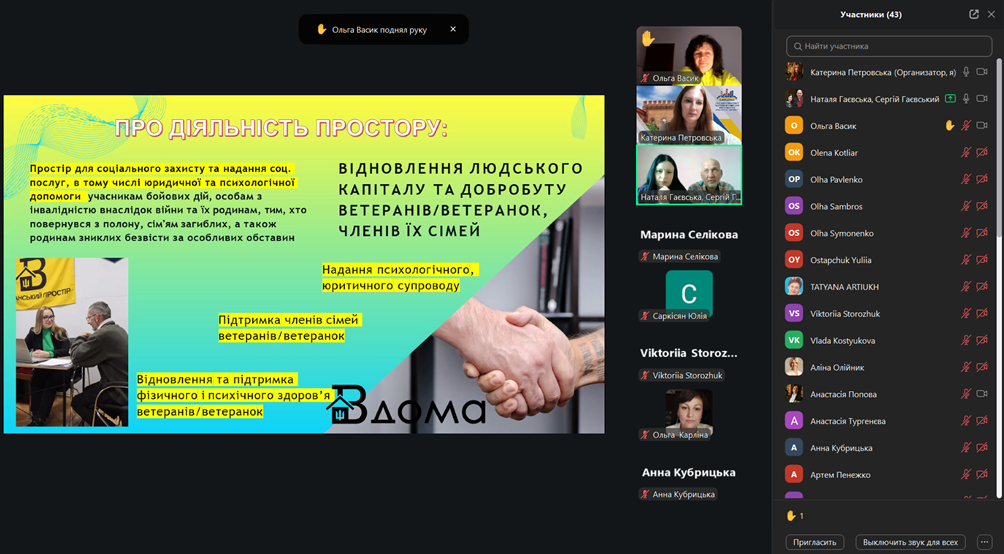
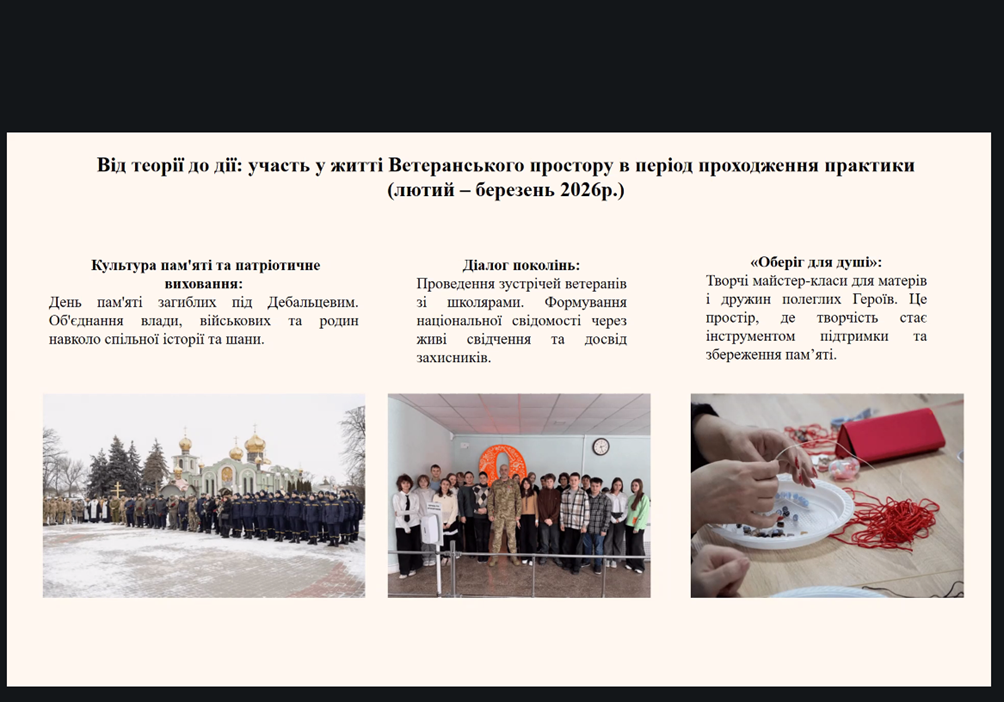
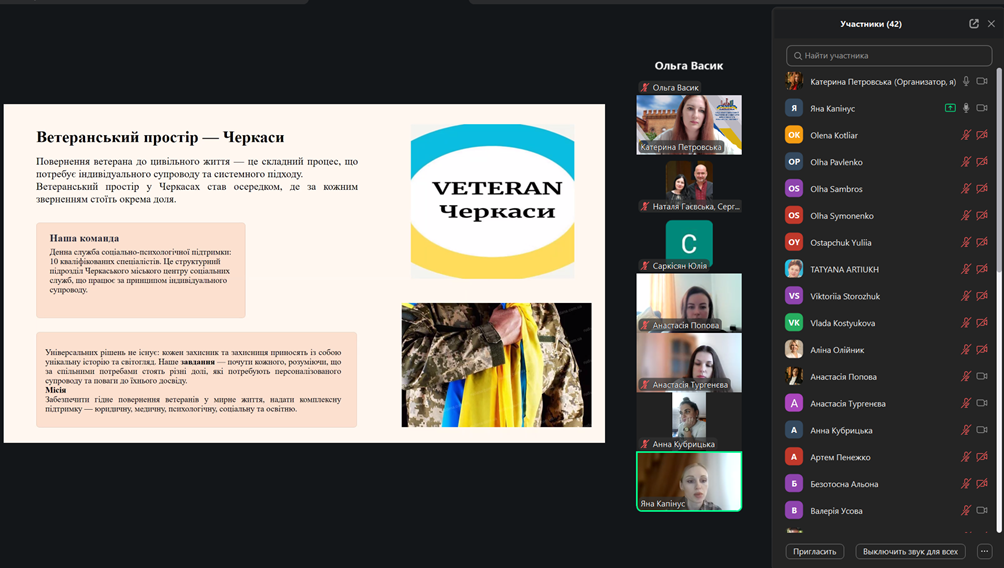
The geography of this year’s practicum covered various regions of Ukraine and a wide range of institutions: from social service centers and rehabilitation facilities to police units, veteran spaces, and non-governmental organizations. However, the most important aspect is not the location itself, but the experience students gain – the experience of encountering real human stories.
One of the master’s students, beginning her practicum in a department of veterans’ policy, entered it with a clear professional objective – to test methods for her master’s research. However, as she herself admits, reality turned out to be much deeper:
“I expected to meet ‘clients,’ but I met lives that required not only professional algorithms, but also deep human presence.”
This experience became a point of inner transformation for her – a shift from the role of an instructor to the role of a practitioner who not only applies knowledge but also shares pain and helps restore resources.
According to the students, work with children who had experienced loss or were forced to leave their homes was particularly emotionally intense. Here, the logic of interaction itself changes: “I realized that in the eyes of a child who has witnessed shelling, I must not be a ‘methodologist,’ but a guide to a safe space.”
Through creativity, play, and shared activities, trust is formed – and with it, the possibility to speak about traumatic experiences. A symbolic moment for one practicum student was an interaction between children and military personnel: “To see a child who lost a father confidently take a soldier’s hand – this is social work in its deepest sense. It is the restoration of connections.”
No less challenging was the experience of working with veterans and their families. Here, social work confronts issues of identity, dignity, and acceptance of a new reality: “I encountered the phenomenon of a lost identity. My task was not to pity, but to be a partner in rebuilding a new life.”
Such experience shapes a new understanding of the profession: a social worker is not only a service provider, but a co-participant in the process of recovery.
The practicum became a moment of professional rethinking for students. They spoke about the importance of empathy, teamwork, the ability to respond quickly in crisis conditions, and at the same time maintain humanity.
Analysis of practicum reports shows that master’s students demonstrate a high level of reflection, readiness to work with different categories of clients, and the ability to integrate theoretical knowledge with practical action. Importantly, many of them are already integrating practicum results into their own research, testing the effectiveness of approaches in real-life cases.
The practicum becomes not just a part of the educational process – it transforms into a space for the formation of professional identity. It is here that the understanding emerges: social work in the post-war period is about restoring not only people, but also meanings.
As one student notes: “A social worker today is an architect of the human soul, helping to build a new life from fragments.”
And perhaps this idea most accurately captures the essence of what happens during the practicum. Our master’s students are already part of the country’s great recovery process. They work where it hurts, where it is difficult, where support is needed. And it is through this daily work that the future is being shaped – more resilient, more humane, more conscious.
Social work is not just a profession. It is a choice to be present. And this choice has already been made by our students. Each practicum is not only a page in an academic curriculum, but also a chapter in the larger story of building a new Ukraine – a story already being written by our students, those who do not wait for change but become it.
There are still many challenges ahead, but we are confident: in the hands of such professionals, the future of our country will be humane, strong, and just.
We believe that each of our students has a mission. And each of them is already ready to fulfill it. Because social work is not just a profession – it is a calling of the heart. It is about Humanity.
While the Armed Forces of Ukraine fight for freedom on the front line, our students fight for it in the rear – helping to heal souls, support families, and restore communities. Together – toward Victory. And further – toward a restored, strong Ukraine.
Physical Education in the New Ukrainian School (NUS): BSPU Faculty and Students Join the Dialogue on the Future of Specialized Senior Secondary Education
On October 22, 2026, faculty members from the Department of…
23 October 2026
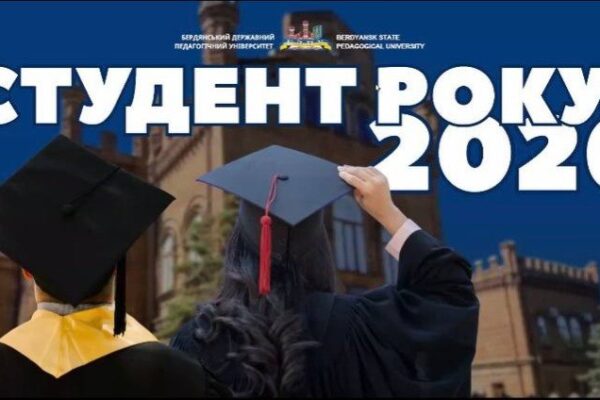
Student of the Year 2026: BSPU Honors Student Leaders and Activists
On October 20, 2026, the "Student of the Year 2026"…
21 October 2026
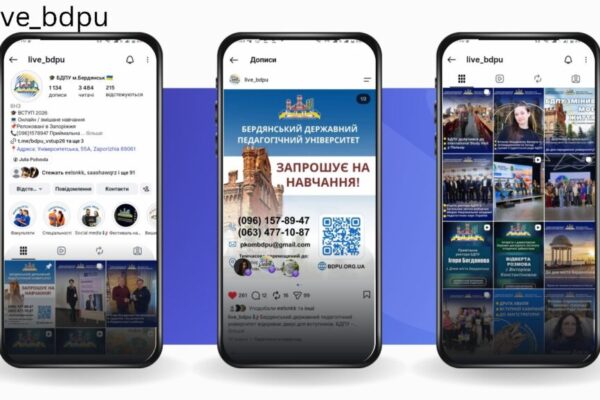
“Student Navigator”: How to Navigate the University’s Digital Space
On October 16, the Student Council of Berdyansk State Pedagogical…
21 October 2026
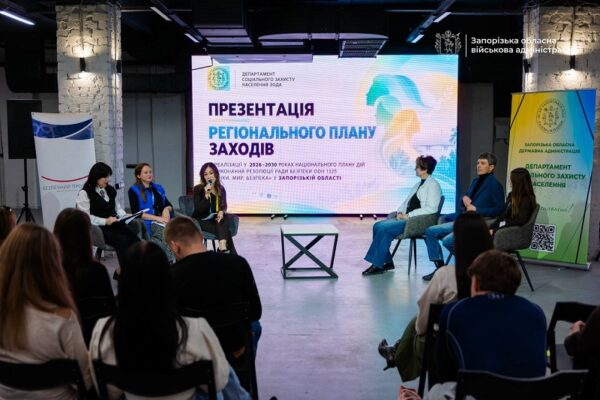
The Voice of Youth Matters: BDPU Student Council Joins Discussion of the “Women, Peace and Security” Action Plan
On October 15, a presentation of the regional “Women, Peace…
21 October 2026