
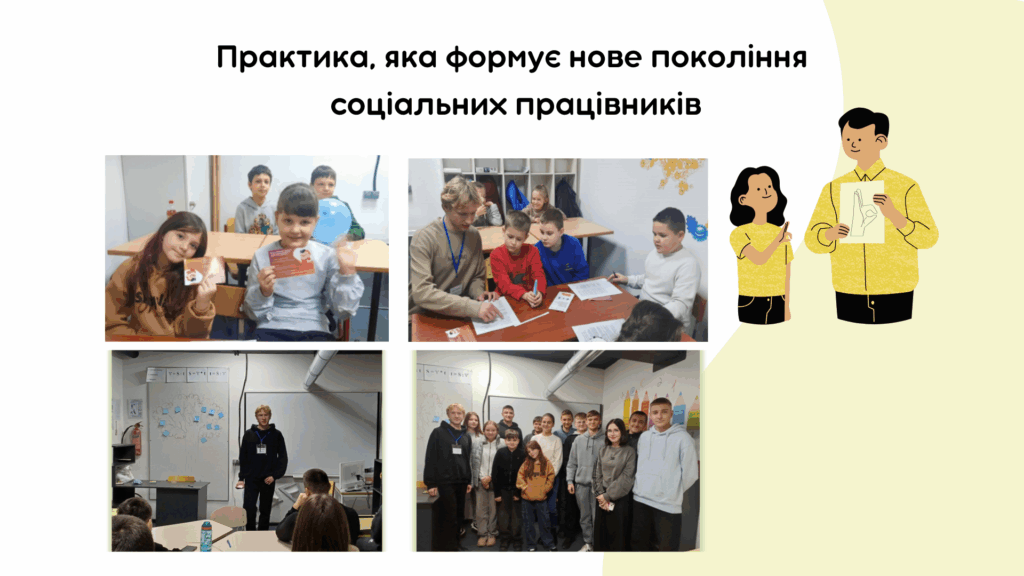
Practice that shapes a new generation of social workers
Admin
6 May 2026
Socio-pedagogical practice at the final stage of bachelor’s training opens new horizons for professional development. This stage has become an essential component of the professional formation of students from group 403SR, majoring in Social Work (specialty 231), as it enabled them to combine theoretical knowledge with the real challenges of socio-pedagogical practice.
The aim of the placement was not only to consolidate knowledge of the functions and content of a social pedagogue’s work, but also to develop a holistic understanding of the profession through direct experience. Students focused on key areas such as social diagnostics and analysis, preventive and educational work, the creation of a safe and supportive socio-psychological environment, and support for children from vulnerable groups. Particular attention was given to participation in pedagogical case conferences, the development of informational and educational materials, and the implementation of modern approaches to social work within general secondary education institutions.
Contemporary challenges, shaped by the security situation in the country, determined the specific organisation of the practice. The educational process adopted a flexible format, combining дистанційне and online interaction. Familiarisation with placement sites, consultations, implementation of programme activities, and work with professional documentation integrated real work in educational institutions with the use of digital tools and open educational resources. This format ensured the continuity of practical training while also contributing to the development of digital competence among future social workers.
The final conference became not only a platform for reporting but also for professional reflection. Students analysed the outcomes of their activities, reflected on the specifics of a social pedagogue’s work in the context of social transformations and wartime challenges, and identified problematic aspects in the functioning of modern educational institutions. The discussion took place in a virtual format, fostering critical thinking, communication skills, and the ability to engage in reasoned dialogue.
An important outcome of the practice was the development of both professional (hard skills) and transferable (soft skills) competences, including the ability for empathetic interaction, teamwork, adaptability, and decision-making in complex conditions. Participants also gained a deeper understanding of their professional identity and responsibility for their future work in the social sphere.
We sincerely thank the practice supervisors and specialists of psychological services in educational institutions for their mentorship, support, and openness to collaboration. Thanks to their professionalism, students gained valuable experience that will serve as a solid foundation for their future careers.
The university community continues to be a space for growth, support, and opportunities for future social work professionals.
We learn and act for Ukraine!
Based on materials from the Department of Social Work and Inclusive Education
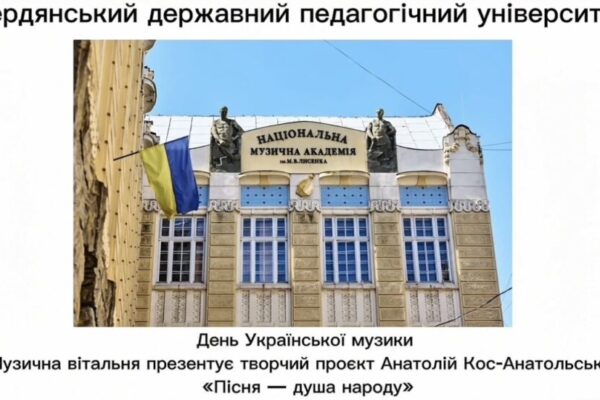
The Department of Theory and Methods of Teaching Artistic Disciplines of the BSPU presents a creative project Anatoliy Kos-Anatolskyi «Song is the Soul of the People»
Anatoliy Kos-Anatolskyi (1909-1983) - an outstanding composer and teacher, pianist,…
23 September 2026
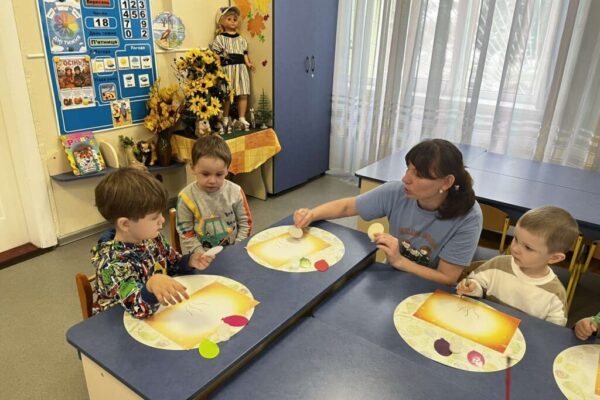
Future educators gain their first teaching experience
On the eve of Preschool Education Day, students from group…
23 September 2026

Yuliia Skyba at the 2nd International Dance Festival “MZ FEST” of the Maria Zankovetska Theatre
The Second International Dance Festival “MZ FEST” was held at…
22 September 2026

Perform Ukraine 2026: A Space for Professional Dialogue, New Ideas and Partnerships
On September 16–17, Associate Professor and Head of the Department…
22 September 2026